

Letterboxd, the beloved social network for film fans, is reportedly up for sale, and the prospect of a Netflix or Sony acquisition has sparked fears that the last pre-algorithm oasis for cinephiles could disappear. The app has become a vital part of many movie lovers' routines, offering a simple way to log films, share reviews, and discover new titles through a community of like-minded enthusiasts.
But the anxiety isn't just about the app shutting down. It's about the possibility that Letterboxd as we know it—a user-driven, ad-free (mostly) space where the joy of cinema reigns supreme—could be fundamentally altered by corporate interests.
Find Original, High-end Home Decor that spark conversation at Grand Goldman Shop.
Why Letterboxd Is More Than Just a Movie Log
At its core, Letterboxd lets you track what you've watched and what you want to watch, but it has evolved into something far richer. It's a social hub where you can follow friends and critics, see their ratings and reviews, and engage in conversations about films big and small.
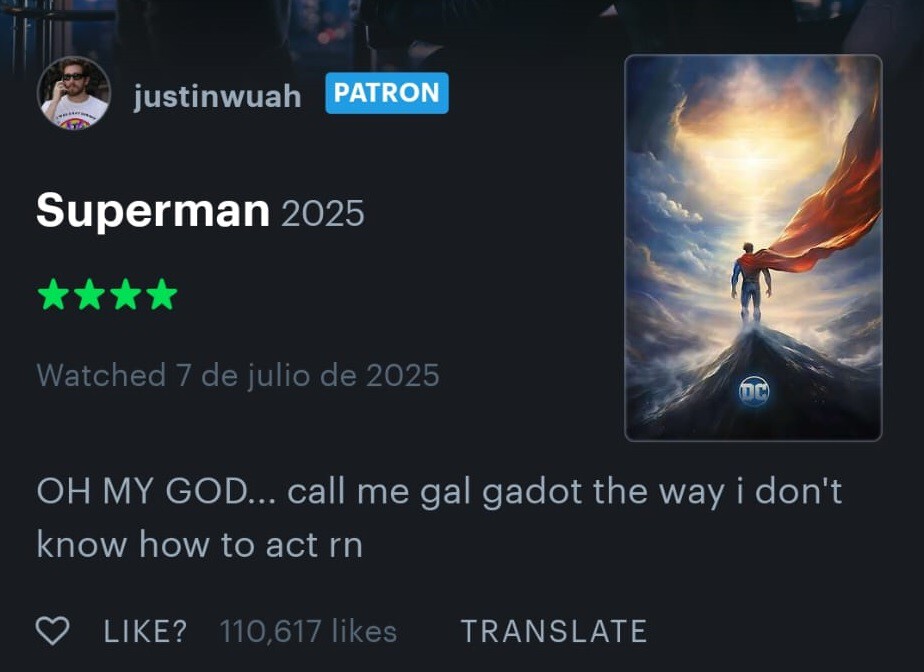
What sets Letterboxd apart is its emphasis on the personal and the playful. Instead of professional critiques, the platform thrives on witty one-liners, meme-worthy observations, and heartfelt takes from everyday moviegoers. It's a place where watching a film becomes a shared experience, not just a solitary activity.
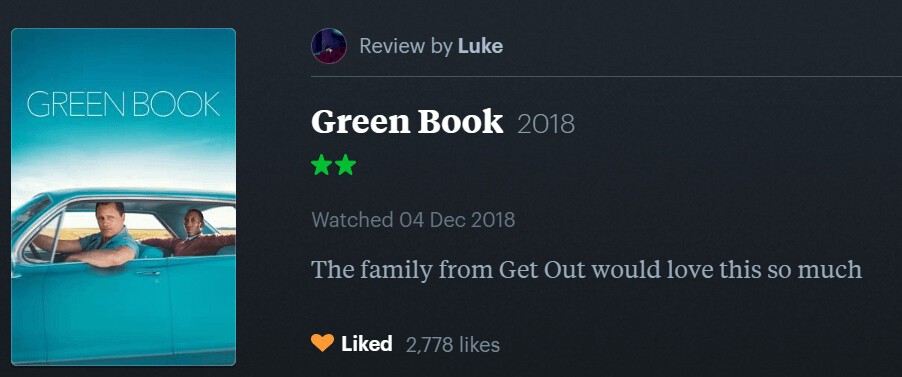
The Social Magic of Letterboxd
Unlike traditional review sites, Letterboxd doesn't just aggregate scores; it fosters a sense of community. You can see which of your friends have seen a new release, what they thought, and how their tastes align with yours. This social layer turns film discovery into a conversation, making every viewing feel like part of a larger dialogue.
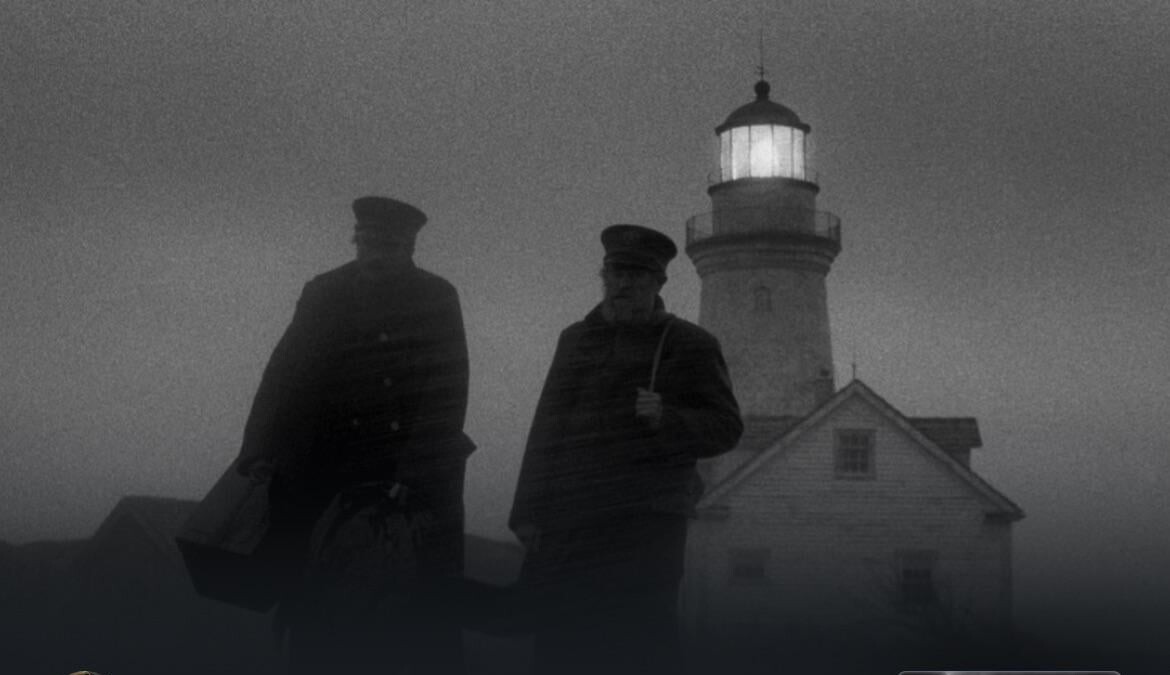
That's why the sale is so concerning. If a giant like Netflix or Sony takes over, the platform's unique character could be compromised by algorithms designed to maximize engagement or promote corporate content.
The Threat of Algorithmic Takeover
Netflix and Sony are both giants with their own agendas. Netflix is a streaming service that relies on algorithms to recommend content and keep viewers hooked. Sony is a media conglomerate with a vast library of films and TV shows. Either could see Letterboxd as a valuable data source or a promotional tool.
But integrating Letterboxd into a corporate ecosystem risks turning it into just another algorithmic feed. Instead of seeing what your friends think, you might be served recommendations based on what the parent company wants you to watch. The community-driven discovery that makes Letterboxd special could be replaced by a top-down, profit-driven model.
What Users Fear Most
The backlash from the Letterboxd community has been swift and vocal. Users worry about data privacy, increased advertising, and the loss of the platform's indie spirit. Many have taken to social media to express their concerns, using hashtags like #SaveLetterboxd and sharing stories of how the app has enriched their movie-watching lives.
These fears are not unfounded. History shows that when big corporations acquire beloved platforms, the user experience often suffers. Features get paywalled, ads proliferate, and the original vision gets diluted.
What Makes Letterboxd a Pre-Algorithm Oasis
In an internet dominated by algorithms, Letterboxd stands out as a rare space where human curation and personal connection drive discovery. There's no mysterious algorithm deciding what you see; instead, you choose who to follow and whose opinions to trust.
This human-centric approach has created a loyal and engaged community. Film fans appreciate the authenticity and the lack of corporate interference. They can express their love for obscure films, share hot takes, and engage in friendly debates without feeling like they're being marketed to.
If Letterboxd loses this quality, it won't just be another app changing hands—it will be the loss of a refuge for genuine cinephilia. The longer history behind the story is traced in Letterboxd Sale: Netflix or Sony Could Ruin a Pre-Algorithm Oasis.
Key Takeaways for Film Fans
- Letterboxd's unique value lies in its community-driven, non-algorithmic approach to film discovery and discussion.
- A sale to Netflix or Sony could lead to increased commercialization, data exploitation, and algorithmic feeds.
- User backlash highlights the deep emotional connection fans have to the platform and their fear of losing it.
- Alternatives may emerge, but none may replicate Letterboxd's specific blend of social features and cinephile culture.
- Vigilance is key: users should stay informed about the sale process and advocate for preserving the platform's integrity.
Comparing Potential Buyers: Netflix vs. Sony
| Buyer | Motivation | Potential Impact on Letterboxd |
|---|---|---|
| Netflix | Data on viewing habits, promotional synergy, user engagement | High risk of algorithm integration, ads, and focus on Netflix content |
| Sony | Access to film enthusiasts, cross-promotion of Sony properties | Moderate risk of corporate influence, possible paywalls or exclusive content |
| Independent Buyer | Preservation of community and culture | Lower risk, but uncertain financial sustainability |
While Netflix seems like the more disruptive buyer, Sony's ownership could also lead to subtle changes that erode the platform's independence. An independent buyer might be ideal, but finding one with the resources to sustain Letterboxd is challenging. The background to this story is set out in 10 Best Landscape Lenses for Sony (Reviews). A related thread runs through 10 Best Sony Compact Optical Zoom Cameras (Reviews). Earlier coverage in Pop Mart, Sony Partner on Labubu Movie After Viral Boom shows how the argument developed.
What to Watch Next
As the sale process unfolds, users should keep an eye on official announcements from Letterboxd and potential buyers. Community pushback can make a difference, as seen in past acquisitions where user sentiment influenced decisions. A closer look at the same subject appears in Netflix Announces Third Inbetweeners Film with Original Cast. Anyone following the wider picture can start with Celebrity: latest articles. The same theme surfaces in Jesse Eisenberg's 10 Best Film Performances Ranked, which takes a different angle.
For now, the best course of action is to continue enjoying Letterboxd as it is, support its independent features, and hope that whoever buys it recognizes the value of keeping it a pre-algorithm haven for movie lovers. Context on how this played out before sits in Australia's Social Media Algorithm Crackdown Faces Opposition. A companion piece, Algorithm-Picked Friends: The Rise of Paid Social Apps, approaches the same subject from another angle.
FAQ
Why is Letterboxd so popular among film fans?
Letterboxd combines movie logging with social networking, allowing users to share reviews, ratings, and lists in a community-driven environment. Its emphasis on user-generated content and lack of algorithmic interference makes it a refreshing alternative to mainstream platforms.
What could change if Netflix buys Letterboxd?
Netflix might integrate its recommendation algorithms, push its own content, and introduce ads or subscription tiers. This could undermine the organic, user-led discovery that Letterboxd is known for.
Is there a way to protect Letterboxd from corporate influence?
Users can voice their concerns publicly, support alternative platforms, and advocate for a buyer who values community over profit. However, the final decision rests with Letterboxd's current owners.
What alternatives to Letterboxd exist if it changes?
While no direct competitor matches Letterboxd's features, some users might turn to general social media or niche forums. However, replicating its unique blend of social discovery and cinephile culture would be difficult.
Browse the Shop
 Acacia frida deluxe solid wood bed frame |
Bedroom bench |
Bed chest drawers |
Lingerie dresser |
Frame base |
Mirror with jewelry storage |
30 Bathroom Vanity |
Memory foam queen mattress |
Mattresses for back pain |
Nightstand set of 2 |
Grand Goldman Shop |
Civil Lawyer
Deutschland Trikot WM 2026










