

In 1931, the last inhabitants of a remote sheep farm on Campbell Island walked away, leaving behind roughly 4,000 sheep. For the next four decades, these animals survived without shepherds, shearing, or artificial selection on a wind-battered subantarctic island. When humans returned in the 1970s, they found a population with unique traits—and a serious problem: the sheep were destroying the island's fragile ecosystem, and a cull became necessary.
A Farm at the Edge of the World
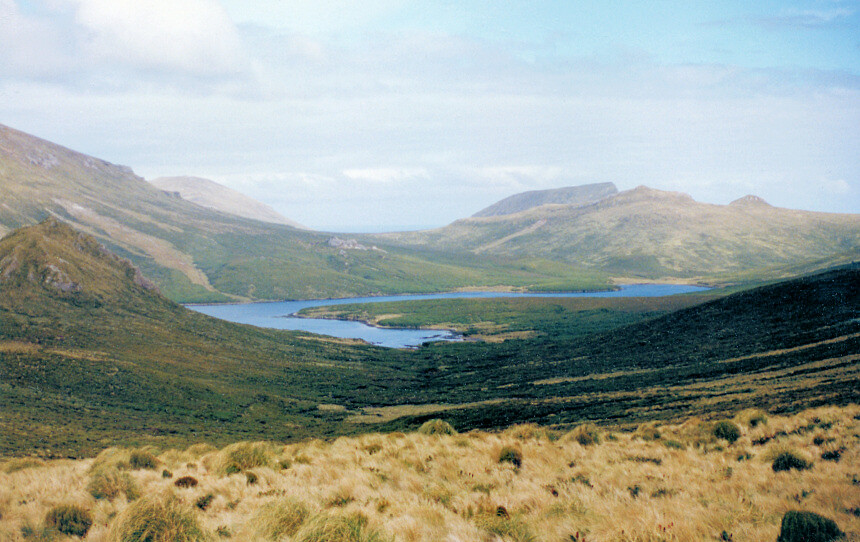
Campbell Island sits in the Southern Ocean, over 600 kilometers south of mainland New Zealand. It was never an easy place to run a farm. The first 400 sheep arrived in 1895, and thousands more were introduced later, bred from Merino, Lincoln, and Leicester crosses.
Find Original, High-end Home Decor that spark conversation at Grand Goldman Shop.
Wind, humidity, peat soils, and irregular shipping made daily operations a struggle. Finding workers willing to endure such isolation was equally difficult.
The Humans Leave—But the Sheep Stay
The last attempt to keep the business alive was led by John Warren, who introduced another 5,000 sheep in 1927. A subsequent collapse in meat and wool prices, combined with severe supply problems, made the operation unviable.
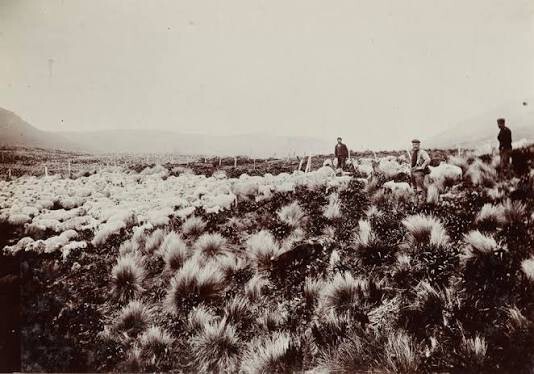
By 1931, the farm was abandoned. The sheep were left to fend for themselves, and for 40 years they did exactly that—surviving without human intervention.
Uncontrolled Evolution in Isolation
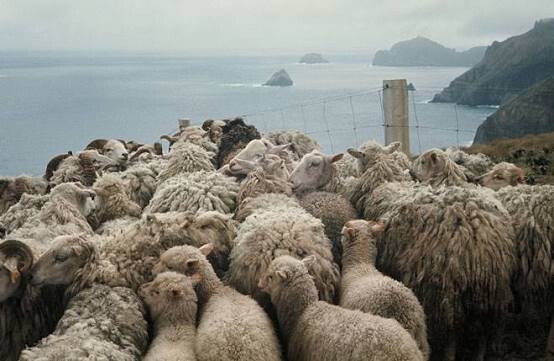
Without shearing, the sheep's wool grew unchecked, and natural selection favored those best adapted to the harsh conditions. Over time, the population developed distinctive characteristics—smaller size, shorter fleece, and other traits shaped by the island's unforgiving environment.
This was evolution in action: a classic example of feral animals adapting to a new niche, free from human management.
When Humans Returned: A Double Discovery
In the 1970s, scientists and conservationists returned to Campbell Island. They found a sheep population unlike any other—but also an ecological crisis. The sheep had been grazing heavily on the island's unique flora, preventing forest regeneration and threatening endemic species. Context on how this played out before sits in Campbell Island Sheep: 4,000 Abandoned Sheep and Their Uncontrolled Evolution.
The island's vegetation, adapted to life without large herbivores, was being stripped bare. The sheep had to go. The background to this story is set out in Energy Utilities: latest articles. A related thread runs through Invasive Pheasants Now Dominate Argentina's Victoria Island Forests.
The Cull and Its Aftermath
Eradication efforts began in the 1970s and continued for years. By the 1980s, the sheep were gone from Campbell Island. The island was later declared a nature reserve, and the ecosystem began to recover. Earlier coverage in Invasive Giant Resin Bee Spreads in Europe via Ornamental Trees shows how the argument developed. A closer look at the same subject appears in Invasive Mouflon Sheep in Teide National Park: A Growing Ecological Crisis.
The story of Campbell Island's sheep is a cautionary tale about the unintended consequences of human enterprise in fragile environments—and the difficult choices that follow. Anyone following the wider picture can start with Australia's Fox Plan to Save Threatened Wildlife. The same theme surfaces in Rosemary Beetle Invasion Threatens Garden Herbs and Elderly Gardeners, which takes a different angle.
Key Takeaways
- 4,000 sheep were abandoned on Campbell Island in 1931 after the farm failed.
- For 40 years, the sheep evolved in isolation, developing unique traits.
- Their grazing devastated the island's native vegetation and wildlife habitat.
- A cull was necessary to protect the subantarctic ecosystem.
- The island is now a reserve, and the sheep are gone—but the lessons remain.
Comparing the Sheep: Then and Now
| Aspect | Original Farm Sheep (pre-1931) | Feral Sheep (1970s) |
|---|---|---|
| Size | Medium to large | Smaller, more compact |
| Wool | Long, managed through shearing | Shorter, less dense |
| Behavior | Dependent on humans | Highly self-reliant |
| Population | ~4,000 | ~1,000 (estimated) |
FAQ
Why were the sheep abandoned on Campbell Island?
The farm became unprofitable due to falling meat and wool prices and severe logistical challenges, leading to its closure in 1931. The sheep were left behind.
How did the sheep survive for 40 years?
They adapted to the harsh environment, feeding on the island's vegetation and evolving traits that helped them endure the cold, wind, and lack of shelter.
Why did they have to be eliminated?
The sheep were overgrazing and destroying the island's unique flora, threatening endemic species. Eradication was necessary to restore the ecosystem.
What happened to Campbell Island after the cull?
The island was declared a nature reserve, and the vegetation has since recovered. It is now a protected area for subantarctic wildlife.
Browse the Shop
 Acacia frida deluxe solid wood bed frame |
Bedroom bench |
Bed chest drawers |
Lingerie dresser |
Frame base |
Mirror with jewelry storage |
30 Bathroom Vanity |
Memory foam queen mattress |
Mattresses for back pain |
Nightstand set of 2 |
Grand Goldman Shop |
Civil Lawyer
Deutschland Trikot WM 2026










