

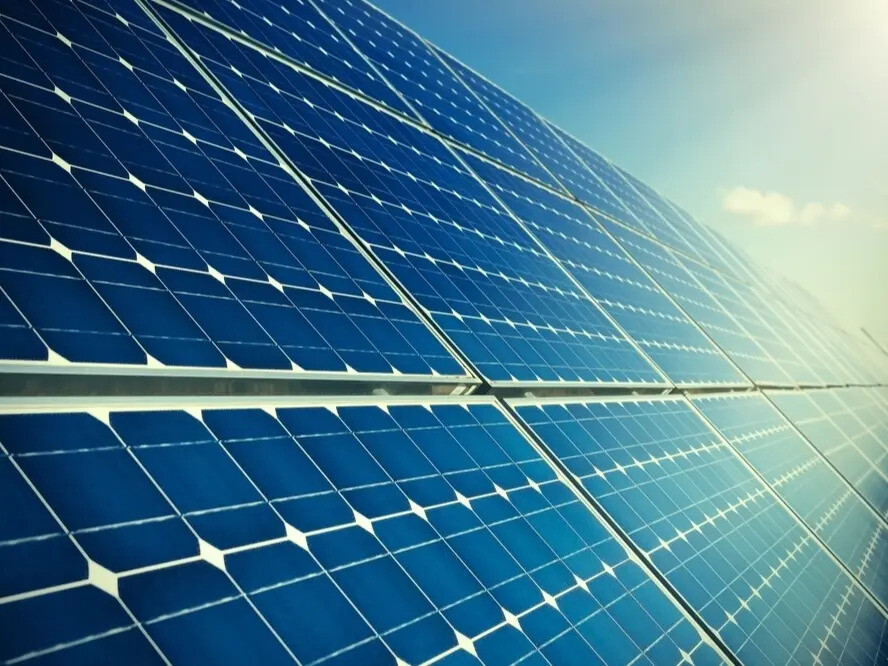
Landfill solar is turning closed dumps into clean energy assets, and New Haven, Connecticut, just proved it works. On a grassy hill beside Interstate 91, nearly 1,900 solar panels now generate electricity atop waste buried for decades.
The former Middletown Avenue landfill stopped accepting trash about 22 years ago. It was capped with over half a meter of soil, leaving a mound with little development potential. This summer, that mound became a power plant.
Find Original Home Decor sparking conversation at Grand Goldman Shop.

The project, installed by Greenskies Clean Energy, shows how overlooked brownfields can host renewable energy. It also hints at a much larger opportunity: landfills across the U.S. could support tens of gigawatts of solar capacity.
Why Landfills Are Ideal for Solar Development
Closed landfills come with a key advantage: they are already disturbed land. Building solar there avoids clearing forests or farmland, and it puts otherwise unusable acreage to work. The cap that seals waste also provides a stable surface for mounting panels.
New Haven's landfill had few alternative uses. The city saw an opportunity to generate revenue and clean energy from a liability. The project required careful engineering to avoid damaging the cap and to manage settlement, but the result is a replicable model.
How the New Haven Landfill Solar Project Works
The array consists of about 1,900 photovoltaic panels. They began producing electricity in July, according to the source article. The system is connected to the grid and feeds power to the local utility.
Greenskies Clean Energy handled installation. The company specializes in commercial and industrial solar, including brownfield sites. The project demonstrates that landfill solar can be deployed at city scale without major land acquisition.
The 63-Gigawatt Landfill Solar Opportunity
According to the source, landfills could host up to 63 gigawatts of solar capacity. That figure represents a massive untapped resource. For context, 63 GW is roughly equivalent to the output of dozens of large power plants.
Many closed landfills sit near transmission lines and load centers, reducing interconnection costs. They are often publicly owned, simplifying negotiations. As cities seek to meet climate goals, landfill solar offers a politically attractive solution.
Challenges and Considerations for Landfill Solar
Landfill solar is not without hurdles. Caps must be protected, and construction techniques must avoid puncturing the liner. Settlement can crack panels or racks, so engineers use flexible mounting systems.
Permitting can be complex because landfills are regulated under environmental laws. However, the EPA and states have streamlined processes for brownfield solar. New Haven's success adds momentum. The background to this story is set out in Heat Pumps and Solar Panels: Affordable Clean Energy Solutions. A related thread runs through Spain's Solar Panel Waste Challenge: Recycling Aging Panels. Earlier coverage in Are Solar Panels Worth It? Expert Answers & Costs shows how the argument developed.
Key Takeaways from the New Haven Landfill Solar Project
- New Haven installed ~1,900 solar panels on a closed landfill.
- The project began generating electricity in July.
- Landfills could support up to 63 GW of solar capacity nationwide.
- Closed landfills offer disturbed land, grid access, and public ownership.
- Engineering must protect the cap and manage settlement.
Landfill Solar vs. Traditional Solar Farms
| Aspect | Landfill Solar | Traditional Solar Farm |
|---|---|---|
| Land type | Closed landfill (brownfield) | Greenfield or farmland |
| Land acquisition | Often public, low cost | Private negotiation, higher cost |
| Environmental impact | Reuses disturbed land | May clear vegetation |
| Engineering | Cap protection, settlement management | Standard foundations |
| Permitting | Complex but streamlined programs | Standard environmental review |
What This Means for Cities and Utilities
New Haven's project is a proof of concept for other municipalities. Cities with closed landfills can assess solar feasibility and attract developers. Utilities gain distributed generation without new land use conflicts. A closer look at the same subject appears in Renewable Energy Home Installations: Solar Panels & Heat Pumps. Anyone following the wider picture can start with Are Solar Panels Worth It? Expert Answers on Cost & Planning. The same theme surfaces in Home Renewable Energy Installations Surge in Britain: What's, which takes a different angle.
The 63 GW figure suggests that landfill solar could become a significant contributor to renewable portfolios. As panel costs fall and interconnection reforms advance, more projects are likely to break ground. Context on how this played out before sits in Renewable Energy Support Drops Due to Organized Campaigns. A companion piece, Renewable Energy Quiz: Test Your Knowledge Today, approaches the same subject from another angle.
FAQ
How many solar panels were installed on the New Haven landfill?
About 1,900 solar panels were installed on the former Middletown Avenue landfill. They began producing electricity in July.
Why are landfills good locations for solar farms?
Landfills are already disturbed land, often publicly owned and near transmission lines. Building solar there avoids using farmland or forests and gives closed dumps a productive second life.
How much solar capacity could U.S. landfills support?
According to the source article, landfills could host up to 63 gigawatts of solar capacity. That represents a large untapped resource for clean energy.
What challenges do landfill solar projects face?
Projects must protect the landfill cap from damage and manage settlement that could affect panel mounting. Permitting can also be complex, though streamlined programs exist for brownfield solar.
Browse the Shop
 Acacia frida deluxe solid wood bed frame |
Bedroom bench |
Bed chest drawers |
Lingerie dresser |
Frame base |
Mirror with jewelry storage |
30 Bathroom Vanity |
Memory foam queen mattress |
Mattresses for back pain |
Nightstand set of 2 |
Grand Goldman Shop |
Civil Lawyer
Deutschland Trikot WM 2026







