

Creatine, long known as a muscle-building supplement, may also play a crucial role in boosting the immune system's fight against cancer, according to recent research. Studies indicate that creatine can strengthen T cells and dendritic cells, essential components of the immune response, potentially enhancing the effectiveness of immunotherapy treatments.
What We Knew About Creatine and Immunity
Creatine has long been popular among athletes and bodybuilders for its ability to enhance physical performance and muscle growth. However, its benefits extend beyond the gym. Previous research has shown that creatine can also support cognitive function and energy levels, making it a favorite among older adults seeking to maintain mental agility.
Find Original, High-end Home Decor that spark conversation at Grand Goldman Shop.
More recently, scientists discovered that creatine plays a role in immune function. Early studies found that creatine can strengthen T cells, a type of white blood cell that is crucial for identifying and attacking cancer cells. T cells are a key component of the immune system's defense against tumors.
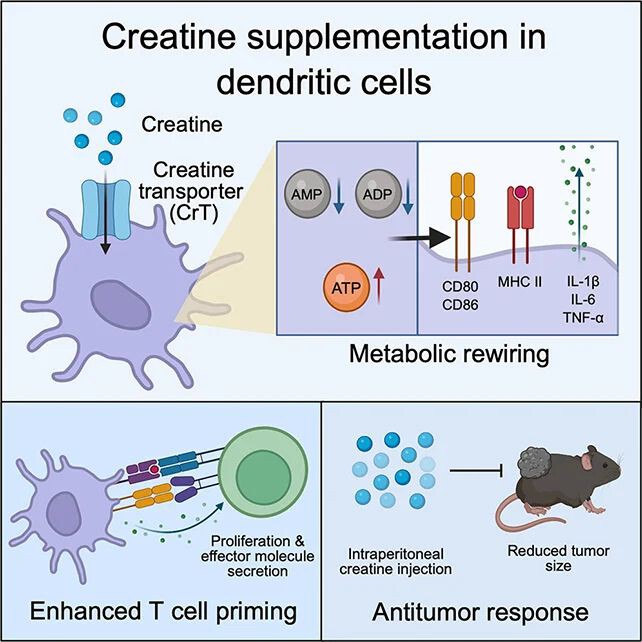
New Discovery: Creatine Fuels Dendritic Cells
A study published in April revealed that creatine also serves as an energy source for dendritic cells. These cells do not directly attack tumors but act as support for T cells, helping to activate and direct them. Think of dendritic cells as coaches preparing T cells to enter the game and defeat the opponent.
This finding suggests that creatine supplementation could enhance the immune response against cancer, particularly in patients undergoing immunotherapy. Immunotherapy works by harnessing the body's immune system to fight cancer, and creatine might give it an extra boost.
How Creatine Supports Cancer Immunotherapy
Immunotherapy has revolutionized cancer treatment, but not all patients respond well. One challenge is that cancer cells can evade the immune system by suppressing T cell activity. Creatine may help overcome this by energizing both dendritic cells and T cells, enabling them to mount a stronger attack.
In mouse models and cell cultures, creatine supplementation has been shown to improve the function of these immune cells. While human studies are still needed, the preliminary results are promising. Researchers are now exploring whether creatine could be used as an adjunct therapy to improve outcomes for cancer patients.
- Creatine is not just for muscle building; it also supports immune function.
- It strengthens T cells, which directly attack cancer cells.
- It fuels dendritic cells, which support T cell activity.
- Creatine may enhance the effectiveness of cancer immunotherapy.
- More research is needed to confirm benefits in humans.
Who Might Benefit from Creatine Supplementation?
While the research is still in early stages, certain groups might benefit from creatine supplementation. Cancer patients undergoing immunotherapy could potentially see improved immune responses. However, it's essential to consult with a healthcare provider before starting any supplement, as creatine can interact with medications and may not be suitable for everyone. The longer history behind the story is traced in Creatine Boosts Immune Cells in Cancer Immunotherapy, Study Finds.
Older adults looking to support cognitive health and energy levels may also consider creatine, as previous studies have shown benefits in these areas. Athletes and fitness enthusiasts continue to use creatine for performance enhancement, and now there's evidence it might also support overall immune health. The background to this story is set out in Learning Languages Boosts Brain Health and Confidence. A related thread runs through Wolf Digestion Boosts Blueberry Germination by 96 Percent. Earlier coverage in Jupiter's Role in Creating Asteroid Bennu: A Cosmic Mixer shows how the argument developed.
What to Watch Next in Creatine Research
Scientists are actively investigating the role of creatine in cancer treatment. Future studies will focus on determining optimal dosages, timing, and potential side effects. Clinical trials in humans are needed to confirm the findings from animal and cell studies. A closer look at the same subject appears in Support Your Immune System: Is OrthoMune the Best Choice?. Anyone following the wider picture can start with Outdoor Play Independence for Kids Boosts Confidence. The same theme surfaces in Health: latest articles, which takes a different angle.
Additionally, researchers are exploring whether creatine could be used alongside other treatments, such as chemotherapy or radiation, to improve outcomes. As our understanding of creatine's effects on the immune system grows, it may become a valuable tool in the fight against cancer. Context on how this played out before sits in Hot Coffee or Tea Triples Esophageal Cancer Risk, Study Finds. A companion piece, Heart, Pupils, and Steps: What Really Syncs When You Spend Time Together, approaches the same subject from another angle.
| Cell Type | Role in Immune Response | Effect of Creatine |
|---|---|---|
| T Cells | Directly attack cancer cells | Enhanced function and energy |
| Dendritic Cells | Activate and support T cells | Improved energy supply |
FAQ
Is creatine safe for cancer patients?
Creatine is generally considered safe for most people, but cancer patients should consult their oncologist before taking it, as it may interact with treatments or have specific effects in their condition.
How much creatine should I take for immune benefits?
There is no established dosage for immune benefits. Standard doses for muscle building are 3-5 grams per day, but optimal amounts for immune support are still under investigation.
Can creatine replace immunotherapy?
No, creatine is not a replacement for immunotherapy or any cancer treatment. It is being studied as a potential supplement to enhance immune function, but it should not be used instead of prescribed therapies.
What are the side effects of creatine?
Creatine is generally well-tolerated. Some people may experience bloating, diarrhea, or muscle cramps. It can also affect kidney function in people with pre-existing kidney disease, so consultation with a doctor is advised.
Browse the Shop
 Acacia frida deluxe solid wood bed frame |
Bedroom bench |
Bed chest drawers |
Lingerie dresser |
Frame base |
Mirror with jewelry storage |
30 Bathroom Vanity |
Memory foam queen mattress |
Mattresses for back pain |
Nightstand set of 2 |
Grand Goldman Shop |
Civil Lawyer
Deutschland Trikot WM 2026







