

Solar eclipse eye safety is critical as the August 12 total solar eclipse approaches, the first in Spain since 1959 in the Canary Islands and since 1912 on the mainland. With so much information about safety measures, some people are afraid to watch, while others dismiss warnings. This guide explains the real risks and how to protect your vision.
What Is Eclipse Retinopathy?
Eclipse retinopathy occurs when ultraviolet and infrared radiation from the Sun passes through the retina and concentrates on the macula, burning the photoreceptors that help us see. This area of the eye has no pain receptors, so you won't feel the burn and won't look away. On a normal day, the Sun's light is so intense that you instinctively squint or turn away, but during an eclipse, the partial darkness can trick you into staring.
Find Original Home Decor sparking conversation at Grand Goldman Shop.

The damage can be permanent, leading to blurred vision or blind spots. That's why proper protection is essential.
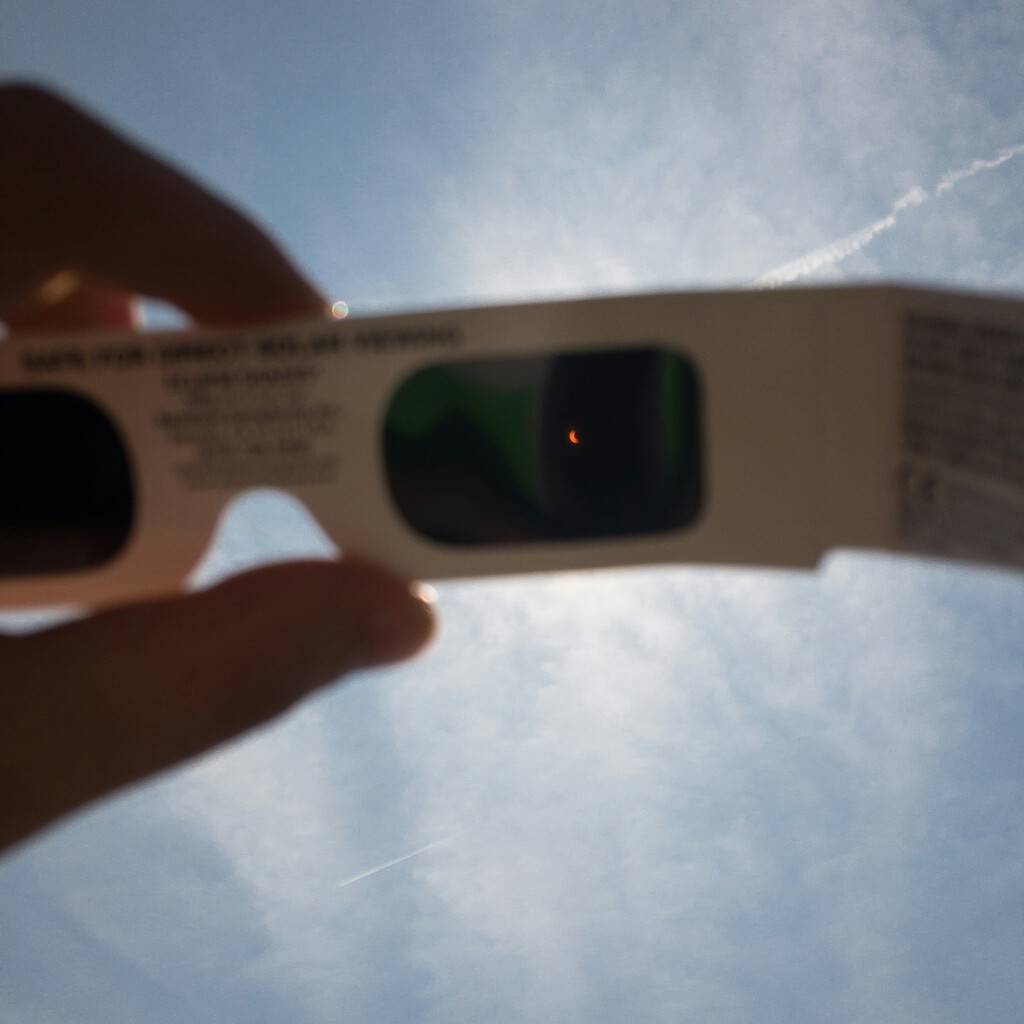
Why the August 12 Eclipse Is Different
This is the most anticipated solar eclipse in Spain in over a century, and the surge of safety information has caused confusion. Some worry that certified glasses might not be reliable, while others argue that past generations used X-rays or film negatives without going blind. The truth is, those makeshift filters are unsafe and can cause damage. Modern safety standards exist because we now understand the risks better.
The key is to use only certified eclipse glasses that meet the ISO 12312-2 standard. These glasses block harmful UV and IR radiation and reduce visible light to safe levels.
How to View the Eclipse Safely
Never look directly at the Sun without proper protection, except during the brief total phase when the Moon completely covers the Sun. During partial phases, always use certified eclipse glasses or handheld solar viewers. Regular sunglasses, smoked glass, X-ray film, or camera negatives are not safe.
If you're using a telescope or binoculars, attach a solar filter designed for that device. Never use eclipse glasses with optical instruments; the concentrated light can damage the filter and your eyes.
- Use certified eclipse glasses that meet ISO 12312-2.
- Inspect glasses before use for scratches or damage.
- Supervise children closely during the eclipse.
- Never use makeshift filters like X-rays or film.
- Use solar filters on cameras and telescopes.
Common Myths About Eclipse Eye Safety
Myth: You can go blind from looking at an eclipse. Fact: Damage is possible, but with proper protection, you can view it safely. Myth: Eclipse glasses are unnecessary because the Sun is dim during an eclipse. Fact: The Sun is never safe to look at without protection during partial phases.
Myth: If you've looked at an eclipse before without protection and were fine, you'll be fine again. Fact: Damage can be cumulative and may not appear immediately. The background to this story is set out in Eclipse Eye Damage: How to Tell If You Burned Your Retina. A related thread runs through August 2027 Total Solar Eclipse in Spain: Viewing Guide. Earlier coverage in Total Solar Eclipse 2026: Spanish Village Prepares for shows how the argument developed.
What to Do If You Experience Symptoms
If you notice blurred vision, blind spots, or distorted vision after viewing the eclipse, see an eye care professional immediately. Early diagnosis can help manage symptoms, though there is no cure for eclipse retinopathy. A closer look at the same subject appears in Solar Eclipse Communal Magic: Cornwall's Skyward Moment. Anyone following the wider picture can start with Solar Eclipse Viewing Tips from Real Observers. The same theme surfaces in Solar Eclipse in Cornwall: A Magical Communal Experience, which takes a different angle.
Prevention is the best strategy. Make sure you have certified glasses ready before August 12. Context on how this played out before sits in UK Solar Eclipse 2026: Best Viewing Spots Revealed. A companion piece, Europe Solar Eclipse 2026: Rare Spectacle Draws Millions, approaches the same subject from another angle.
Comparison of Eye Protection Methods
| Method | Safe? | Notes |
|---|---|---|
| Certified eclipse glasses (ISO 12312-2) | Yes | Recommended for direct viewing |
| Regular sunglasses | No | Do not block enough UV/IR |
| X-ray film | No | Unsafe, outdated |
| Smoked glass | No | Inconsistent protection |
| Solar filters for cameras/telescopes | Yes | Must be designed for the device |
FAQ
Can I go blind from looking at a solar eclipse?
Looking directly at the Sun during an eclipse can cause permanent retinal damage, known as eclipse retinopathy. However, with certified eclipse glasses, you can view it safely.
Are regular sunglasses safe for viewing an eclipse?
No, regular sunglasses do not provide adequate protection against the Sun's harmful UV and IR radiation. Only certified eclipse glasses are safe.
What should I do if I think my eyes are damaged?
Seek immediate medical attention from an eye care professional. Symptoms may include blurred vision or blind spots.
Can children use eclipse glasses?
Yes, but they should be supervised to ensure they wear them correctly and do not remove them while looking at the Sun.
Browse the Shop
 Acacia frida deluxe solid wood bed frame |
Bedroom bench |
Bed chest drawers |
Lingerie dresser |
Frame base |
Mirror with jewelry storage |
30 Bathroom Vanity |
Memory foam queen mattress |
Mattresses for back pain |
Nightstand set of 2 |
Grand Goldman Shop |
Civil Lawyer
Deutschland Trikot WM 2026







