

Wood flooring, when properly maintained and respected, can last for many years. However, you may occasionally need to repair damaged parquet. The most frequent damage comes from prolonged exposure to dry indoor air, which can cause significant cracking between planks or slats. You might also notice raised or swollen parquet — an unsightly problem that needs immediate attention.
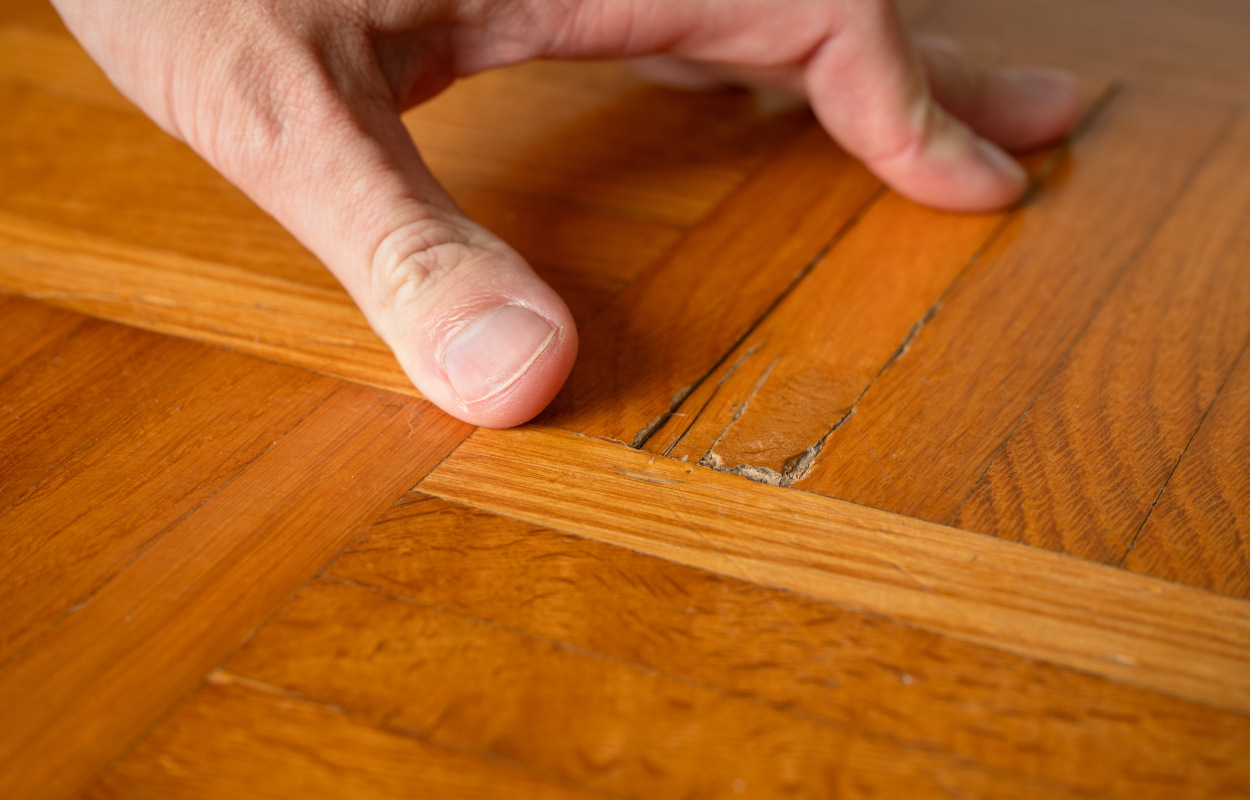
Common parquet issues include dents from dropped objects, scratches, abrasions, and swelling caused by humidity that makes the wood expand. Always remove dust with a specialized dust-attracting cloth and treat your floor annually with protective products and a dedicated wood floor polish.
Find Bleeding Edge Supplements at Scandalous Prices on iHerb.

What You Need to Know for Parquet Restoration
For the "health" of your parquet, maintaining the correct room climate is essential: humidity between 45% and 60%, air temperature between 15°C and 20°C, and never below 10°C.
At the start of the cold season, heat rooms gradually and place humidifier trays on radiators. Also, ventilate rooms properly throughout the year. For underfloor heating, use room humidifiers during winter.
Avoid placing heavy concentrated weights on small areas of the floor. Always apply protective felt pads under furniture legs, chair legs, etc. If chairs have plastic casters, it's better to replace them with rubber ones.
Place a clean doormat at the entrance to remove dust and abrasive particles from shoe soles.
Pets can also cause wear — keep their nails trimmed and clean up accidents immediately to prevent moisture damage.
Repairing Parquet – Classic Interventions
For minor scratches and scuffs, start with a gentle cleaning using a pH-neutral wood cleaner. Deeper scratches may require a wood filler crayon matched to your floor's color. Apply the filler, let it dry, then lightly sand with fine-grit sandpaper and refinish with a protective coat.
For Water Damage and Swollen Planks
If you notice swollen or raised planks due to moisture, act quickly. Dry the area thoroughly using a dehumidifier and fans. In severe cases, you may need to remove the damaged planks and replace them. Use a circular saw set to the correct depth to cut out the damaged section, then glue in a new plank with wood adhesive.

Parquet Sanding and Refinishing
For extensive damage across a large area, sanding and refinishing the entire floor may be necessary. This process removes the top layer of wood, eliminating scratches, stains, and minor swelling. You'll need a drum sander or orbital sander, starting with coarse grit and progressing to fine grit. After sanding, apply a fresh coat of parquet varnish or oil.
Correctly Identifying the Type of Damage
- Surface scratches: Light scuffs that only affect the finish — can be buffed out or touched up with a restoration marker.
- Deep scratches and gouges: Damage that reaches the wood itself — requires wood filler and refinishing.
- Water stains: White or dark rings — white stains can often be removed with a hair dryer and cloth; dark stains may require sanding.
- Swollen or cupped planks: Caused by moisture — dry the area and, if severe, replace the planks.
- Gaps between planks: Seasonal movement — fill with wood gap filler or use a humidity control product to stabilize the room climate.
Using the Right Products for Repair
Choosing the correct products is crucial for a successful repair. Always match the wood filler color to your floor. For oiled floors, use oil-based touch-up kits. For lacquered floors, choose water-based varnish for easy application and low odor. A microfiber mop and wood floor cleaner will help maintain the finish after repair.
Preventing Future Damage: Daily Best Practices
- Place area rugs in high-traffic zones and near entryways to catch dirt and moisture.
- Use curtains or blinds to reduce direct sunlight exposure, which can fade and dry out wood.
- Keep indoor humidity stable with a hygrometer and humidifier.
- Clean spills immediately with a dry or slightly damp cloth — never let water sit on the floor.
- Avoid walking on the floor with high heels or dirty shoes.
When to Call a Professional
While many repairs can be DIY, some situations require a professional:
- Extensive water damage covering a large area.
- Deep scratches or gouges that go through the entire plank.
- Warped or buckled flooring that needs replacement.
- If you lack the tools or experience for sanding and refinishing.
A professional can assess the damage and recommend the best course of action, whether it's spot repair or full refinishing.
Repair or Replace? How to Decide
Consider the extent of the damage and the age of your floor. If the parquet is more than 15–20 years old and has been sanded multiple times, replacement may be more cost-effective. For newer floors with localized damage, repair is usually the better option. You can find replacement planks that match your existing floor, or consider a completely new look with engineered wood flooring.
Repairing Damaged Parquet: Avoiding Common Mistakes
- Skipping the cleaning step: Always clean the damaged area thoroughly before applying any filler or finish.
- Using the wrong filler color: Test the filler on a hidden area first.
- Over-sanding: Sanding too aggressively can damage the wood and create uneven surfaces.
- Ignoring humidity: Failing to address the root cause of swelling or gaps will lead to recurring problems.
- Rushing the drying time: Allow each layer of filler, stain, or varnish to dry completely before applying the next.
Frequently Asked Questions
Can I repair parquet without sanding the entire floor?
Yes, for minor scratches and small damaged areas, you can use touch-up markers, wood filler, or spot refinishing kits. These products allow you to fix isolated damage without refinishing the whole floor.
How do I fix a swollen parquet plank?
First, dry the area thoroughly using a dehumidifier and fans. If the plank does not return to its original shape, you may need to cut it out and replace it with a new plank using wood adhesive.
What's the best way to fill gaps between parquet planks?
For small seasonal gaps, use a wood gap filler that matches your floor color. For larger gaps, consider using a rope or strip filler designed for parquet floors. Maintaining stable humidity will prevent gaps from recurring.
Can I repair water stains on parquet?
White water stains can often be removed by gently heating the area with a hair dryer and wiping with a soft cloth. Dark stains usually indicate that moisture has penetrated the wood and may require sanding and refinishing.
How often should I refinish my parquet floor?
Depending on wear, parquet floors typically need refinishing every 7–10 years. Use protective mats in high-traffic areas and clean regularly with wood-safe products to extend the time between refinishing.
Browse Grand Goldman Home Decor
Discover unique craftsmanship home decor and furniture at the Grand Goldman Shop.
 best dressers decor for every home |
stylish dressers accessories online |
affordable dressers for any room |
best bedroom storage for small master suite |
affordable bedroom storage for guest room refresh |
premium bedroom storage for teen bedroom makeover |
trending chests wardrobes ideas for home |
best chests wardrobes for small spaces |
affordable chests wardrobes under budget |
best mattresses decor for every home |
stylish mattresses accessories online |
affordable mattresses for any room |
espresso wall mounted coat rack |
wooden entryway storage shelf |
4 dual hook entry organizer |
3 in 1 entryway hall tree |
storage bench with coat hooks |
black shoe storage organizer |
grey power reclining sofa set |
3 piece leather recliner couch |
modern sectional reclining sofa |
modern executive computer desk |
wooden storage cabinet desk |
large office desk with doors |
best dressers decor for every home |
stylish dressers accessories online |
affordable dressers for any room |
best bedroom storage for small master suite |
affordable bedroom storage for guest room refresh |
premium bedroom storage for teen bedroom makeover |
trending chests wardrobes ideas for home |
best chests wardrobes for small spaces |
affordable chests wardrobes under budget |
best mattresses decor for every home |
stylish mattresses accessories online |
affordable mattresses for any room |
espresso wall mounted coat rack |
wooden entryway storage shelf |
4 dual hook entry organizer |
3 in 1 entryway hall tree |
storage bench with coat hooks |
black shoe storage organizer |
grey power reclining sofa set |
3 piece leather recliner couch |
modern sectional reclining sofa |
modern executive computer desk |
wooden storage cabinet desk |
large office desk with doors |
Browse the Shop
 Acacia frida deluxe solid wood bed frame |
Bedroom bench |
Bed chest drawers |
Lingerie dresser |
Frame base |
Mirror with jewelry storage |
30 Bathroom Vanity |
Memory foam queen mattress |
Mattresses for back pain |
Nightstand set of 2 |
Grand Goldman Shop |
Civil Lawyer
Deutschland Trikot WM 2026
Acacia frida deluxe solid wood bed frame |
Bedroom bench |
Bed chest drawers |
Lingerie dresser |
Frame base |
Mirror with jewelry storage |
30 Bathroom Vanity |
Memory foam queen mattress |
Mattresses for back pain |
Nightstand set of 2 |
Grand Goldman Shop |
Civil Lawyer
Deutschland Trikot WM 2026










