

In 1967, a CBS television program called The 21st Century imagined the office of the future, and in doing so, it surprisingly anticipated the personal computer. The episode, titled "At Home: 2001," aired on March 12, 1967, and painted a picture of domestic life in the year 2001 that included a device remarkably similar to today's PC.
The show's host introduced a concept called the "electronic correspondence machine," a prototype that would handle tasks we now associate with computers. This was two years before ARPANET's first connection, the precursor to the internet, making the prediction even more remarkable.
Find Original Home Decor sparking conversation at Grand Goldman Shop.

The Vision of the 21st Century Home Office
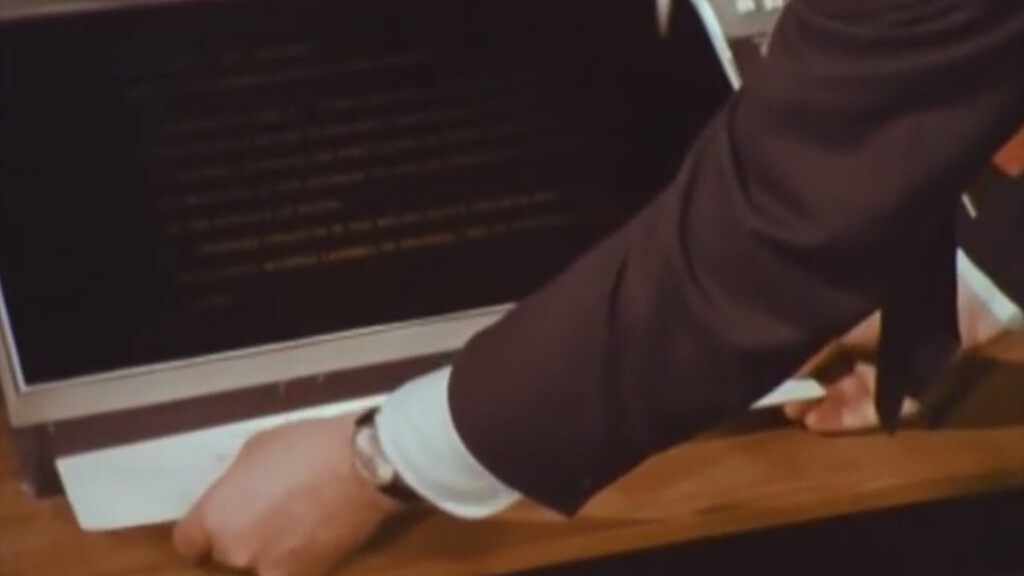
The segment on the home office was brief, just a minute and a half, but it packed in several forward-thinking ideas. The host described a machine that would allow people to work from home, predicting that "in the house of the future we won't have to go to work, work will come to us." This concept of remote work is eerily prescient given today's telecommuting culture.
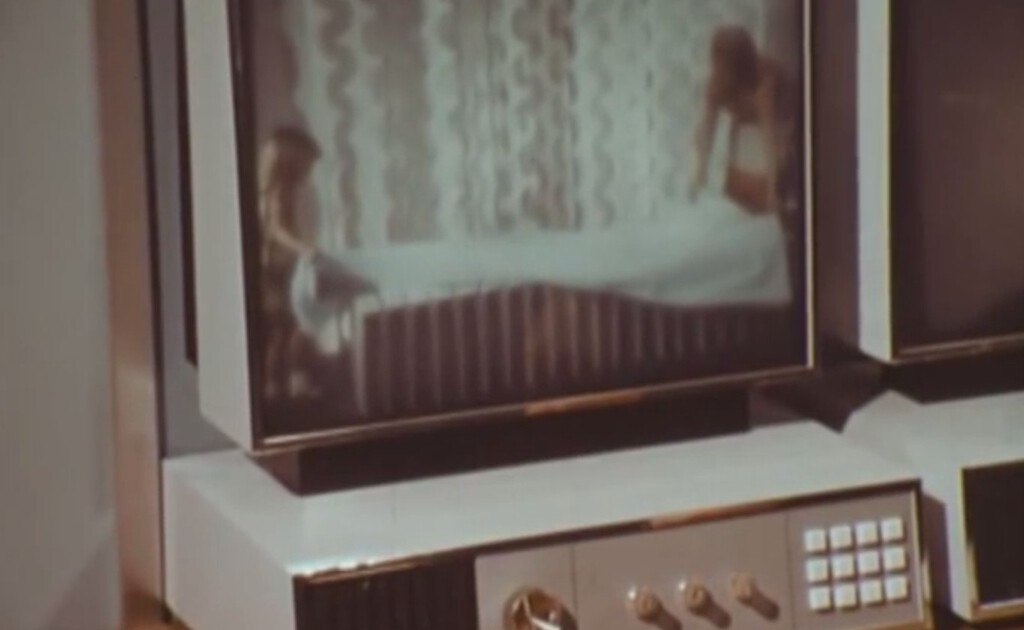
The device was not named or modeled after any specific machine; it was a conceptual prototype created to illustrate the predictions. It was envisioned to handle correspondence electronically, a far cry from the typewriters and postal mail of the 1960s.
Other Accurate Predictions from the Show
The program didn't stop at the home office. It also forecast several other technologies that have become integral to modern life. Among them:
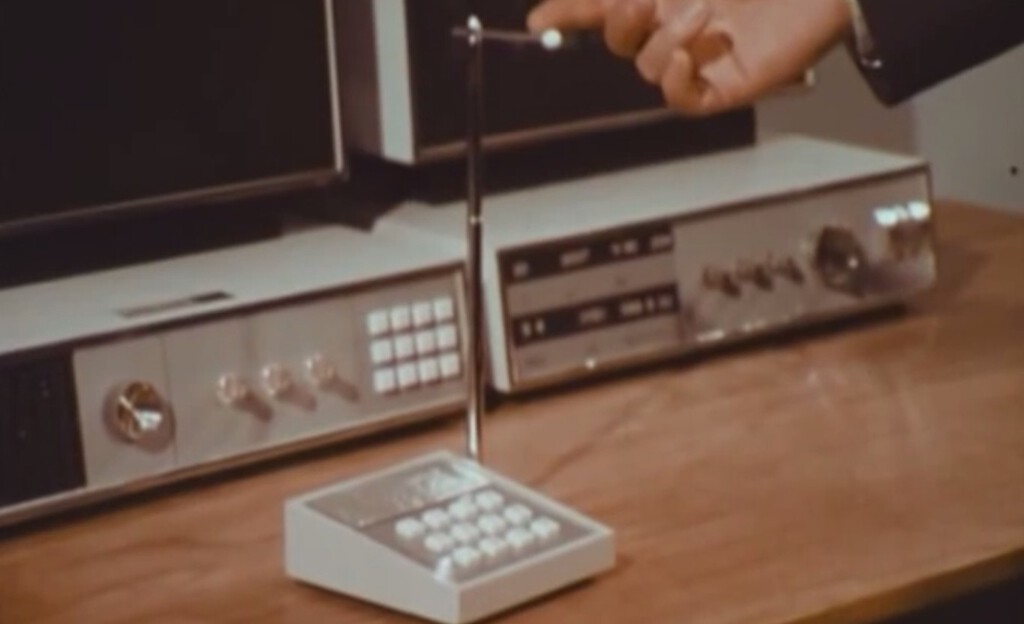
- Reading newspapers on a device at home via a satellite network, akin to online news.
- Videoconferencing, now common with services like Zoom and Skype.
- Office software for productivity, similar to today's word processors and spreadsheets.
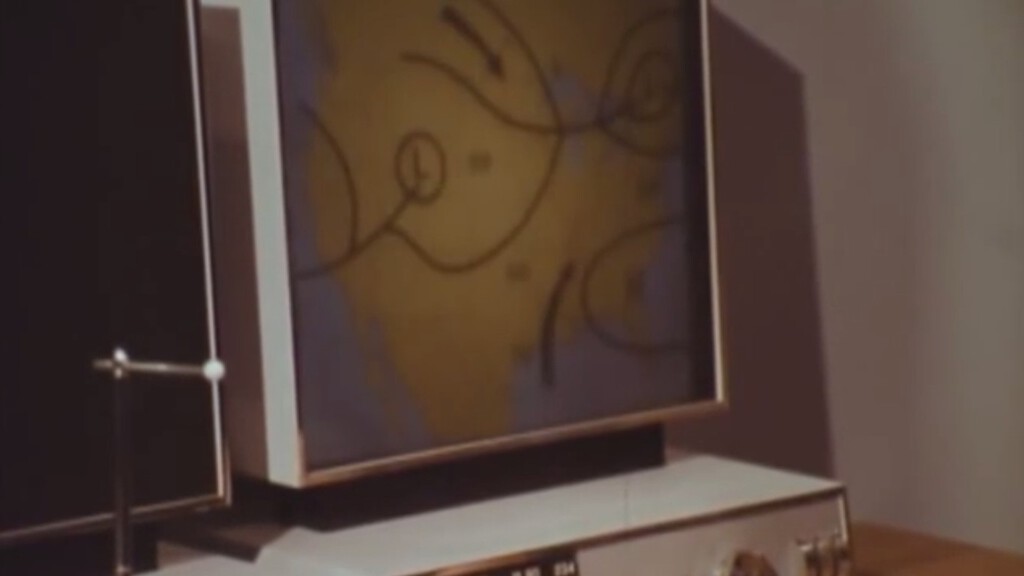
- Online weather forecasts, accessible anytime.
- Home video surveillance systems, now popular for security.
These predictions were remarkably accurate, especially considering the technological landscape of the late 1960s. The show's creators had a keen sense of how technology might evolve to serve everyday needs.
How the Predictions Compare to Reality
While the show got many things right, there were some differences in the details. For instance, the "electronic correspondence machine" was imagined as a bulky console, not the sleek laptops and smartphones we use today. The satellite network for news delivery foreshadowed the internet but didn't anticipate the web's full scope.
However, the core ideas—remote work, digital communication, and access to information from home—were spot on. The show's vision of the home office as a hub for work and information anticipated the connected homes we live in now.
| Prediction from 1967 | Modern Equivalent | Accuracy |
|---|---|---|
| Electronic correspondence machine | Personal computer | High |
| Newspapers via satellite | Online news websites | High |
| Videoconferencing | Zoom, Skype, etc. | High |
| Office software | Microsoft Office, Google Workspace | High |
| Online weather forecasts | Weather apps and websites | High |
| Home video surveillance | Security cameras with apps | High |
The table shows that the show's predictions were largely accurate, with only minor deviations in form factor and implementation. This highlights the show's insightful speculation about the role of technology in daily life. The longer history behind the story is traced in Quantum Network Passes Its Most Demanding Test Yet for Real-World Deployment.
Why This Prediction Matters Today
This 1967 broadcast is a fascinating example of how popular culture can anticipate technological trends. It shows that even before the personal computer revolution, people were thinking about how technology could transform the home and workplace. The show's emphasis on remote work and instant access to information resonates strongly with today's digital lifestyle. The background to this story is set out in New Town Boom: Labour's Legacy for 21st-Century Housing Crisis. A related thread runs through Ebro Aims to Be the Seat of the 21st Century, Says Sales Chief. Earlier coverage in Breaking Bad Named Best TV Series of the 21st Century by NYT shows how the argument developed.
Moreover, it underscores the importance of visionary thinking. The creators of The 21st Century didn't have the technical details, but they grasped the societal implications of emerging technologies. Their predictions serve as a reminder that today's science fiction can become tomorrow's reality. A closer look at the same subject appears in Home Office Designs. Anyone following the wider picture can start with Learn to Create a Small Home Office. The same theme surfaces in What Can't Be Missing in Your Home Office!, which takes a different angle.
As we look back, we can appreciate the accuracy of these forecasts and perhaps draw inspiration for our own predictions about the future. What might we envision today that will seem obvious in 50 years? Context on how this played out before sits in Spycops Inquiry Must Not Be Buried by Home Office. A companion piece, Syrian Surgeon Deportation: Home Office Revokes Refugee Status, approaches the same subject from another angle.
FAQ
What was the name of the 1967 TV show that predicted the home office?
The show was called The 21st Century, and the specific episode was "At Home: 2001," which aired on CBS.
Did the show predict the personal computer?
Yes, it featured a device called the "electronic correspondence machine" that functioned similarly to a personal computer for tasks like correspondence and office work.
How accurate were the show's predictions?
The predictions were remarkably accurate, anticipating videoconferencing, online news, office software, and home security systems, among other technologies.
Why is this prediction significant?
It demonstrates how television and popular culture can foresee technological advancements, and it highlights the enduring human desire to imagine and shape the future.
Browse the Shop
 Acacia frida deluxe solid wood bed frame |
Bedroom bench |
Bed chest drawers |
Lingerie dresser |
Frame base |
Mirror with jewelry storage |
30 Bathroom Vanity |
Memory foam queen mattress |
Mattresses for back pain |
Nightstand set of 2 |
Grand Goldman Shop |
Civil Lawyer
Deutschland Trikot WM 2026







