

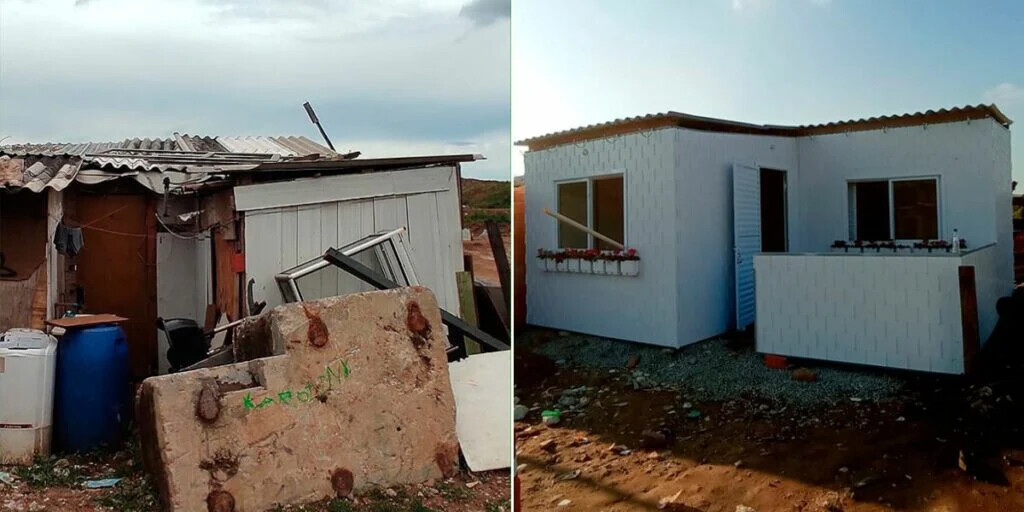
Brazil's plastic block homes are turning recycled waste into rapid, sustainable housing. In 2023, Rejane Alves de Souza, a 45-year-old mother of nine and grandmother of twelve, received the keys to a house in Porto de Areia, a community in Carapicuíba, São Paulo state. Unlike most homes in Brazil, its walls are made from blocks of recycled plastic, and it was built in just 15 hours.
The project is a pilot by the NGO TETO Brazil and its partners, who presented it as the first of 1,000 homes they hope to build using the same method. Each home is designed to keep around two tons of plastic waste out of the environment while replacing the makeshift shacks of canvas and wood that many families live in.
Find Original, High-end Home Decor that spark conversation at Grand Goldman Shop.
What Is the Plastic Block Home?
The unit is a 27-square-meter dwelling with space for three rooms, including a bathroom, plus electrical and plumbing systems. TETO describes it as the most sustainable version of its "Seed Housing" project, launched in early 2023.
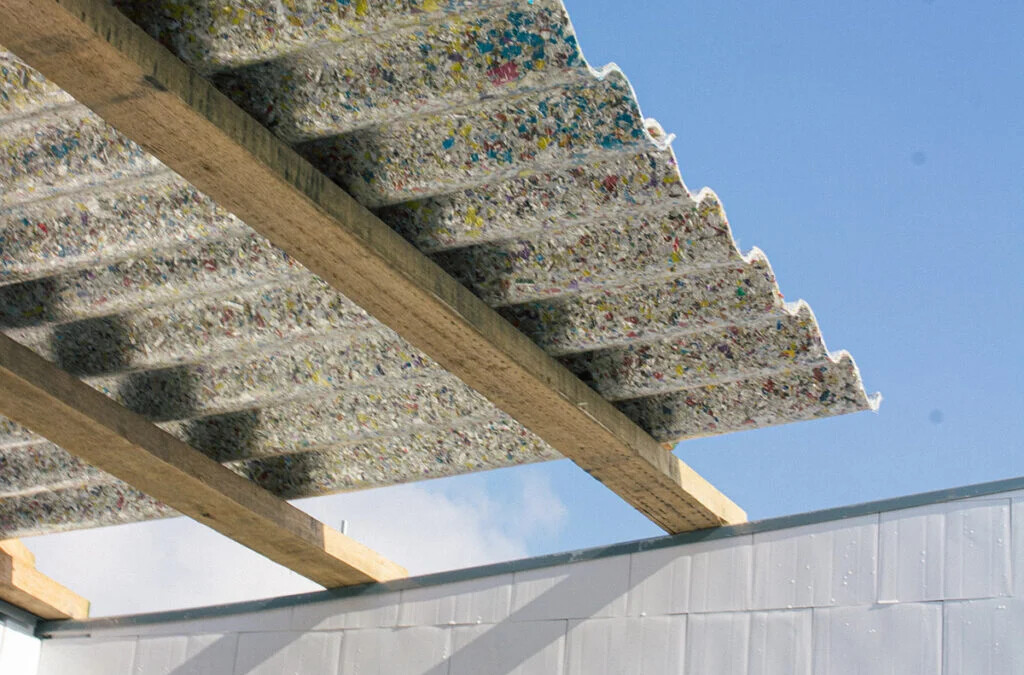
The plastic blocks were developed by the company Fuplastic. They fit together like Lego pieces without the need for mortar, which speeds up construction and reduces the need for skilled labor on site. This modular approach is central to the 15-hour assembly time.
How the Blocks Work
The blocks are made from recycled plastic and interlock mechanically. This design eliminates mortar joints, which are typically a weak point in traditional masonry and require curing time. The result is a sturdy wall system that can be assembled quickly by a small team.
Because the blocks are manufactured off-site, construction waste is minimized, and the quality of the material can be controlled in a factory setting. This prefabrication strategy is key to the speed and consistency of the build.
Why It Matters: Housing and Plastic Pollution
Brazil faces a severe housing deficit, with many families living in inadequate conditions. Traditional construction is slow and costly, making it difficult to quickly provide decent homes. The plastic block method offers a potential solution by using a readily available waste material.
At the same time, plastic pollution is a global crisis. By incorporating recycled plastic into building materials, the project addresses two problems at once: it diverts waste from landfills and waterways, and it creates affordable housing. Each home uses about two tons of plastic, which would otherwise likely end up in the environment.
This dual benefit is what makes the initiative noteworthy. It's not just about building houses; it's about creating a circular economy where waste becomes a resource.
Challenges and Considerations
While the pilot is promising, scaling up to 1,000 homes will require overcoming several hurdles. The supply chain for recycled plastic must be reliable and consistent in quality. The blocks need to meet building codes and safety standards, which vary by region.
Additionally, community acceptance is crucial. Families must be comfortable living in plastic homes, which may carry stigma despite the material's durability. TETO and its partners will need to educate and engage with residents to ensure long-term success.
Cost is another factor. Although the blocks are made from waste, the processing and manufacturing infrastructure require investment. The project's economic viability will depend on achieving economies of scale.
What to Watch Next
The success of this pilot will be closely watched by housing advocates and environmentalists. If TETO can deliver on its promise of 1,000 homes, it could inspire similar projects across Brazil and beyond. The model could be adapted to other regions with plastic waste problems and housing shortages.
Key indicators to monitor include the durability of the homes over time, the satisfaction of residents, and the actual environmental impact in terms of plastic diverted. Also, watch for policy support—governments could incentivize such construction through subsidies or building code updates. The background to this story is set out in Science: latest articles.
For now, Rejane's home stands as a proof of concept. It shows that with innovation and collaboration, it's possible to tackle two pressing issues simultaneously. As the project progresses, it may well become a blueprint for sustainable housing in the 21st century. A related thread runs through Matt Damon's The Last Duel: The 2021 Armor Movie You Missed. Earlier coverage in Brazil's Plastic Block Homes: 2 Tons of Recycled Waste, 15-Hour Build shows how the argument developed.
FAQ
How long does it take to build a plastic block home?
How much plastic waste does each home use?
Who is behind the plastic block housing project?
What are the dimensions of the home?
Browse the Shop
 Acacia frida deluxe solid wood bed frame |
Bedroom bench |
Bed chest drawers |
Lingerie dresser |
Frame base |
Mirror with jewelry storage |
30 Bathroom Vanity |
Memory foam queen mattress |
Mattresses for back pain |
Nightstand set of 2 |
Grand Goldman Shop |
Civil Lawyer
Deutschland Trikot WM 2026










