

Coffee grounds can make concrete nearly 30% stronger, according to engineers at RMIT University in Melbourne. The discovery offers a way to divert coffee waste from landfills and reduce the construction industry's reliance on sand.
Every morning, millions of people toss their used coffee grounds into the trash without a second thought. Those grounds end up in landfills, where they decompose and release methane and carbon dioxide. Meanwhile, the construction industry consumes around 50 billion tons of sand each year, much of it dredged from riverbeds, damaging ecosystems.
Find Original, High-end Home Decor that spark conversation at Grand Goldman Shop.
How Coffee Grounds Become a Concrete Ingredient
The RMIT team found that used coffee grounds can be converted into a charcoal-like material called biochar. This biochar can then partially replace sand in concrete mixes. The process not only keeps coffee waste out of landfills but also reduces the need for virgin sand.
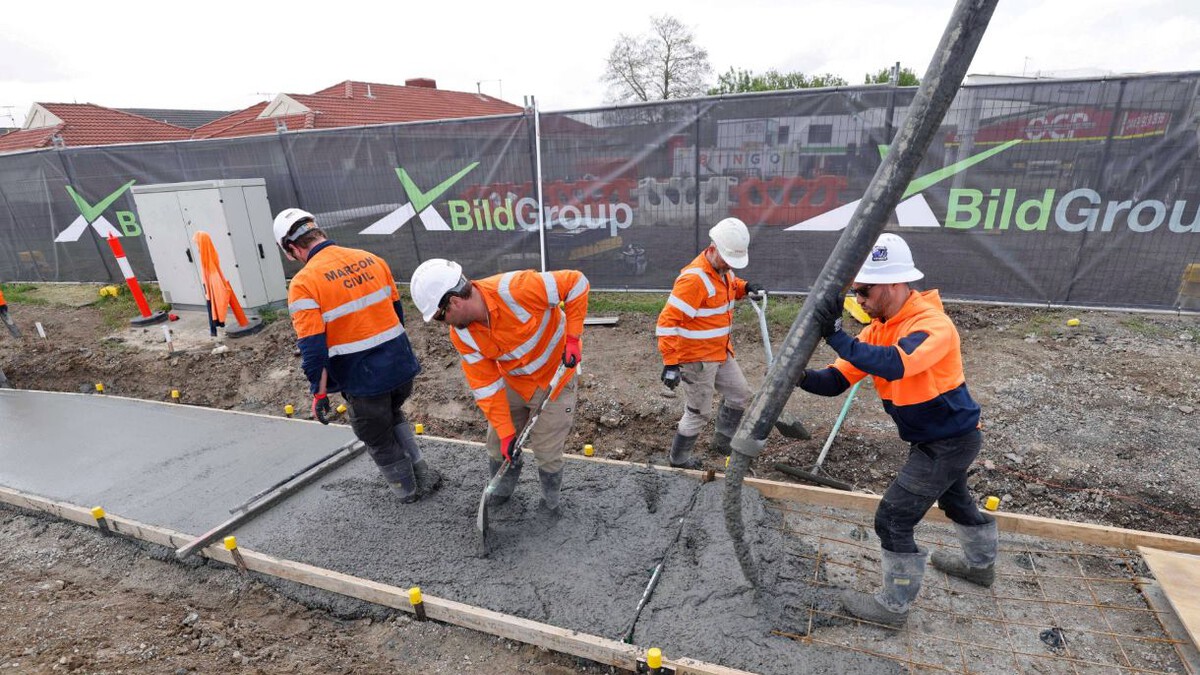
But you can't just dump wet coffee grounds into a cement mixer. The organic compounds in coffee grounds interfere with the chemical reactions that harden concrete. The engineers had to first pyrolyze the grounds—heating them in a low-oxygen environment—to turn them into biochar.
Why Biochar Works
Biochar is porous and lightweight, and it bonds well with cement. When used as a sand replacement, it improves the concrete's strength and durability. The RMIT study found that replacing 15% of the sand with coffee biochar increased the concrete's compressive strength by nearly 30%.
This isn't the first time researchers have explored coffee waste in construction. Previous studies have used coffee grounds in bricks and other materials, but this is one of the first to show a significant strength gain in concrete.
Environmental Benefits: Less Waste, Less Sand
The environmental implications are substantial. Coffee grounds are a major source of organic waste in cities. In Australia alone, over 75,000 tons of coffee grounds are produced each year. Globally, the figure is in the millions of tons.
When coffee grounds decompose in landfills, they emit methane, a potent greenhouse gas. By diverting them into concrete, we can reduce those emissions. At the same time, replacing sand reduces the pressure on river ecosystems.
- Waste reduction: Used coffee grounds are diverted from landfills, cutting methane emissions.
- Sand conservation: Biochar replaces up to 15% of the sand in concrete, reducing river dredging.
- Stronger concrete: The biochar-enhanced mix is nearly 30% stronger in compressive strength.
- Circular economy: The process turns a common waste stream into a valuable construction material.
- Scalability potential: The researchers are working with local councils to pilot the approach.
What This Means for the Construction Industry
The construction industry is under pressure to reduce its carbon footprint. Cement production alone accounts for about 8% of global CO2 emissions. While coffee biochar doesn't address cement emissions directly, it offers a way to make concrete more sustainable without compromising performance.
Moreover, the strength gain could allow builders to use less concrete overall, further reducing the environmental impact. However, the team cautions that the process needs to be scaled up and tested in real-world conditions before it becomes mainstream.
Challenges to Overcome
One challenge is collecting and processing coffee grounds at scale. Currently, most coffee grounds are mixed with other waste, making separation difficult. The RMIT team is working with coffee shops and local councils to establish collection systems.
Another challenge is cost. Biochar production requires energy, and the economics need to work for both waste managers and concrete producers. The researchers are optimistic that as carbon pricing and waste regulations tighten, the economics will improve. The longer history behind the story is traced in Coffee Grounds Make Concrete 30% Stronger, Engineers Find.
Comparing Coffee Biochar Concrete to Traditional Concrete
To understand the potential, it's helpful to compare the properties of coffee biochar concrete with standard concrete. The table below summarizes key differences based on the RMIT study. The background to this story is set out in South Korea Turns Wet Coffee Grounds Into Coal Alternative. A related thread runs through Software Engineers Adapt to AI: Key Skills and Challenges. Earlier coverage in How Software Engineers Are Adapting to AI: Key Strategies shows how the argument developed.
| Property | Traditional Concrete | Coffee Biochar Concrete (15% sand replacement) |
|---|---|---|
| Compressive strength | Baseline | ~30% higher |
| Sand content | 100% virgin sand | 85% virgin sand |
| Waste diversion | None | Diverts coffee grounds from landfill |
| Carbon footprint | Higher due to sand mining | Lower due to waste reuse |
What to Watch Next
The RMIT team is now collaborating with local governments and industry partners to trial the concrete in real projects. They are also exploring other organic waste streams, such as wood chips and food scraps, for similar applications. A closer look at the same subject appears in Science: latest articles. Anyone following the wider picture can start with Brazil's Plastic Block Homes: 2 Tons of Recycled Waste, 15-Hour Build. The same theme surfaces in Las Palmas Port Muelle: A 45.3 Million Euro Engineering Feat, which takes a different angle.
If successful, this innovation could transform how we think about waste. Coffee grounds, once a nuisance, could become a valuable resource for building stronger, greener cities. Context on how this played out before sits in White Dwarfs Aren't Always White: New Study Reveals Colorful Stars. A companion piece, Waste House: The Sustainable Home Built From 85% Trash, approaches the same subject from another angle.
FAQ
How do coffee grounds make concrete stronger?
Coffee grounds are heated in a low-oxygen environment to create biochar, which is porous and bonds well with cement. When used to replace part of the sand in concrete, biochar increases compressive strength by nearly 30%.
Can I just mix coffee grounds into concrete myself?
No. Raw coffee grounds contain organic compounds that interfere with cement hydration. They must first be converted into biochar through pyrolysis before they can be used in concrete.
How much coffee waste can this process divert from landfills?
The potential is significant. In Australia alone, over 75,000 tons of coffee grounds are generated annually. Globally, millions of tons of coffee waste end up in landfills each year, where they release methane.
Is coffee biochar concrete available commercially?
Not yet. The RMIT team is working with partners to scale up the technology and conduct real-world trials. Commercial availability will depend on further testing and the development of collection and processing infrastructure.
Browse the Shop
 Acacia frida deluxe solid wood bed frame |
Bedroom bench |
Bed chest drawers |
Lingerie dresser |
Frame base |
Mirror with jewelry storage |
30 Bathroom Vanity |
Memory foam queen mattress |
Mattresses for back pain |
Nightstand set of 2 |
Grand Goldman Shop |
Civil Lawyer
Deutschland Trikot WM 2026










