

The RAM crisis is reshaping the smartphone market in 2026, forcing buyers to question whether a high-end phone is still worth the investment. With memory prices soaring, the answer is more complex than ever.
For tech enthusiasts, 2026 has become a challenging and expensive year. Keeping up with the latest news is no longer enough—now you must carefully evaluate whether upgrading is truly justified. The main reason: the memory crisis.
Find Original, High-end Home Decor that spark conversation at Grand Goldman Shop.
For months, we've witnessed a brutal increase in supply chain costs. Manufacturers are prioritizing AI over consumer devices, causing shortages of components like RAM. This makes buying a PC feel like an impossible dream, upgrading hardware come with a hefty premium, and changing phones more than just an impulse buy. Evaluating a purchase goes far beyond sleeping on it.
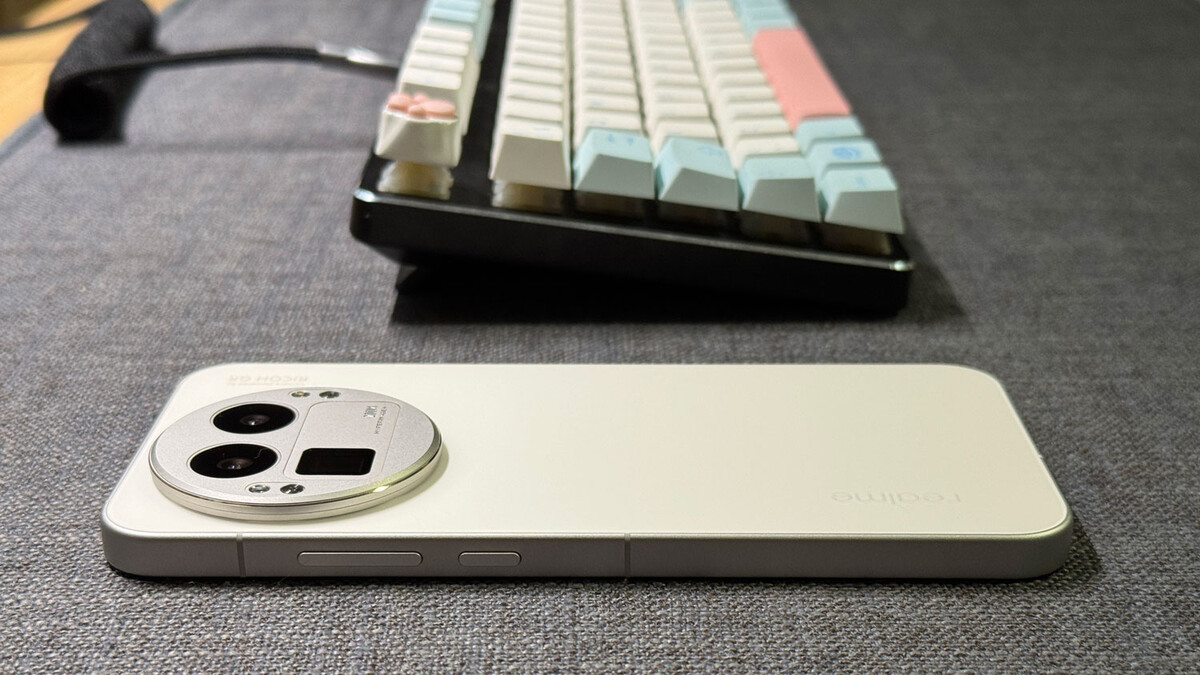
Why the RAM Crisis Is Hitting Smartphones Hard
The domino effect is easy to explain: there are very few RAM manufacturers; AI data centers need massive amounts of memory; DRAM makers prioritize server and AI products due to higher demand; that capacity has to come from somewhere, and one of the losers is the consumer market. Us.
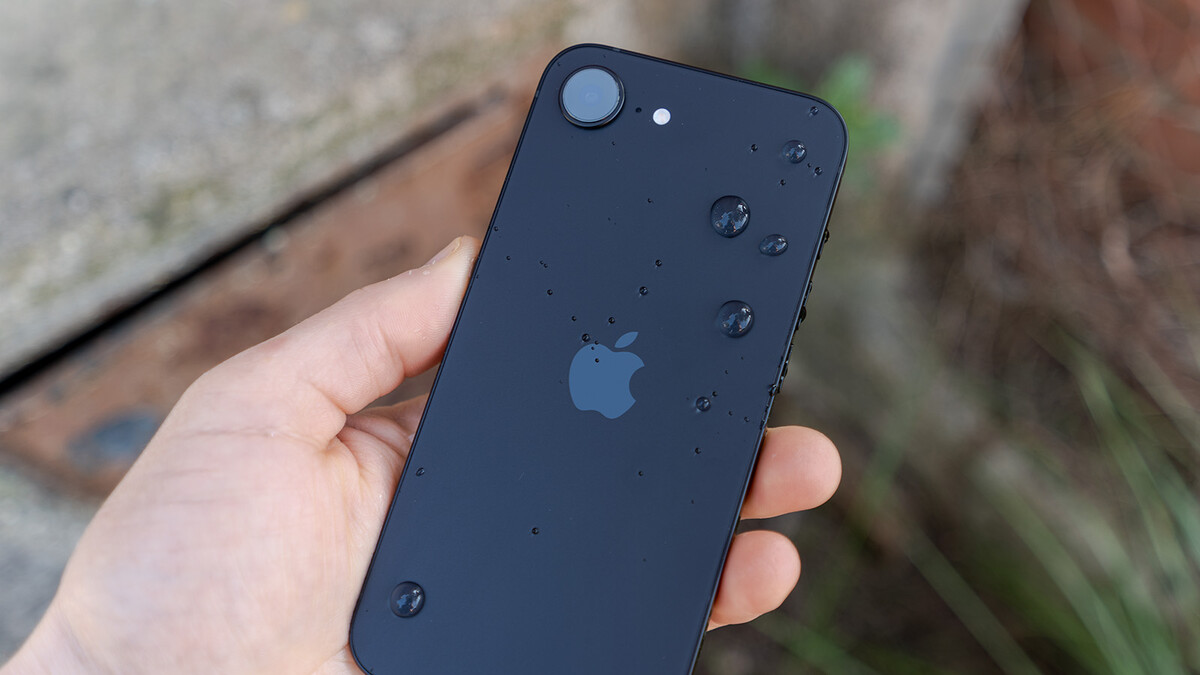
Since manufacturers like Samsung, SK Hynix, and Micron are focusing on HBM memory for data centers, RAM for devices like smartphones is rising in price to the point of becoming the most expensive component in the phone.
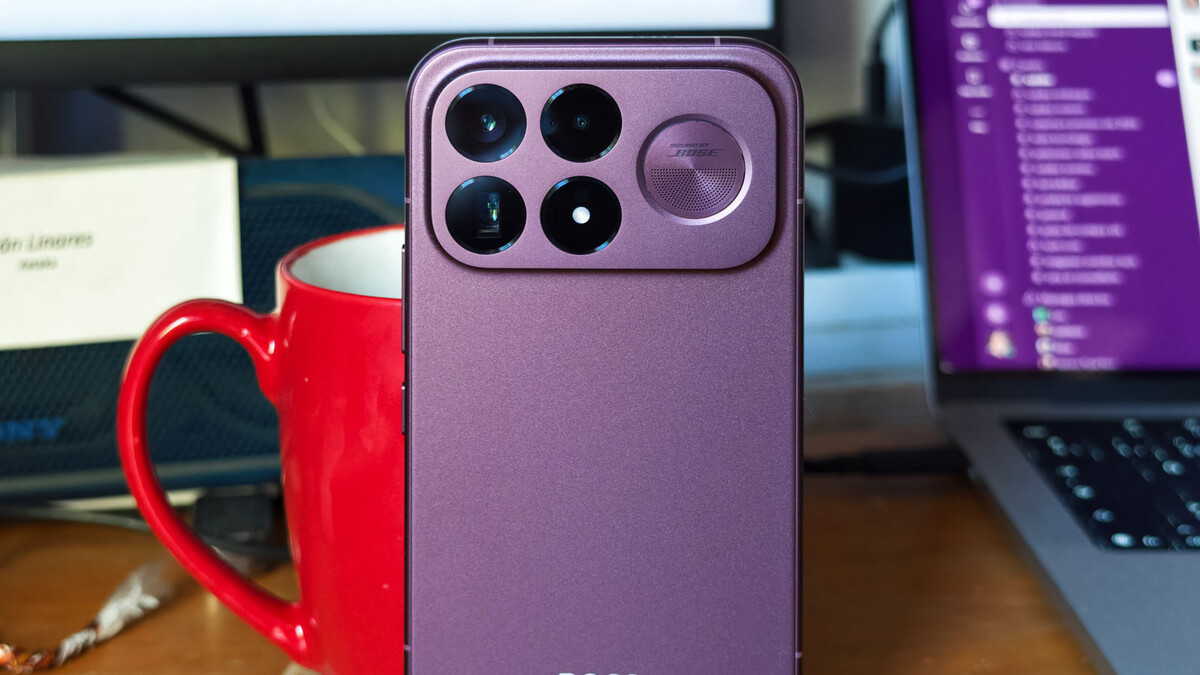
What This Means for High-End Phone Prices in 2026
High-end smartphones are particularly vulnerable because they pack more RAM to support advanced features like AI processing and multitasking. As a result, flagship prices are climbing faster than ever.
For example, a premium model that might have cost $1,000 in 2025 could now retail for $1,300 or more, with a significant portion of that increase attributed to memory costs. This shift is forcing consumers to reconsider their priorities.
Is a High-End Smartphone Still Worth It? Key Factors to Consider
Before making a decision, weigh these critical factors:
- Longevity: High-end phones typically receive software updates for longer, potentially offsetting the higher upfront cost.
- Performance needs: If you rely on resource-intensive apps like AI assistants or mobile gaming, a premium device may be necessary.
- Alternative options: Mid-range phones now offer impressive specs, and with RAM upgrades, they might suffice for most users.
- Resale value: Flagship phones tend to hold value better, but the RAM crisis could affect future trade-in prices.
- Timing: Prices may stabilize as new memory fabrication plants come online, so waiting could pay off.
Comparing High-End vs. Mid-Range Smartphones in 2026
To make an informed choice, consider this comparison of typical specs and costs:
| Feature | High-End Smartphone | Mid-Range Smartphone |
|---|---|---|
| RAM | 12-16 GB | 6-8 GB |
| Price (2026 est.) | $1,200-$1,500 | $400-$600 |
| Processor | Top-tier (e.g., Snapdragon 8 Gen 4) | Upper mid-tier (e.g., Snapdragon 7 series) |
| Camera | Advanced multi-lens system | Good dual/triple camera |
| Software updates | 4-5 years | 2-3 years |
The Impact on the Second-Hand Market
As new phone prices surge, the second-hand market is heating up. Many consumers are holding onto their devices longer, driving up demand for refurbished models.
However, be cautious: older phones may struggle with future AI-centric apps that require more RAM. If you're considering a used high-end phone, verify its RAM capacity and update support. The same theme surfaces in What We Value in a Streaming Platform in 2026 Beyond Price, which takes a different angle.
What to Watch Next: RAM Crisis Timeline and Market Outlook
Industry experts predict the RAM shortage could persist through 2027, as new fabrication facilities take time to build. Until then, prices are likely to remain elevated. The background to this story is set out in Middle East Crisis Keeps UK Interest Rates High. A related thread runs through The High Cost of University Education: Student Debt Crisis.
Keep an eye on announcements from major memory manufacturers and smartphone brands. Some may introduce optimized software to reduce RAM usage, or offer trade-in deals to offset costs. Earlier coverage in Jon Stewart Slams Congress Age Crisis: Stakes Too High shows how the argument developed. A closer look at the same subject appears in Spain's High-Speed Rail Reliability Crisis: What the AVE Fire Reveals.
For those looking to upgrade other tech, the RAM crisis is also affecting storage prices. If you're considering a new SSD, check out these SanDisk SSD deals at MediaMarkt VAT-Free Day to beat the RAM crisis and save on storage. Anyone following the wider picture can start with Technology: latest articles.
FAQ
Is it better to buy a high-end phone now or wait?
If your current phone still works, waiting could save you money as prices may stabilize. However, if you need a new phone immediately, consider a mid-range model to avoid the premium.
How does the RAM crisis affect phone performance?
The crisis doesn't directly affect performance, but it drives up prices for high-RAM devices. Manufacturers may also cut RAM in lower-tier models to keep costs down.
Will smartphone prices go down in 2026?
Unlikely, given the ongoing demand for AI and limited RAM supply. Prices may only drop once new memory production capacity is available, possibly in 2027.
Are mid-range phones good enough for most users?
Yes, for everyday tasks like browsing, social media, and photography, mid-range phones offer excellent value. Only power users need the extra RAM and processing power of high-end models.
Browse the Shop
 Acacia frida deluxe solid wood bed frame |
Bedroom bench |
Bed chest drawers |
Lingerie dresser |
Frame base |
Mirror with jewelry storage |
30 Bathroom Vanity |
Memory foam queen mattress |
Mattresses for back pain |
Nightstand set of 2 |
Grand Goldman Shop |
Civil Lawyer
Deutschland Trikot WM 2026










