

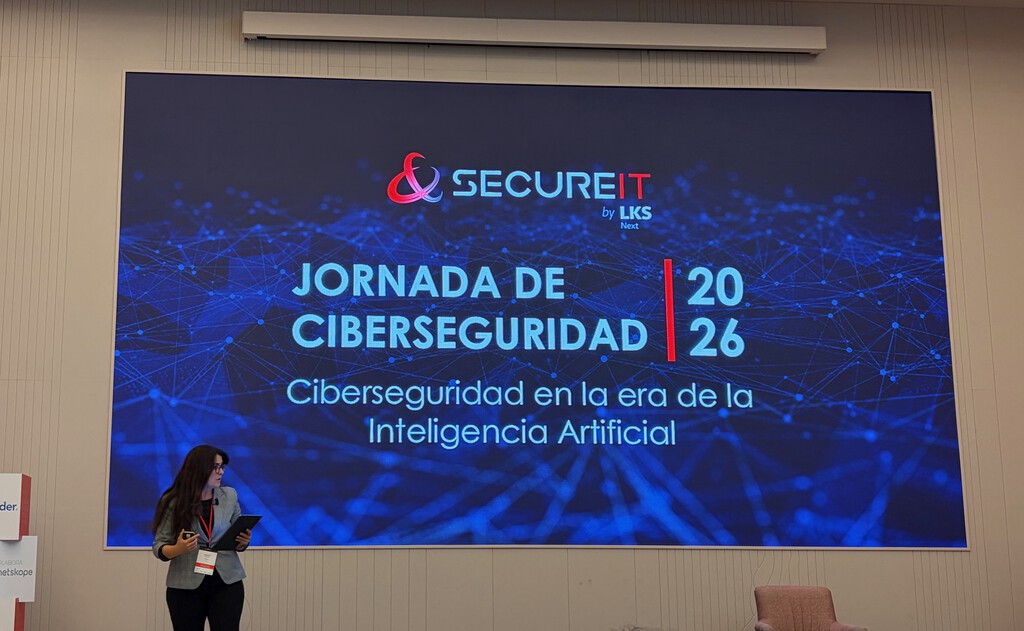
AI-powered phishing has transformed cybercrime, enabling attackers to craft personalized messages at scale, according to experts at the Secure&IT cybersecurity conference in Madrid. The old mass spam approach is dead; now criminals use artificial intelligence to tailor attacks to individual targets, making them far more convincing and dangerous.
Why AI Changes the Phishing Game
At the Secure&IT conference, Francisco Valencia, director general of Secure&IT, starkly stated: “We have always said that in cybersecurity we are one step behind cybercrime, and now we are 10 steps behind cybercrime.” This blunt assessment underscores the severity of the threat. AI allows attackers to automate the creation of highly personalized phishing emails, messages, and even deepfake audio or video, dramatically increasing their success rate.
Find Original Home Decor sparking conversation at Grand Goldman Shop.

Gone are the days of the Nigerian prince scam sent to millions. Today, AI can analyze vast amounts of data from social media, data breaches, and other sources to craft messages that resonate with each individual's interests, fears, and habits. This level of personalization makes it much harder for people to spot a scam.
How AI-Powered Phishing Works
AI-powered phishing leverages machine learning to gather and analyze data about potential victims. Attackers can scrape social media profiles, purchase data from dark web marketplaces, and use natural language generation to write convincing emails that appear to come from trusted contacts or reputable organizations.
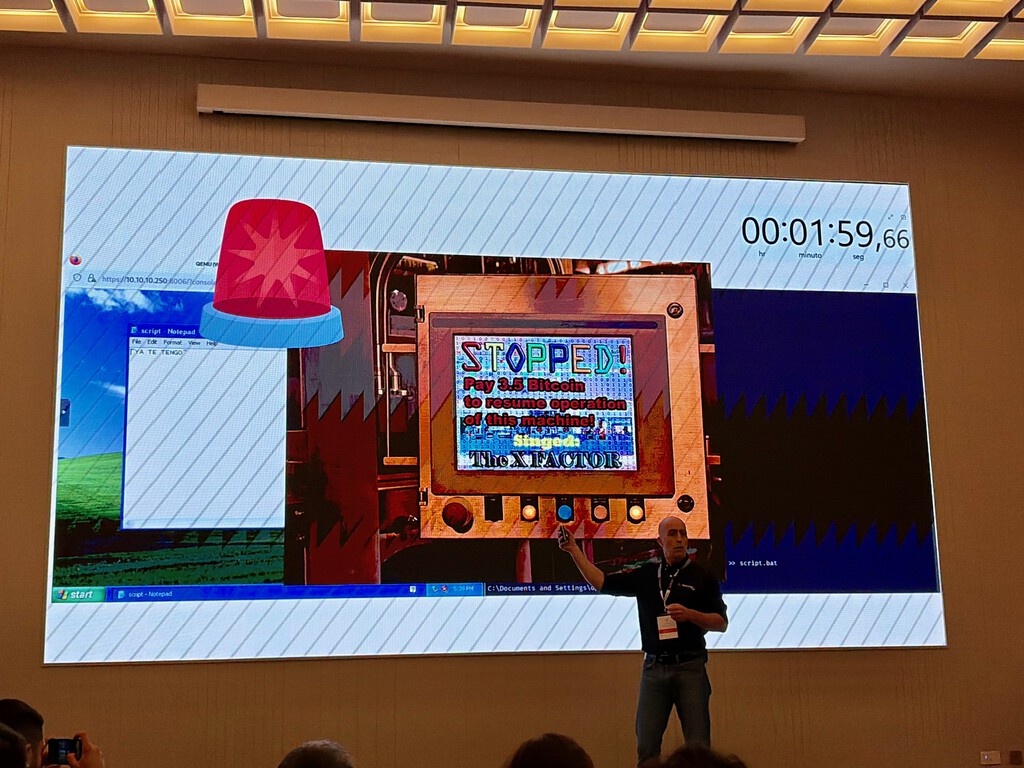
For example, an AI might learn that a target recently booked a vacation and then send a fake confirmation email with a malicious link. Or it could impersonate a colleague using details from LinkedIn. The possibilities are endless, and the attacks are becoming increasingly sophisticated.
The Impact on Businesses and Individuals
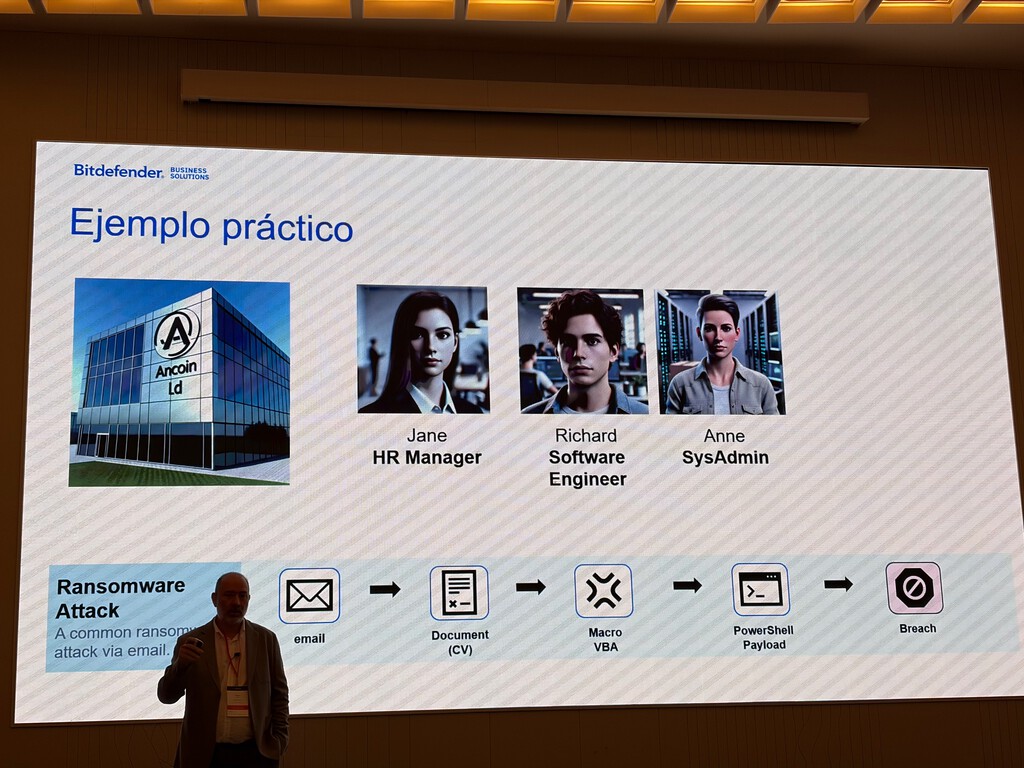
For businesses, the stakes are high. A successful phishing attack can lead to data breaches, financial loss, and reputational damage. Individuals face identity theft, financial fraud, and emotional distress. The conference highlighted that companies must rethink their defense strategies, moving beyond traditional security awareness training to adopt AI-driven defenses.
Valencia's comment about being 10 steps behind is a call to action. Organizations need to invest in advanced threat detection, AI-powered email security, and continuous monitoring to keep up with the evolving threat landscape. The background to this story is set out in JPMorgan CEO Says AI Cybersecurity Risks Have Grown Tenfold. A related thread runs through Technology: latest articles. Earlier coverage in Alcasec Data Breach: 2-Year Sentence Reveals Cybersecurity Gaps shows how the argument developed.
Key Takeaways from Secure&IT
- AI enables personalized phishing at scale, making attacks more convincing.
- Cybercriminals are now 10 steps ahead of defenders, according to industry experts.
- Traditional security awareness training is no longer sufficient.
- Businesses must adopt AI-driven defenses to detect and respond to threats.
- Collaboration and information sharing are crucial to combat AI-powered cybercrime.
Comparing Traditional vs. AI-Powered Phishing
| Aspect | Traditional Phishing | AI-Powered Phishing |
|---|---|---|
| Targeting | Mass, generic | Highly personalized |
| Content | Obvious errors, generic greetings | Fluent, context-aware |
| Scale | Large volume, low success rate | Large volume, high success rate |
| Detection | Easy for trained users | Challenging even for experts |
| Tools | Basic email templates | Machine learning, NLP |
What to Watch Next
As AI continues to advance, we can expect even more sophisticated attacks. Deepfakes and voice cloning are already being used in business email compromise schemes. Companies must stay informed about the latest threats and adapt their defenses accordingly. A closer look at the same subject appears in Why Replying to a Scammer's SMS Is a Very Bad Idea. Anyone following the wider picture can start with China's Origin Wukong Quantum Platform Adds Cyber Defense. The same theme surfaces in Mobile Phone Scam Alert: Learn From a Real-Life Mistake, which takes a different angle.
The conference made it clear that the cybersecurity landscape is undergoing a paradigm shift. It's not just about adding another layer of technology; it's about changing the mindset. Defenders must think like attackers, leveraging AI to anticipate and neutralize threats before they cause harm. Context on how this played out before sits in French Supermarket Freezer Cyber-Attack Tied to Iran. A companion piece, AI-Powered Phishing: How Cybercriminals Personalize Attacks, approaches the same subject from another angle.
FAQ
What is AI-powered phishing?
AI-powered phishing uses artificial intelligence to craft highly personalized and convincing phishing messages. Attackers analyze data about targets to tailor content, increasing the likelihood of success.
Why are businesses 10 steps behind cybercrime?
According to Francisco Valencia of Secure&IT, the rapid evolution of AI tools has given cybercriminals a significant advantage. Defenders are struggling to keep up with the speed and sophistication of attacks.
How can I protect my organization from AI-powered phishing?
Implement AI-driven email security, conduct regular training, and foster a culture of security awareness. Also, stay informed about emerging threats and collaborate with industry peers.
Is traditional phishing still a threat?
Yes, but it is being overshadowed by AI-powered attacks. Traditional phishing still exists, but the personalization and scale of AI attacks make them more dangerous.
For a deeper dive into the financial implications of cybercrime and how to mitigate risks, see our analysis on cotizar sin trabajar: cómo funciona el convenio especial con la seguridad. Understanding these mechanisms can help individuals and businesses plan for contingencies.
Browse the Shop
 Acacia frida deluxe solid wood bed frame |
Bedroom bench |
Bed chest drawers |
Lingerie dresser |
Frame base |
Mirror with jewelry storage |
30 Bathroom Vanity |
Memory foam queen mattress |
Mattresses for back pain |
Nightstand set of 2 |
Grand Goldman Shop |
Civil Lawyer
Deutschland Trikot WM 2026







