

China is turning to RISC-V, an open-source chip architecture, to reduce its dependence on Arm and x86 designs and circumvent US sanctions. This strategic move is gaining unexpected support from a US company, MIPS, which is collaborating with Chinese firms and research institutes.
Why China is Betting on RISC-V
RISC-V offers an open alternative to proprietary architectures like Intel and AMD's x86-64 and Arm's CPU designs. For China, this represents a chance to sustain technological development despite sanctions led by the US. The Chinese government has established a consortium of companies and research institutes to develop chips using RISC-V.
Find Original, High-end Home Decor that spark conversation at Grand Goldman Shop.
Tencent, Alibaba, and the Chinese Academy of Sciences are among the organizations working on RISC-V processors. The US administration is concerned because this technology could be used to build extremely powerful supercomputers.
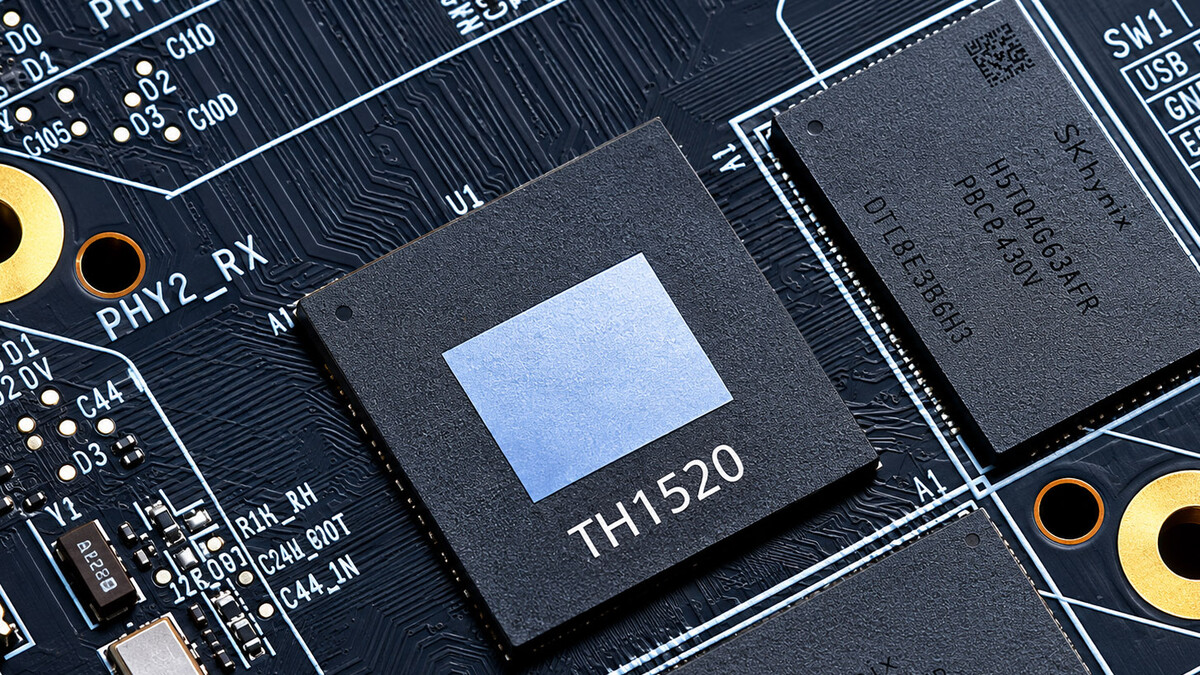
The US Connection: MIPS and GlobalFoundries
Surprisingly, MIPS, a US-based company owned by GlobalFoundries, is working closely with Chinese companies and research centers. MIPS specializes in RISC-V processor design and is helping Chinese entities develop their own chips.
This collaboration raises questions about the effectiveness of US sanctions and the complexities of the global semiconductor supply chain. The longer history behind the story is traced in Alibaba's RISC-V Chips Hit 6 Billion Units in AI Push.
Europe's RISC-V Efforts: EPAC
Europe is also investing in RISC-V. The European Processor Accelerator (EPAC) is the first European RISC-V chip, designed for future European supercomputers. This shows that RISC-V is gaining global traction as a foundation for high-performance computing. The background to this story is set out in China Succession Crisis: Family Businesses Face Uncertain Future. A related thread runs through US Sanctions on Iran Target Global Economic Ties. Earlier coverage in Technology: latest articles shows how the argument developed.
Key Takeaways
- China is using RISC-V to bypass US sanctions and reduce reliance on Arm and x86.
- Chinese tech giants like Tencent and Alibaba are developing RISC-V chips.
- MIPS, a US company, is assisting Chinese RISC-V development.
- Europe's EPAC chip demonstrates RISC-V's potential in supercomputing.
- US concerns focus on RISC-V's use in advanced supercomputers.
Comparing Chip Architectures
| Architecture | License | Primary Users | Notable Projects |
|---|---|---|---|
| x86-64 | Proprietary | Intel, AMD | Most PCs and servers |
| Arm | Proprietary | Arm Holdings | Mobile devices, embedded systems |
| RISC-V | Open-source | Global consortium | EPAC, Chinese supercomputers |
What This Means for the Tech Industry
The collaboration between MIPS and Chinese entities highlights the challenges of enforcing technology sanctions. It also underscores the growing momentum behind open-source hardware. A closer look at the same subject appears in Apple Blocks AI Agents Over Security and Privacy Concerns. Anyone following the wider picture can start with Spotify Audiobooks Spain: Non-Exclusive Strategy Redefines Streaming. The same theme surfaces in Spain Opens the Black Box of Workplace Algorithms, which takes a different angle.
As RISC-V matures, it could disrupt the dominance of established architectures and reshape the global semiconductor landscape. Context on how this played out before sits in ASML Shares Fall as US Eyes Tighter China Semiconductor Export Rules. A companion piece, China's RISC-V Strategy to Bypass US Sanctions Gets US Help, approaches the same subject from another angle.
FAQ
What is RISC-V?
RISC-V is an open-source instruction set architecture (ISA) that allows anyone to design and manufacture chips without licensing fees. It is seen as a competitor to proprietary architectures like x86 and Arm.
Why is China interested in RISC-V?
China is interested in RISC-V because it provides an open alternative that can help the country bypass US sanctions and reduce dependence on foreign chip designs. It also fosters domestic innovation and self-sufficiency.
How is MIPS involved?
MIPS, a US-based company owned by GlobalFoundries, designs RISC-V processors and is collaborating with Chinese companies and research institutes to develop RISC-V-based chips.
What are the concerns for the US?
The US is concerned that RISC-V technology could be used by China to build advanced supercomputers, potentially undermining national security and export controls.
Browse the Shop
 Acacia frida deluxe solid wood bed frame |
Bedroom bench |
Bed chest drawers |
Lingerie dresser |
Frame base |
Mirror with jewelry storage |
30 Bathroom Vanity |
Memory foam queen mattress |
Mattresses for back pain |
Nightstand set of 2 |
Grand Goldman Shop |
Civil Lawyer
Deutschland Trikot WM 2026










