

The EU Packaging and Packaging Waste Regulation (PPWR) is set to impose a significant new burden on small businesses across Europe. Effective from August 12, 2025, this law requires companies that ship products within the EU to ensure their packaging is recyclable and to take responsibility for its end-of-life management in each destination country. For artisans and small merchants, the costs and administrative hurdles could be overwhelming.
What Is the PPWR and Why Does It Matter?
The Packaging and Packaging Waste Regulation (PPWR), officially Regulation (EU) 2025/40, entered into force on February 11, 2025, and applies from August 12, 2025. It governs the materials and design of all packaging in the EU and how it must be recycled to promote sustainability.
Find Original Home Decor sparking conversation at Grand Goldman Shop.

The regulation aims to reduce packaging waste and increase recycling rates across the union. However, its broad scope means that any business selling goods within the EU must comply, regardless of size.
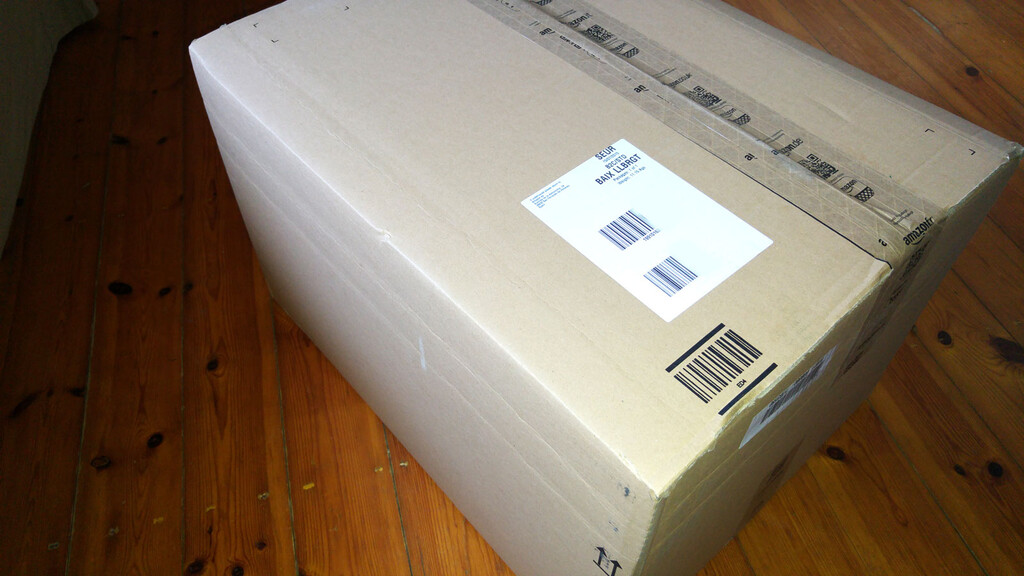
Extended Producer Responsibility (EPR): A New Obligation
Under the PPWR, all businesses that trade within the EU must assume Extended Producer Responsibility (EPR) for their products each time they enter a new country. This means they must ensure that the packaging is collected and recycled in the destination country.
For small businesses, this translates into a requirement to have an authorized representative in each EU country where they sell. This representative is responsible for ensuring compliance with recycling obligations, which can be a costly and complex endeavor.
Impact on Small Businesses and Artisans
The PPWR is particularly challenging for small merchants and artisans who sell across borders. Unlike large corporations with dedicated compliance teams, small businesses often lack the resources to navigate the intricate web of national recycling systems.
The need to appoint a representative in each country adds a layer of bureaucracy and expense. For many, this could mean the difference between expanding their market and retreating to domestic sales only.
Key Takeaways for Small Businesses
- New obligations: Businesses must ensure packaging is recyclable and take responsibility for its recycling in each EU country they sell to.
- Authorized representative: A representative must be appointed in each country, adding administrative and financial burdens.
- Compliance costs: Small businesses may face significant costs to comply, potentially limiting their ability to sell cross-border.
- Timeline: The regulation applies from August 12, 2025, so preparation is urgent.
Comparing the Burden: Small vs. Large Businesses
The table below highlights the differences in compliance challenges between small and large businesses under the PPWR. The background to this story is set out in Trump Tariffs 2025: Why Small Businesses Are Unfazed. A related thread runs through Trump Tariffs 2025: Why Small Businesses Are Unfazed Now. Earlier coverage in Trump's New Tariffs: Why Small Businesses Are Unfazed shows how the argument developed.
| Aspect | Small Businesses | Large Corporations |
|---|---|---|
| Compliance Resources | Limited staff and budget | Dedicated compliance departments |
| Authorized Representative | Costly and complex to appoint in each country | Can leverage existing subsidiaries or legal teams |
| Packaging Redesign | May lack expertise and funds for eco-design | Can invest in R&D for sustainable packaging |
| Impact on Cross-Border Sales | Potential reduction or withdrawal from certain markets | Ability to absorb costs and continue expansion |
What to Watch Next
As the August 2025 deadline approaches, small businesses must assess their obligations and explore cost-effective compliance solutions. Industry groups are calling for exemptions or support for small enterprises, but it remains to be seen if such measures will be adopted. A closer look at the same subject appears in Royal Mail Bulk Price Hike Hits NHS and Businesses Hard. Anyone following the wider picture can start with Australia Packaging Laws Delay Sparks Outrage Over Plastic Waste. The same theme surfaces in Trump's Tax Cuts Favor Millionaires, Not Small Business, which takes a different angle.
Staying informed about national implementation and any updates to the regulation is crucial. Businesses should also consider joining trade associations that can provide guidance and advocacy. Context on how this played out before sits in Trump Tariffs Lawsuit: Small Businesses Sue Administration. A companion piece, Why a Small Interest Rate Hike Won't Hurt Most Small Businesses, approaches the same subject from another angle.
FAQ
What is the PPWR?
The PPWR is the EU's Packaging and Packaging Waste Regulation (EU) 2025/40, which sets rules for packaging design and recycling across the EU. It aims to reduce waste and promote sustainability.
When does the PPWR apply?
The regulation entered into force on February 11, 2025, and applies from August 12, 2025. Businesses must comply from that date.
Who is affected by the PPWR?
Any business that sells goods within the EU, including small merchants and artisans, must comply. This includes ensuring packaging is recyclable and taking responsibility for its recycling in each destination country.
What is Extended Producer Responsibility (EPR)?
EPR is a principle that holds producers responsible for the environmental impact of their products throughout their lifecycle, including packaging waste management. Under the PPWR, businesses must ensure their packaging is collected and recycled in each EU country they sell to.
Browse the Shop
 Acacia frida deluxe solid wood bed frame |
Bedroom bench |
Bed chest drawers |
Lingerie dresser |
Frame base |
Mirror with jewelry storage |
30 Bathroom Vanity |
Memory foam queen mattress |
Mattresses for back pain |
Nightstand set of 2 |
Grand Goldman Shop |
Civil Lawyer
Deutschland Trikot WM 2026







