

Ditching US tech and embracing European alternatives is a growing trend among privacy-conscious users. After realizing how much of our digital lives depend on American platforms like Google, Meta, Microsoft, and Amazon, many are seeking ways to reduce that dependency and support European or open-source solutions. This article explores practical steps to achieve digital sovereignty.
Why Reduce Dependency on US Tech?
Every search, chat, and email often flows through US-based servers, subject to US laws and data practices. This concentration raises concerns about privacy, data control, and even market dominance. By shifting to European alternatives, users can keep data within the EU's strict privacy framework (GDPR) and support local innovation.
Find Original, High-end Home Decor that spark conversation at Grand Goldman Shop.
Moreover, relying on a few giants limits competition and innovation. European alternatives often prioritize transparency and user control, offering a refreshing change from ad-driven models.

Key Areas to Switch and European Alternatives
You don't need to change everything overnight. Start with the services you use most: search, email, messaging, and cloud storage. Here are some European options:

- Search: Qwant (France) or Ecosia (Germany) for privacy-focused search.
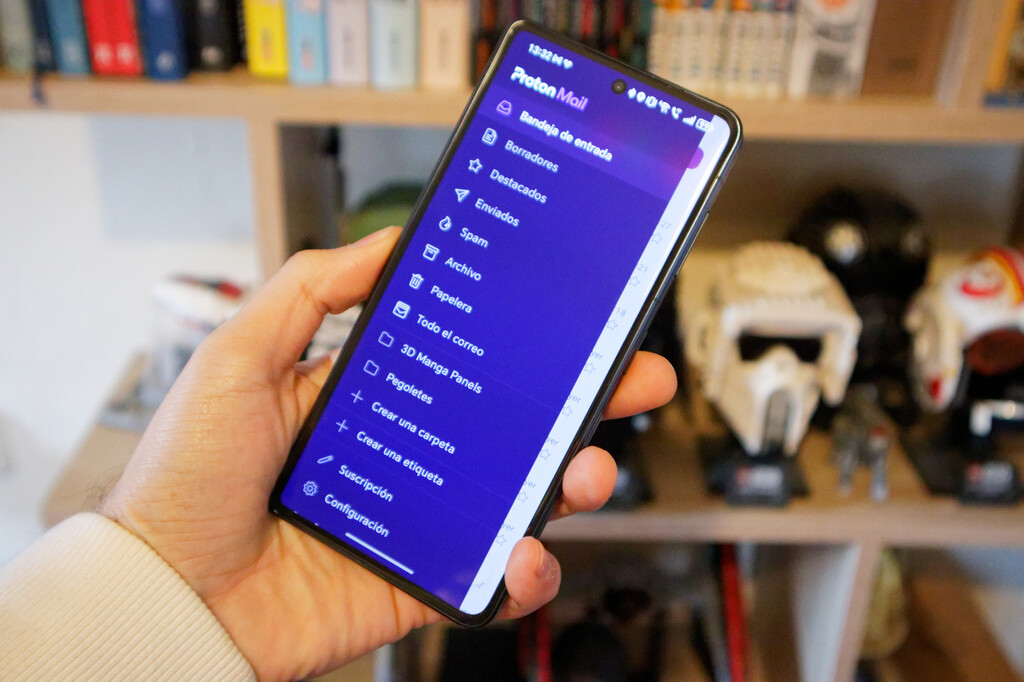
- Email: ProtonMail (Switzerland) or Tutanota (Germany) for encrypted email.
- Messaging: Element (Matrix protocol, UK/EU) or Wire (Switzerland/Germany) for secure chat.
- Cloud Storage: Nextcloud (Germany) or ownCloud (Germany) for self-hosted or hosted solutions.
- Operating System: Linux distributions like Ubuntu (UK) or openSUSE (Germany) for PCs.
Each alternative has its own strengths. For instance, ProtonMail offers end-to-end encryption, while Nextcloud provides a full productivity suite.
Comparing US vs. European Tech: Privacy and Features
When switching, consider trade-offs in features, ecosystem integration, and cost. The table below highlights key differences.
| Service | US Example | European Alternative | Privacy Focus | Ecosystem |
|---|---|---|---|---|
| Search | Qwant | No tracking, EU-based | Limited | |
| Gmail | ProtonMail | End-to-end encryption | Growing | |
| Messaging | Element | Decentralized, encrypted | Open source | |
| Cloud | Google Drive | Nextcloud | Self-hosted option | Full suite |
| OS | Windows/macOS | Linux (Ubuntu) | Open source | Customizable |
While European alternatives may lack some polish, they excel in privacy and data control. Many are open source, allowing community audits.
Steps to Transition Smoothly
Transitioning requires planning. Start by identifying which services are critical and which you can replace easily. For example, switching your search engine is simple and immediate. Email migration may take longer due to contacts and archives.
Set up new accounts, forward old emails, and notify contacts. Use password managers to manage new logins. Consider using a European VPN for added privacy.
Don't forget mobile: Android without Google (e.g., /e/OS) or Linux-based phones like PinePhone offer alternatives, though app compatibility varies.
Challenges and Considerations
Switching isn't without hurdles. Some European services have fewer features or smaller user bases, leading to network effects. For instance, messaging apps require your contacts to join too.
Data migration can be tedious, and learning new tools takes time. However, the growing ecosystem and community support ease the process. Many alternatives offer import tools and guides. The background to this story is set out in Technology: latest articles.
Also, consider hybrid approaches: keep some US services for specific needs while replacing others. The goal is reducing dependency, not perfection. A related thread runs through Lenovo Idea Tab Pro Gen 2 Review: The Android Tablet That Works. Earlier coverage in How to Ditch US Tech and Embrace European Alternatives shows how the argument developed.
FAQ
What are the best European alternatives to Google Search?
Qwant (France) and Ecosia (Germany) are popular privacy-focused search engines. They don't track users and are based in the EU.
Can I use European email services with my existing email address?
Yes, many services like ProtonMail allow you to forward from your old address or set up custom domains. You'll need to update contacts gradually.
Is it possible to replace WhatsApp with a European messaging app?
Yes, apps like Element (using Matrix) or Wire offer secure messaging. However, adoption depends on your contacts; you may need to convince them to switch.
What about mobile operating systems?
Options include /e/OS (France) or Linux-based phones like PinePhone. They offer de-Googled experiences but may have limited app compatibility.
What to Watch Next
As more users seek digital sovereignty, European alternatives are evolving. Keep an eye on new features, partnerships, and government initiatives promoting EU tech. The journey to independence is gradual, but each step counts.
Start small, stay informed, and join communities advocating for privacy and local tech. Your data—and Europe's tech landscape—will thank you.
Browse the Shop
 Acacia frida deluxe solid wood bed frame |
Bedroom bench |
Bed chest drawers |
Lingerie dresser |
Frame base |
Mirror with jewelry storage |
30 Bathroom Vanity |
Memory foam queen mattress |
Mattresses for back pain |
Nightstand set of 2 |
Grand Goldman Shop |
Civil Lawyer
Deutschland Trikot WM 2026










