

OpenAI is facing an espionage case after a hidden microphone was found in a conference room, leading to the arrest of a Saudi engineer. The incident, which came to light on October 13 when the U.S. Department of Justice announced the detention of Abdulrahman Alfozan, has raised suspicions of international spying and put a spotlight on corporate security in the AI industry.
What Happened: Discovery of the Hidden Microphone
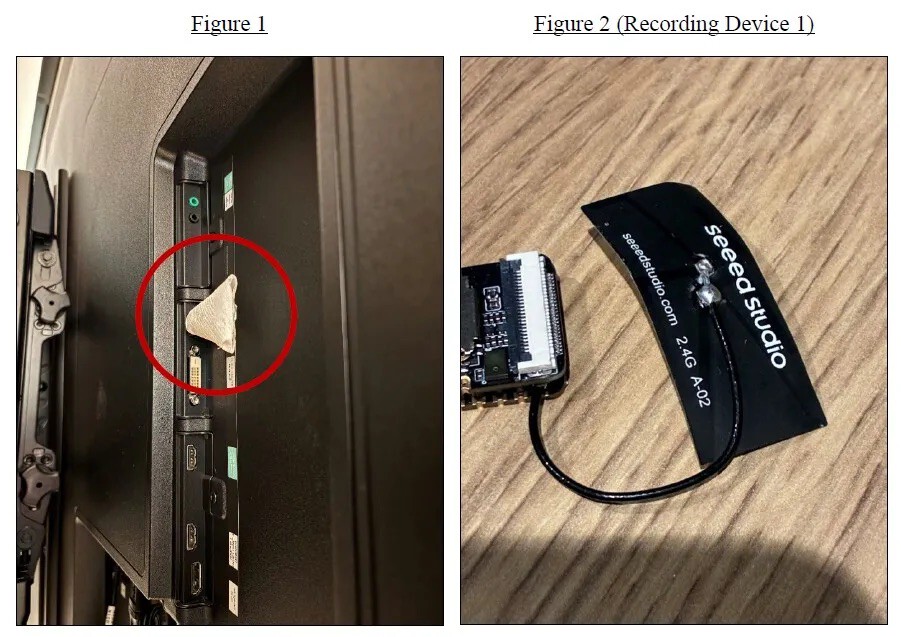
In early October, a security sweep at OpenAI uncovered a recording device plugged into the USB port of a television in an executive meeting room. The device was wrapped in toilet paper, according to reports, and was discovered just days before Alfozan's arrest. The company had been monitoring the room after noticing suspicious activity.
Find Original, High-end Home Decor that spark conversation at Grand Goldman Shop.

Alfozan, a 35-year-old Saudi national, had been working at OpenAI since July 2025 on the product team. He did not have authorization to access the executive meeting room, which raised red flags when security cameras identified him multiple times in September loitering near the door and peering through the glass at the back of the television where the device was later found.
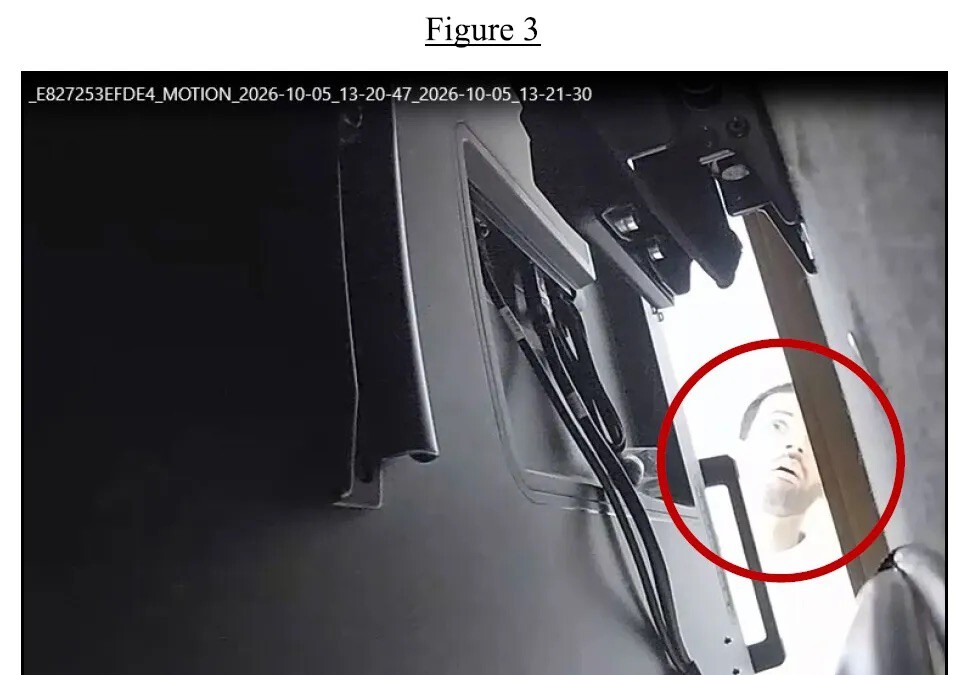
Who Is Abdulrahman Alfozan?
Abdulrahman Alfozan was employed by OpenAI as an engineer on the product team starting in July 2025. Before that, not much is publicly known about his background, but his role gave him access to sensitive areas of the company. According to the Justice Department, he was arrested in connection with the hidden microphone.
OpenAI had been gradually limiting Alfozan's access to systems and rooms as suspicions grew, eventually suspending him entirely before his arrest. The company's internal security team had been tracking his movements after the discovery of the device, and the FBI was brought in to investigate.
Why It Matters: Espionage Concerns and Saudi Connection
The case has raised concerns about international espionage, particularly given Alfozan's Saudi nationality. While no official link to the Saudi government has been confirmed, the incident echoes past cases of corporate espionage involving foreign nationals. Saudi Arabia has been actively investing in AI and technology, and the case may strain relations between the U.S. and Saudi Arabia in the tech sector.
For OpenAI, the breach is a significant security failure. The company has been at the forefront of AI development, and its internal discussions and strategies are highly valuable. The presence of a recording device in an executive meeting room suggests that sensitive information may have been compromised, although it is not yet clear what, if anything, was recorded. The longer history behind the story is traced in Crypto Wallet Backdoor Attack Steals $100 Million in Funds.
The incident also highlights the challenges tech companies face in securing their premises against insider threats. Even with background checks and access controls, determined individuals can find ways to breach security. OpenAI has not commented publicly on the specifics of the case, but it is likely reviewing its security protocols. The background to this story is set out in UK Man Charged Under National Security Act for Russia Espionage. A related thread runs through Saudi Arabia 9/11 Accountability: Families Demand Justice. Earlier coverage in Houthi Retaliation Threatens Saudi Arabia After Yemen Strikes shows how the argument developed.
What to Watch Next
The investigation is ongoing, and more details are expected to emerge in the coming weeks. Key questions include: What was the intended target of the recording device? Was Alfozan acting alone or as part of a larger operation? And what will be the diplomatic fallout between the U.S. and Saudi Arabia? A closer look at the same subject appears in Iran-Backed Houthis Missile Attack on Saudi Arabia: Tensions. Anyone following the wider picture can start with Iran-Backed Houthis Claim Missile Attack on Saudi Arabia. The same theme surfaces in Trump Nuclear Deal with Saudi Arabia Sparks Congressional, which takes a different angle.
OpenAI is also likely to face scrutiny from regulators and the public. The company has been a leader in AI safety and ethics, and this incident could damage its reputation. It remains to be seen how OpenAI will respond and whether it will implement new security measures. Context on how this played out before sits in Saudi Arabia Flight Suspension After Houthi Airport Attack. A companion piece, Saudi Arabia Prepares Sea and Land Offensive Against Houthis, approaches the same subject from another angle.
- OpenAI discovered a hidden microphone in an executive meeting room in early October.
- Abdulrahman Alfozan, a Saudi engineer, was arrested and charged in connection with the device.
- Security cameras caught Alfozan near the room multiple times in September.
- The case has raised concerns about international espionage and insider threats.
- OpenAI had been limiting Alfozan's access before his arrest.
| Key Fact | Detail |
|---|---|
| Date of arrest announcement | October 13 |
| Suspect | Abdulrahman Alfozan, 35, Saudi national |
| Employment | OpenAI product team since July 2025 |
| Device found | Recording device in USB port of TV, wrapped in toilet paper |
| Location | Executive meeting room |
| Security response | Access limited, then suspended before arrest |
FAQ
What was the hidden device found at OpenAI?
The device was a recording device, essentially a microphone, plugged into the USB port of a television in an executive meeting room. It was wrapped in toilet paper, presumably to conceal it.
Who is Abdulrahman Alfozan?
He is a 35-year-old Saudi engineer who worked at OpenAI on the product team since July 2025. He was arrested in connection with the hidden microphone and is suspected of espionage.
Why is this case significant?
It raises concerns about international espionage and insider threats at major tech companies. It also highlights the challenges of securing sensitive information in the AI industry.
What happens next in the OpenAI espionage case?
The investigation is ongoing, and authorities will determine whether Alfozan acted alone or with others. OpenAI is expected to review its security measures and may face regulatory scrutiny.
Browse the Shop
 Acacia frida deluxe solid wood bed frame |
Bedroom bench |
Bed chest drawers |
Lingerie dresser |
Frame base |
Mirror with jewelry storage |
30 Bathroom Vanity |
Memory foam queen mattress |
Mattresses for back pain |
Nightstand set of 2 |
Grand Goldman Shop |
Civil Lawyer
Deutschland Trikot WM 2026
Acacia frida deluxe solid wood bed frame |
Bedroom bench |
Bed chest drawers |
Lingerie dresser |
Frame base |
Mirror with jewelry storage |
30 Bathroom Vanity |
Memory foam queen mattress |
Mattresses for back pain |
Nightstand set of 2 |
Grand Goldman Shop |
Civil Lawyer
Deutschland Trikot WM 2026










