

A 15-year-old developer from Almería, Spain, has launched an open source graphing calculator project that could disrupt the expensive graphing calculator market. Juan Ramón, known online as El-EnderJ, created NumOS, an operating system for the ESP32-S3 microcontroller, aiming to build a professional-grade scientific and graphing calculator for about $20—compared to the $150 models from Texas Instruments and HP.
The project, which is only a couple of months old, is already generating buzz among tech enthusiasts and students tired of paying premium prices for outdated technology.
Find Original Home Decor sparking conversation at Grand Goldman Shop.

Why a Teenager Took On the Graphing Calculator Oligopoly
Juan Ramón told reporters that he doesn't even need a graphing calculator yet—he's only 15. But he was motivated by what he calls "a great injustice": the high cost of graphing calculators that have barely evolved in decades.
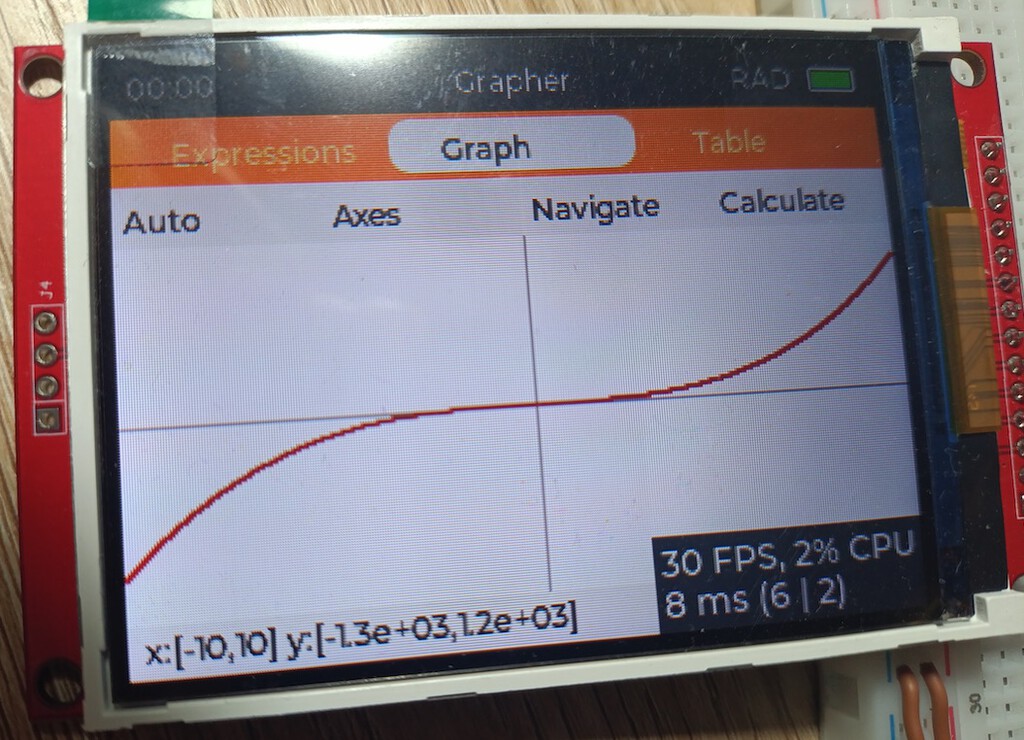
"I did it simply because of that great injustice," he said. The sentiment resonates with many who remember spending €150 or more on a TI-86 in the early 2000s, only to find that today's models offer marginal improvements at the same steep price.

What Is NumOS and How Does It Work?
NumOS is not a smartphone app or a web tool; it's a physical hardware project. The system runs on the ESP32-S3, a low-cost but powerful microcontroller with Wi-Fi and Bluetooth capabilities. Users can assemble the calculator themselves and program it from scratch.
The goal is to create a fully functional scientific and graphing calculator that can handle complex math, matrices, and graphing—just like commercial models—but at a fraction of the cost.
Key Features and Components
- Open source software: NumOS is fully customizable and free to use.
- ESP32-S3 microcontroller: Provides ample processing power and connectivity.
- DIY assembly: Users build the hardware themselves, keeping costs low.
- Professional-grade functionality: Aims to match the capabilities of $150 calculators.
- Community-driven development: The project is still in its early stages and welcomes contributions.
How NumOS Compares to Traditional Graphing Calculators
The table below highlights the stark difference in price and approach between NumOS and established brands.
| Feature | NumOS (DIY) | Texas Instruments TI-84 | HP Prime |
|---|---|---|---|
| Price | ~$20 | ~$150 | ~$150 |
| Software | Open source | Proprietary | Proprietary |
| Hardware | ESP32-S3 based | Custom ASIC | Custom ASIC |
| Customizability | High (user programmable) | Limited | Limited |
| Connectivity | Wi-Fi, Bluetooth | USB | USB |
While commercial calculators offer polished interfaces and warranties, NumOS provides a platform for learning and tinkering at an unbeatable price.
Who Benefits from This Project?
Students, especially those in engineering and math fields, stand to gain the most. The high cost of graphing calculators has long been a barrier for many. A $20 alternative could democratize access to advanced math tools. Context on how this played out before sits in Teen's Open Source Calculator Takes on $150 Graphing Giants.
Educators and hobbyists also benefit: the open source nature allows for customization and experimentation, turning a calculator into a learning platform for coding and electronics. The background to this story is set out in Raspberry Pi Price Surge: How ESP32 Became the Go-To Chip for DIY. A related thread runs through Technology: latest articles.
Challenges and the Road Ahead
NumOS is still in its infancy. Building a calculator from scratch requires significant effort: designing the PCB, writing firmware, and ensuring reliability. Juan Ramón acknowledges that the project is a work in progress and invites others to contribute. Earlier coverage in Why I Switched to LibreOffice After 20 Years of Microsoft Office shows how the argument developed. A closer look at the same subject appears in EU Removable Phone Batteries Rule 2027: What It Means for You.
There are also practical hurdles: schools may not accept DIY calculators for standardized tests, and the learning curve for assembly could deter some users. However, the potential for disruption is real. Anyone following the wider picture can start with Smartphone Market Faces Worst Year in History as Sales Plunge. The same theme surfaces in EU Tech Sovereignty Plan: Four Measures to Cut US Dependence, which takes a different angle.
FAQ
What is NumOS?
NumOS is an open source operating system for the ESP32-S3 microcontroller that aims to create a low-cost graphing calculator. It is a DIY hardware project that users can build and program themselves.
How much does the NumOS calculator cost?
The estimated cost is around $20, compared to $150 for commercial graphing calculators. This price includes the ESP32-S3 board and basic components, though users may need additional parts like a display and keypad.
Can NumOS be used for school exams?
Currently, it's unlikely that standardized testing boards would approve a DIY calculator. However, it could be a valuable learning tool for classroom projects and homework.
Who is behind NumOS?
NumOS was created by Juan Ramón, a 15-year-old developer from Almería, Spain, known online as El-EnderJ. The project is open source and welcomes contributions from the community.
Browse the Shop
 Acacia frida deluxe solid wood bed frame |
Bedroom bench |
Bed chest drawers |
Lingerie dresser |
Frame base |
Mirror with jewelry storage |
30 Bathroom Vanity |
Memory foam queen mattress |
Mattresses for back pain |
Nightstand set of 2 |
Grand Goldman Shop |
Civil Lawyer
Deutschland Trikot WM 2026







