

The oldest known mummies have been discovered in Southeast Asia, dating back up to 12,000 years, according to a new study published in PNAS. This finding challenges the long-held belief that mummification originated in South America or Egypt.
For decades, the Chinchorro culture of Chile and Peru held the record for the earliest deliberate mummification, around 7,000 years ago. But this new research pushes that timeline back by roughly 5,000 years and shifts the geographical focus to the other side of the Pacific.
Find Original Home Decor sparking conversation at Grand Goldman Shop.

Uncovering the Ancient Mummies of Southeast Asia
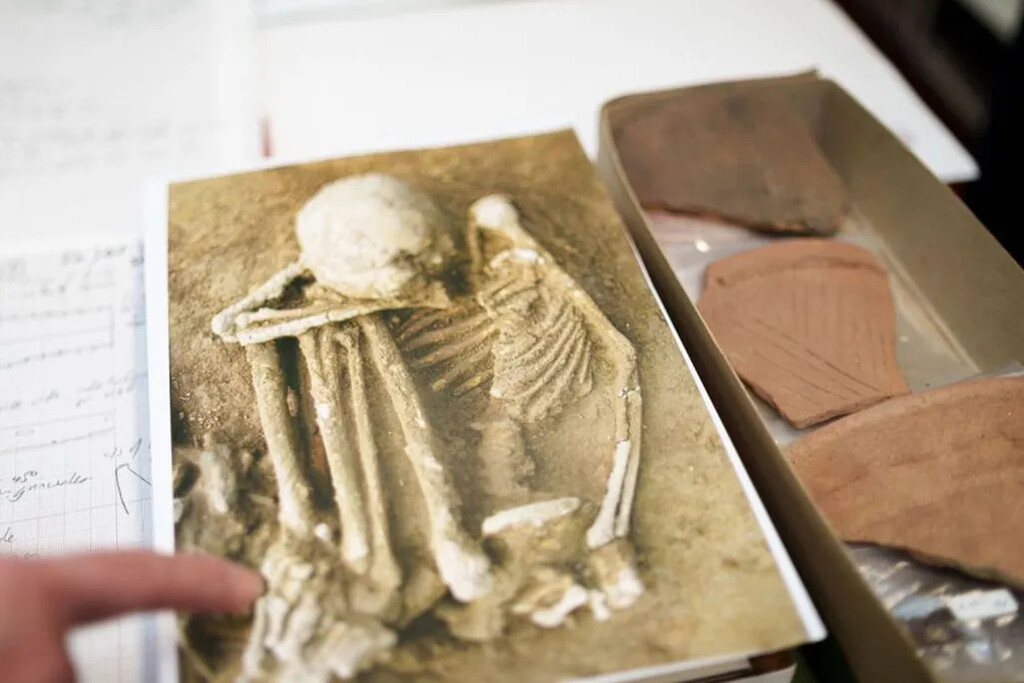
The study examined 54 burials from 11 pre-Neolithic sites across a vast region including southern China, Vietnam, the Philippines, Laos, Thailand, Malaysia, and Indonesia. Many of the skeletons showed signs of deliberate preservation, likely through a smoking process.
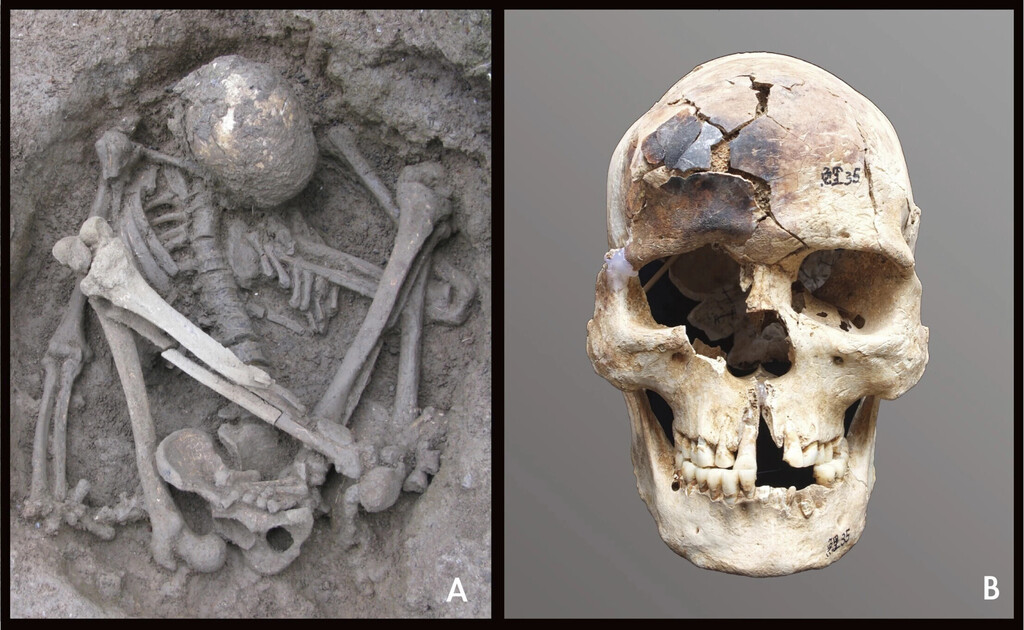
This widespread practice among hunter-gatherer communities suggests that mummification was not a rare or isolated phenomenon but a common funerary tradition in the region.
How Were These Mummies Preserved?
Unlike the elaborate embalming techniques of ancient Egypt, these early mummies were likely preserved using smoke and fire. The bodies may have been dried over smoldering fires, a method that would have effectively desiccated the tissues and prevented decay.
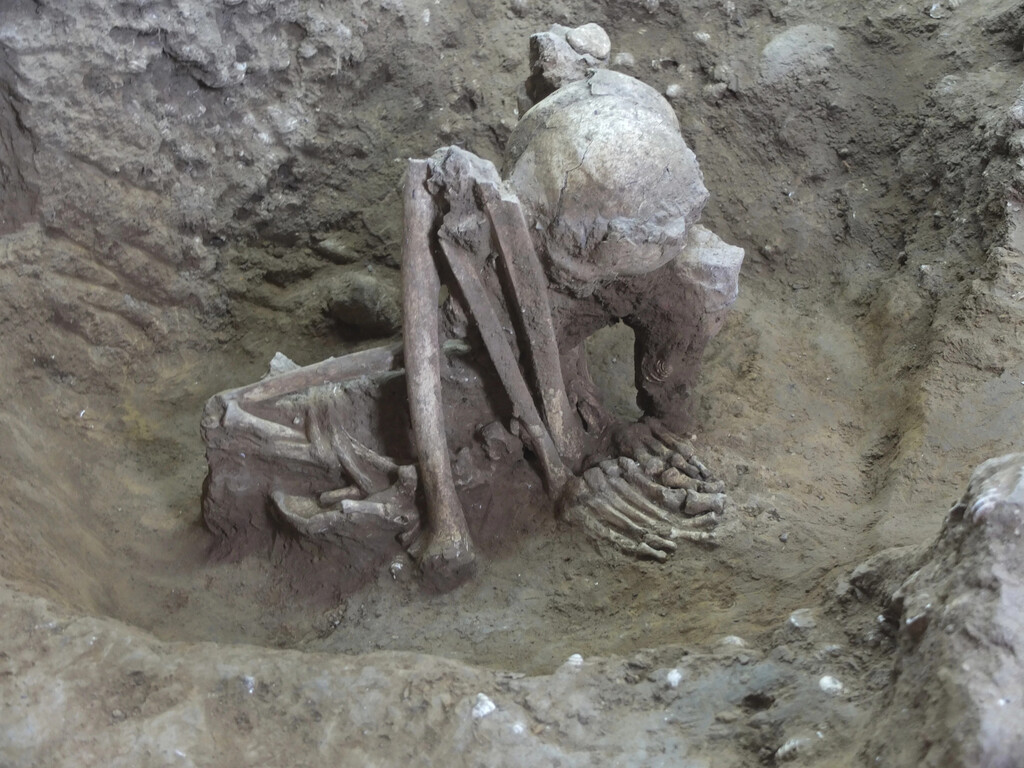
Such techniques align with the lifestyle of hunter-gatherers, who would have utilized available resources like fire and smoke to honor their dead.
Why This Discovery Matters
This finding reshapes our understanding of how and where mummification began. It indicates that the practice emerged independently in multiple parts of the world, rather than spreading from a single origin.
It also highlights the sophistication of hunter-gatherer societies, which are often stereotyped as simple or transient. The effort invested in preserving the dead suggests complex spiritual beliefs and social structures.
- The oldest mummies are now dated to 12,000 years ago in Southeast Asia.
- The discovery pushes back the known history of mummification by 5,000 years.
- Hunter-gatherers used smoke to preserve bodies, not chemicals.
- The practice was widespread across southern China and Southeast Asia.
- This challenges the primacy of Egyptian and South American mummification.
Comparing Mummification Practices
| Region | Time Period | Method |
|---|---|---|
| Southeast Asia | 12,000 years ago | Smoking/drying over fire |
| Chile/Peru (Chinchorro) | 7,000 years ago | Artificial mummification |
| Egypt | 4,500 years ago | Embalming with natron and resins |
The table illustrates the diversity of mummification techniques and their independent development across cultures.
What the Researchers Found
The team analyzed the burials for signs of intentional preservation, such as articulated skeletons, flexed positions, and evidence of burning or smoking. The consistency of these features across different sites points to a shared cultural practice.
Radiocarbon dating placed the oldest burials at around 12,000 years old, during the late Pleistocene or early Holocene. The background to this story is set out in Wari and Nazca: Four Mummies Challenge Conquest Theory. A related thread runs through Scam Compound Survivors Still Trapped in Southeast Asia.
Implications for Understanding Ancient Societies
This discovery suggests that early hunter-gatherers in Southeast Asia had a sophisticated understanding of preservation techniques. It also raises questions about the role of mummies in their society—were they revered ancestors, or simply a way to cope with the dead? Earlier coverage in Earthquakes in Southeast Asia – what travelers need to know shows how the argument developed. A closer look at the same subject appears in How AI Could Supercharge Election Risks in Southeast Asia.
Further research may reveal more about the rituals and beliefs associated with these ancient mummies. Anyone following the wider picture can start with Southeast Asia: 10 Essential Travel Tips for a Seamless Stay. The same theme surfaces in Trending: latest articles, which takes a different angle.
FAQ
What is the oldest mummy ever found?
The oldest known mummies are from Southeast Asia, dating back approximately 12,000 years. They were discovered in sites across southern China and Southeast Asia.
How were these ancient mummies preserved?
Researchers believe they were preserved using smoke from fires, which dried the bodies and prevented decomposition. This method differs from the chemical embalming used in ancient Egypt.
Why is this discovery important?
It rewrites the history of mummification, showing that the practice began thousands of years earlier and in a different part of the world than previously thought. It also highlights the cultural complexity of hunter-gatherer societies.
What does this mean for our understanding of ancient cultures?
It suggests that mummification was not limited to agricultural societies with complex hierarchies but was also practiced by hunter-gatherers, indicating a deep spiritual connection to the dead.
Browse the Shop
 Acacia frida deluxe solid wood bed frame |
Bedroom bench |
Bed chest drawers |
Lingerie dresser |
Frame base |
Mirror with jewelry storage |
30 Bathroom Vanity |
Memory foam queen mattress |
Mattresses for back pain |
Nightstand set of 2 |
Grand Goldman Shop |
Civil Lawyer
Deutschland Trikot WM 2026







