

When shopping for a washing machine, the RPM (revolutions per minute) spec often gets overlooked, but it directly impacts drying time and energy use. Higher RPM means faster spinning, but is it worth the extra cost? Let's break it down.
What Does RPM Mean on a Washing Machine?
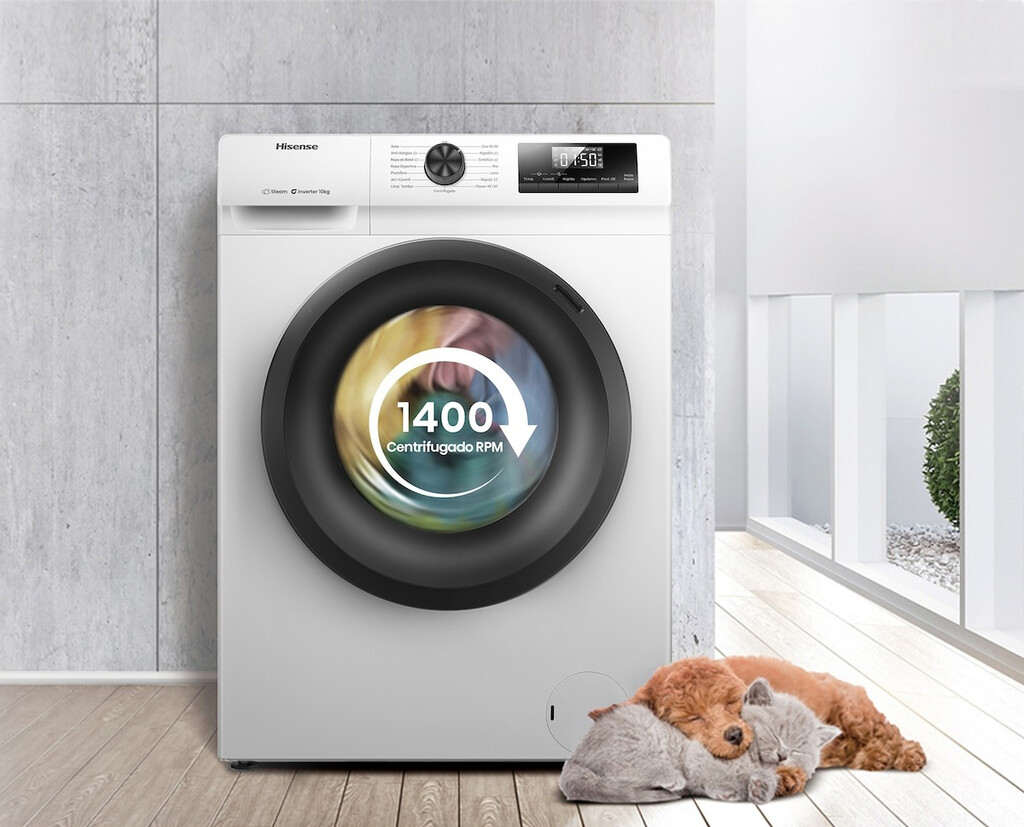
RPM indicates how many times the drum spins per minute during the spin cycle. After washing, the drum rotates at high speed to extract water from clothes via centrifugal force. The higher the RPM, the more water is removed, leaving clothes drier.
Find Original Home Decor sparking conversation at Grand Goldman Shop.

Typical spin speeds range from 1000 to 1600 RPM. Budget models often have 1200 RPM, while premium machines offer 1400 or 1600 RPM.
Why Spin Speed Matters
The spin cycle's efficiency affects how much moisture remains in fabrics. More moisture means longer drying times, whether air-drying or using a tumble dryer. Higher spin speeds can significantly reduce residual moisture, saving time and energy.
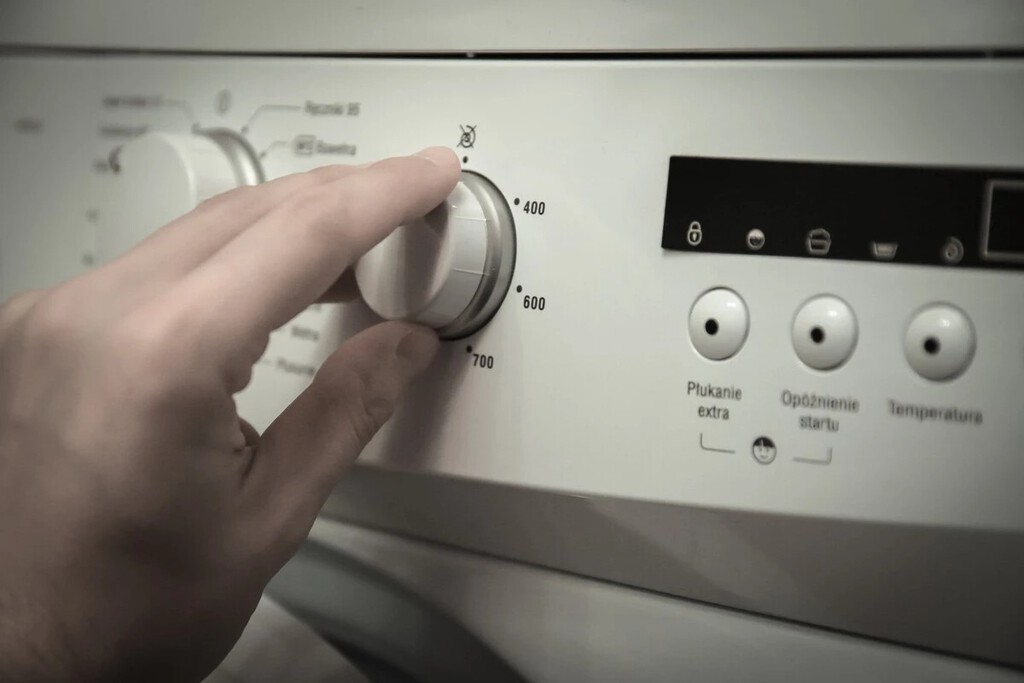
However, higher RPM isn't always better for all fabrics. Delicate items may require lower spin speeds to prevent damage. Most machines offer adjustable spin settings, so you can choose the right speed for each load.
1200 RPM vs 1400/1600 RPM: Key Differences
The main difference is water extraction efficiency. A 1600 RPM spin can remove more water than a 1200 RPM spin, but the gap narrows as speeds increase. Diminishing returns apply: the jump from 1200 to 1400 RPM yields a noticeable improvement, while 1400 to 1600 RPM offers less additional benefit.
Higher RPM also tends to come with better build quality and advanced features, but not always. It's essential to consider overall performance, not just the spin speed.
Is Higher RPM Worth the Extra Cost?
If you frequently wash heavy items like towels or jeans, or if you rely on a dryer, a higher spin speed can save energy and time. The reduced drying time can offset the higher upfront cost over years of use.
For those who air-dry clothes or have delicate fabrics, a 1200 RPM machine may suffice. The extra cost might not justify the marginal benefits. Context on how this played out before sits in 1200 vs 1400/1600 RPM Washers: Is Higher Spin Worth the Extra Cost.
Factors to Consider Beyond RPM
Spin speed is just one factor. Consider drum size, energy rating, noise level, and durability. A well-built 1200 RPM machine can outperform a poorly made 1600 RPM model. The background to this story is set out in Trending: latest articles. A related thread runs through Lidl Black Friday: De'Longhi Coffee Maker at Lowest Price.
Also, check the availability of spin speed adjustments. Being able to select a lower speed for delicates is crucial for fabric care. Earlier coverage in Air Fryer vs Oven: Easy Food Quantity Cost Calculation shows how the argument developed. A closer look at the same subject appears in Why I Chose a Kobo Over a Kindle and Have No Regrets.
Comparison Table: Spin Speeds and Performance
| Spin Speed (RPM) | Residual Moisture (%) | Typical Drying Time (Dryer) | Best For |
|---|---|---|---|
| 1200 | ~50% | Longer | Delicates, occasional heavy loads |
| 1400 | ~45% | Moderate | Mixed loads, families |
| 1600 | ~40% | Shortest | Heavy fabrics, frequent dryer use |
Note: Residual moisture percentages are approximate and vary by machine and load. Anyone following the wider picture can start with Heat Pumps Don't Need Annual Service: Save on Maintenance Costs. The same theme surfaces in Xiaomi Tri-Drum Washer Dryer Hits Europe With Three Drums, which takes a different angle.
Key Takeaways
- Higher RPM reduces residual moisture, cutting drying time and energy use.
- The benefit from 1200 to 1400 RPM is more significant than from 1400 to 1600 RPM.
- Consider your laundry habits: heavy fabrics and dryer use favor higher RPM.
- Delicate fabrics may require lower spin speeds; ensure adjustability.
- Overall build quality and features matter as much as spin speed.
Frequently Asked Questions
Does higher RPM damage clothes?
Higher RPM can be rougher on fabrics, especially delicates. However, most machines allow you to select lower spin speeds for sensitive items. Always check care labels and use appropriate settings.
Can I adjust the spin speed on my washing machine?
Yes, most modern washing machines let you choose from multiple spin speeds. This flexibility allows you to tailor the cycle to the fabric type.
Is a 1600 RPM washing machine noisier?
Generally, higher spin speeds produce more noise and vibration. However, advanced suspension systems in premium models can mitigate this. Check reviews for noise levels.
What spin speed is best for towels?
Towels benefit from high spin speeds (1400-1600 RPM) to remove maximum water, reducing drying time. However, excessive speed may cause excessive wrinkling.
Browse the Shop
 Acacia frida deluxe solid wood bed frame |
Bedroom bench |
Bed chest drawers |
Lingerie dresser |
Frame base |
Mirror with jewelry storage |
30 Bathroom Vanity |
Memory foam queen mattress |
Mattresses for back pain |
Nightstand set of 2 |
Grand Goldman Shop |
Civil Lawyer
Deutschland Trikot WM 2026







