

A 158-carat yellow diamond has been unearthed at a remote mine near the Arctic Circle, just as the operation was preparing to close its doors for good. The discovery, made in early April, is one of the largest yellow diamonds ever found in Canada and comes with an almost unimaginable backstory: the stone is estimated to be around 2 billion years old.
The mine, located in one of the most isolated regions on the planet, had been winding down its activities. This last-minute find has not only rewritten the mine's final chapter but also highlighted the unpredictable nature of diamond mining—where extraordinary treasures can surface when least expected.
Find Original Home Decor sparking conversation at Grand Goldman Shop.

Why This 158-Carat Yellow Diamond Matters
Yellow diamonds are rare, and those of this size are exceptionally so. The stone's 158-carat weight places it among the largest yellow diamonds ever recovered in Canada, a country that has become a significant player in the global diamond industry. But it's not just the size that makes this find remarkable; it's the age.
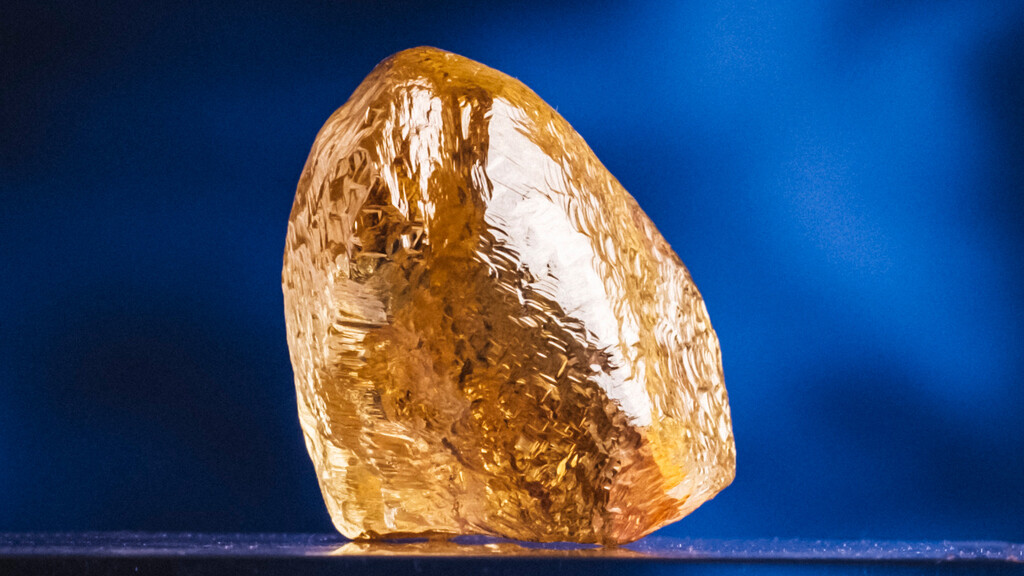
At approximately 2 billion years old, the diamond offers a glimpse into the Earth's ancient past. Such stones are formed deep within the mantle under extreme pressure and temperature, and their journey to the surface is a geological odyssey that spans eons. This particular diamond's age adds a layer of scientific and symbolic value that goes beyond its monetary worth.
The timing of the discovery—just before the mine's closure—adds a poetic twist. It echoes the famous story of the Cullinan Diamond, found in South Africa in 1905 when a mine supervisor spotted a glint in the rock wall. That stone, the largest ever found, was also discovered when no one was actively looking for it. History, it seems, has a way of repeating itself in the most unexpected places.
The Remote Arctic Mine: A Final Surprise
The mine is situated a few kilometers from the Arctic Circle, in a region so remote that logistics alone make operations challenging. For years, it has been a source of diamonds, but as reserves dwindled, the decision to close was made. The discovery of this 158-carat yellow diamond came during the final phases of extraction, when hopes for significant finds had all but faded.
Details about the mine's name and exact location have not been disclosed in the source article, but its Arctic setting is crucial. Canada's Arctic and sub-Arctic regions host several diamond mines, including Diavik and Ekati, which have contributed to the country's status as a top diamond producer. The harsh environment and permafrost add complexity and cost to mining operations, making every find a hard-won victory.
This diamond's recovery not only boosts the mine's legacy but also provides a potential economic windfall. High-quality yellow diamonds can fetch premium prices, and a stone of this size could be worth millions, depending on its clarity, cut, and color intensity. For a mine on the brink of closure, such a find could justify a reassessment of its future—or at least provide a lucrative parting gift.
What Makes Yellow Diamonds Special?
Yellow diamonds get their color from nitrogen atoms trapped in the crystal lattice during formation. The intensity of the yellow depends on the concentration of nitrogen. Stones with vivid, saturated yellow hues are highly prized, often more so than colorless diamonds of similar size.
The 158-carat stone is likely to be classified as a fancy yellow, though its exact grade will be determined by a gemological laboratory. Large yellow diamonds have a storied history: the Tiffany Yellow Diamond, for instance, is a 128.54-carat fancy yellow diamond that has become an icon. The discovery of another large yellow diamond in Canada could elevate the country's reputation for producing exceptional colored stones.
- Age: Approximately 2 billion years old, offering insights into ancient geological processes.
- Size: 158 carats, among the largest yellow diamonds found in Canada.
- Color: Yellow, caused by nitrogen impurities; intensity yet to be graded.
- Timing: Found just before the mine's closure, adding symbolic and economic significance.
- Location: Remote Arctic mine, highlighting the challenges and rewards of extreme mining.
The Economic and Strategic Implications
For the mining company, this discovery is a much-needed boost. The diamond industry is highly competitive, and large, high-quality stones attract attention from collectors, investors, and luxury brands. A 158-carat yellow diamond could be cut into several smaller stones or kept intact as a museum piece or investment asset.
Moreover, the find could influence the mine's closure timeline. If further exploration is warranted, the company might extend operations to recover additional stones. However, the remote location and the costs associated with Arctic mining mean that any decision will be carefully weighed.
From a broader perspective, Canada's diamond sector has been declining in recent years due to depleted reserves and market pressures. Discoveries like this remind the world that Canada remains a source of exceptional diamonds. It also underscores the importance of continued exploration, even in mature mining camps. Context on how this played out before sits in 158-Carat Yellow Diamond Found at Remote Arctic Mine Before Closure.
| Attribute | Details |
|---|---|
| Carat Weight | 158 carats |
| Color | Yellow (fancy yellow) |
| Age | ~2 billion years |
| Location | Remote mine near the Arctic Circle, Canada |
| Significance | One of the largest yellow diamonds found in Canada; discovered just before mine closure |
| Potential Value | Millions of dollars, depending on clarity and cut |
What Happens Next for the Diamond and the Mine?
The diamond will likely undergo grading by a renowned gemological institute to determine its exact color, clarity, and cut. This assessment will influence its market value and how it might be sold or displayed. Given its size and rarity, it could be offered at auction or sold privately to a collector. The background to this story is set out in Trending: latest articles. A related thread runs through How to Add Goldman Media to Your Google Preferred Sources.
As for the mine, the discovery may prompt a reevaluation of its closure plans. If the company decides to extend operations, it could lead to further finds and extend the mine's life. Conversely, if closure proceeds, this diamond will serve as a final, spectacular footnote to the mine's history. Earlier coverage in Russia Sends Nuclear-Capable Bombers to Arctic Circle shows how the argument developed. A closer look at the same subject appears in Giant 331-Million-Year-Old Shark Tooth Unearthed in Asturias.
The story also resonates with the broader narrative of diamond mining: it's a business of high risks and high rewards, where perseverance often pays off in unexpected ways. The remote Arctic mine's last-minute stroke of luck is a testament to the enduring allure of diamonds and the mysteries that still lie beneath the Earth's surface. Anyone following the wider picture can start with Todd Russell, Beaconsfield Mine Survivor, Dies at 54. The same theme surfaces in Miami Airport Collision: Two Planes Crash on Taxiway After FAA, which takes a different angle.
FAQ
How old is the 158-carat yellow diamond?
The diamond is estimated to be around 2 billion years old, formed deep within the Earth's mantle under extreme conditions.
Where was the diamond found?
It was found at a remote mine near the Arctic Circle in Canada, just before the mine was set to close.
Why are yellow diamonds rare?
Yellow diamonds are rare because they require specific conditions during formation, including the presence of nitrogen atoms that impart the yellow color. Large ones like this are exceptionally rare.
What will happen to the diamond now?
The diamond will likely be graded by a gemological lab to determine its quality and value. It could be sold at auction, to a private collector, or kept as a significant find.
Browse the Shop
 Acacia frida deluxe solid wood bed frame |
Bedroom bench |
Bed chest drawers |
Lingerie dresser |
Frame base |
Mirror with jewelry storage |
30 Bathroom Vanity |
Memory foam queen mattress |
Mattresses for back pain |
Nightstand set of 2 |
Grand Goldman Shop |
Civil Lawyer
Deutschland Trikot WM 2026







