

Africa's true size has been misrepresented for over 450 years, but a new UN-backed initiative aims to change that by promoting map projections like Equal Earth that accurately reflect the continent's massive scale. The resolution, led by Togo and supported by the African Union, passed with 164 votes in favor and one against, signaling a global push to rethink how we see the world.
The Mercator Legacy: A 450-Year-Old Distortion
In 1569, Gerardus Mercator created a world map that became one of the most recognizable images of the planet. However, its utility for navigation came at a cost: a massive distortion of land sizes. Territories near the equator appear relatively small, while those near the poles are exaggerated.
Find Original Home Decor sparking conversation at Grand Goldman Shop.

This distortion makes Greenland, for instance, look comparable in size to Africa, when in reality Africa is about 14 times larger. For centuries, this skewed representation has shaped our perception of the world, often minimizing the vastness of the African continent.
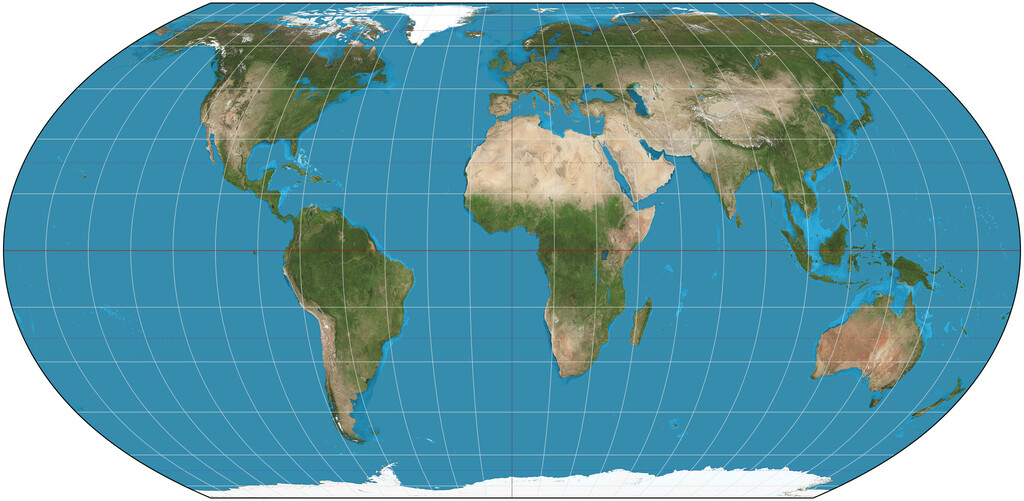
UN Resolution: A Step Toward Fairer Maps
The recent UN General Assembly resolution, supported overwhelmingly by member states, does not ban Mercator or mandate a specific map. Instead, it encourages the use of projections like Equal Earth that better preserve the relative size of territories.
The goal is to shift the maps used in schools, institutions, and technologies, recognizing that after 450 years of seeing a shrunken Africa, it's time to view it at its true scale. This move is particularly significant for African nations, as it challenges a long-standing visual bias.
Why Map Projections Matter
Maps are not neutral; they shape our understanding of geography, power, and identity. The Mercator projection, while useful for navigation, has been criticized for perpetuating a Eurocentric view of the world. By adopting fairer projections, we can foster a more accurate and equitable representation of all continents. The longer history behind the story is traced in Africa's True Size: UN Backs Map Projection Shake-Up.
The Equal Earth projection, for example, maintains the relative sizes of landmasses while minimizing distortion. This can have profound implications for education, where students learn about the world, and for global discourse on issues like climate change and development. The background to this story is set out in Mercator Map Replacement: UN Resolution Shifts Africa's True Size. A related thread runs through UN Adopts Equal Earth Map to Correct Western Bias. Earlier coverage in New Map Projections Don't Make Mercator Wrong shows how the argument developed.
Key Takeaways from the UN Initiative
- UN resolution passed with 164 votes in favor, 1 against, promoting fairer map projections.
- Mercator projection distorts land sizes, making Africa appear much smaller than it is.
- Equal Earth and similar projections offer a more accurate representation of relative sizes.
- Education and technology are key areas where the new maps could be adopted.
- African Union support highlights the initiative's importance for the continent's representation.
Comparing Map Projections: Mercator vs. Equal Earth
| Feature | Mercator | Equal Earth |
|---|---|---|
| Relative size accuracy | Poor (exaggerates poles) | Good (preserves relative sizes) |
| Navigation use | Excellent (constant bearing) | Not ideal |
| Africa's representation | Underestimated | Accurate |
| Year introduced | 1569 | 2018 |
What This Means for the Future
The UN resolution is not legally binding, but it carries significant moral weight. It signals a growing awareness of the need for more equitable representations of the world. As schools, media, and tech companies reconsider their map choices, we may see a gradual shift toward projections that respect the true size of all nations. A closer look at the same subject appears in Climate Change Supercharges West Africa Floods, Displacing Thousa. Anyone following the wider picture can start with Climate Change Supercharged West Africa Floods, Displacing Thousa. The same theme surfaces in Renshaw Keeps Australia Hopes Alive Against South Africa, which takes a different angle.
For Africa, this is a moment of recognition. The continent's immense size and diversity have often been overshadowed by distorted maps. By embracing accurate projections, we can better appreciate Africa's scale and its place in the global landscape. Context on how this played out before sits in Sharpeville Massacre Lawsuit Against South Africa Moves Forward. A companion piece, Trending: latest articles, approaches the same subject from another angle.
FAQ
What is the Mercator projection and why is it criticized?
The Mercator projection is a map created in 1569 that preserves angles for navigation but distorts land sizes, making regions near the poles appear much larger than those near the equator. It is criticized for misrepresenting the true size of continents, particularly Africa.
What is the Equal Earth projection?
Equal Earth is a map projection introduced in 2018 that accurately represents the relative sizes of landmasses while minimizing distortion. It is designed to provide a fairer view of the world compared to Mercator.
Will the UN resolution ban the Mercator projection?
No, the resolution does not ban Mercator or any other projection. It simply encourages the use of fairer projections like Equal Earth in education, institutions, and technology.
Why is this resolution important for Africa?
For centuries, the Mercator projection has made Africa appear much smaller than it is, perpetuating a distorted view of the continent. The resolution aims to correct this by promoting maps that show Africa's true size, fostering a more accurate global understanding.
Browse the Shop
 Acacia frida deluxe solid wood bed frame |
Bedroom bench |
Bed chest drawers |
Lingerie dresser |
Frame base |
Mirror with jewelry storage |
30 Bathroom Vanity |
Memory foam queen mattress |
Mattresses for back pain |
Nightstand set of 2 |
Grand Goldman Shop |
Civil Lawyer
Deutschland Trikot WM 2026







