

China is turning abandoned coal mine land into productive farmland, with greenhouses and crops now flourishing on sites once scarred by open-pit mining. In Dongsheng, Inner Mongolia, the Minda coal mine—the district's largest open-pit operation—continues to produce coal, yet just a short distance from its active pits, rows of greenhouses filled with vegetables stand in stark contrast to the dusty terrain.
This unusual juxtaposition reflects a growing effort to reclaim mined land for agricultural use. The scene is not isolated: across Ordos alone, local authorities counted 39 ecological agriculture and livestock projects tied to mine land recovery in 2025, alongside other uses such as parks and photovoltaic plants. The initiative signals a shift in how China views post-mining landscapes—not as permanent wastelands but as potential assets for food production and green energy.
Find Original, High-end Home Decor that spark conversation at Grand Goldman Shop.
Why Coal Mine Land Reclamation Matters
Coal has long been a cornerstone of China's energy mix, but decades of intensive mining have left vast areas degraded. Open-pit mines, in particular, strip away vegetation and topsoil, leaving behind rocky, infertile ground. Traditionally, such land was considered unsuitable for agriculture, and many mines were simply abandoned after closure.
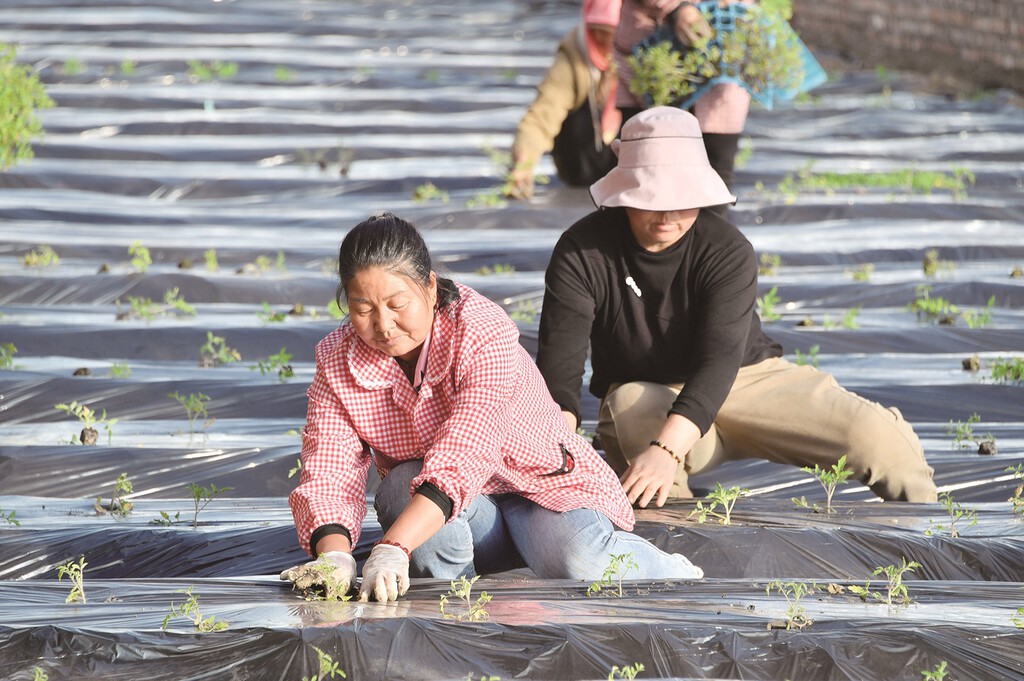
However, as demand for food and arable land grows, attention has turned to restoring these areas. Reclaiming mine land for farming offers multiple benefits: it reduces pressure on existing farmland, supports local food supplies, and helps rehabilitate ecosystems. Moreover, it can provide economic opportunities for communities that once depended on mining.
How the Reclamation Process Works
Turning a coal mine into a greenhouse is not simply a matter of planting seeds. The process begins with reshaping the land and reconstructing the soil. At the Minda mine, material removed during mining is screened to remove large rocks, and then a layer of roughly 60 centimeters of arable soil is spread over the surface.
Next comes the task of restoring fertility. Organic matter from straw and fermented manure is incorporated into the soil to rebuild its nutrient content. Ensuring adequate water supply is also critical; irrigation systems must be established to support crops. Only after these steps can planting begin—often in greenhouses that protect plants from harsh winds and temperature swings.
Key Steps in Mine Land Restoration
- Land reshaping: Grading and contouring the mined area to create stable surfaces.
- Soil reconstruction: Screening debris and applying a fertile topsoil layer.
- Organic enrichment: Mixing in compost, manure, and straw to boost fertility.
- Water management: Installing irrigation to ensure reliable moisture.
- Greenhouse cultivation: Using protected environments to extend growing seasons.
Agriculture and Renewable Energy on Reclaimed Land
The Ordos projects illustrate a diversified approach. Beyond greenhouses and field crops, some reclaimed areas host livestock operations, while others are used for parks or solar farms. This mix allows authorities to tailor reclamation to local conditions and market demands.
Photovoltaic plants, in particular, are gaining traction on former mine sites. These installations can generate electricity without requiring high-quality soil, and they can coexist with agriculture in some cases. The combination of farming and solar power on reclaimed land maximizes the utility of degraded areas.
| Land Use Type | Description | Examples in Ordos |
|---|---|---|
| Greenhouse agriculture | Vegetables and other crops grown under cover | Minda mine greenhouses |
| Field crops | Open-field cultivation after soil restoration | Various projects |
| Livestock | Animal husbandry on reclaimed pastures | Ecological farming projects |
| Photovoltaic | Solar power generation on less fertile land | Solar farms on mine sites |
| Parks and recreation | Green spaces for public use | Community parks |
Challenges and Opportunities
Despite the promise, reclamation is not without challenges. The cost of soil reconstruction and irrigation infrastructure can be high, and the long-term fertility of reconstructed soil requires careful management. Additionally, water availability in arid regions like Inner Mongolia is a limiting factor. The longer history behind the story is traced in Human Feces in Concrete: The Surprising Path to Stronger, Greener Construction.
Nevertheless, the projects demonstrate that with proper planning and investment, mined land can be brought back into productive use. The success in Ordos could serve as a model for other mining regions in China and beyond. As the country continues to balance energy needs with environmental goals, such initiatives offer a way to heal landscapes while supporting food security and renewable energy. The background to this story is set out in Chicken Farms and Food Production in Britain: The Real Story. A related thread runs through TB Crisis and Sustainable Farming Incentive Impact on Farms. Earlier coverage in Chicken Farms Reality: UK Food Production and River Health shows how the argument developed.
What to Watch Next
The scale of China's mine land reclamation efforts is likely to expand. With 39 projects already in Ordos, other provinces may follow suit, especially as policies encourage green development. The integration of agriculture with solar power could become more common, and advances in soil science may improve the efficiency of restoration. A closer look at the same subject appears in UK Sustainable Farming Funds Exhausted in Six Hours. Anyone following the wider picture can start with South Korea Turns Wet Coffee Grounds Into Coal Alternative. The same theme surfaces in Jon Richardson Turns Teenage Diaries Into Tearjerking Memoir, which takes a different angle.
For now, the image of greenhouses beside an active coal mine serves as a powerful symbol of transition. It shows that even landscapes heavily altered by industry can be given a second life—one that contributes to food production, renewable energy, and ecological recovery. Context on how this played out before sits in Eco Moorings Heal Seagrass Scars in Dorset's Studland Bay. A companion piece, Octopus Farming Problems: Why Industrial Farms Fail, approaches the same subject from another angle.
FAQ
What is coal mine land reclamation?
Coal mine land reclamation is the process of restoring mined land to a usable state after extraction. This can involve reshaping the terrain, rebuilding soil, and establishing vegetation or other productive uses such as agriculture or solar farms.
Why is China reclaiming coal mines for agriculture?
China is reclaiming coal mines for agriculture to make use of degraded land, reduce pressure on existing farmland, and support local food supplies. It also helps rehabilitate ecosystems and can provide economic opportunities for communities.
How long does it take to restore mined land for farming?
The timeline varies depending on the site and methods used, but it can take several years to reconstruct soil and establish productive agriculture. The process includes land reshaping, soil replacement, organic enrichment, and irrigation setup.
Can solar farms and agriculture coexist on reclaimed mine land?
Yes, in some cases solar farms and agriculture can coexist on reclaimed mine land. Photovoltaic panels can be installed on less fertile areas, while agriculture uses the better soil, maximizing the land's utility.
Browse the Shop
 Acacia frida deluxe solid wood bed frame |
Bedroom bench |
Bed chest drawers |
Lingerie dresser |
Frame base |
Mirror with jewelry storage |
30 Bathroom Vanity |
Memory foam queen mattress |
Mattresses for back pain |
Nightstand set of 2 |
Grand Goldman Shop |
Civil Lawyer
Deutschland Trikot WM 2026







