

China's lost access to the Sea of Japan via the Tumen River is testing the patience of Beijing with both Russia and North Korea. This small river, which forms the border between China, Russia, and North Korea, represents a strategic choke point that has frustrated Chinese ambitions for over a century.
In 1860, China signed the Beijing Convention with the Russian Empire, ceding territories that now form part of Primorsky Krai. This agreement left Beijing just kilometers from the sea but without direct access to it. More than 160 years later, this geographic wound continues to shape China's strategic thinking.
Find Original Home Decor sparking conversation at Grand Goldman Shop.

The Tumen River: A Small River with Huge Ambitions
The Tumen River is one of those geographic features that seem minor until you look at a map with strategic eyes. A narrow strip of water separates China from direct access to the Sea of Japan, and this small barrier has frustrated Beijing's historical aspiration for over a century: to reach the northwestern Pacific without relying on longer or more closely watched routes.
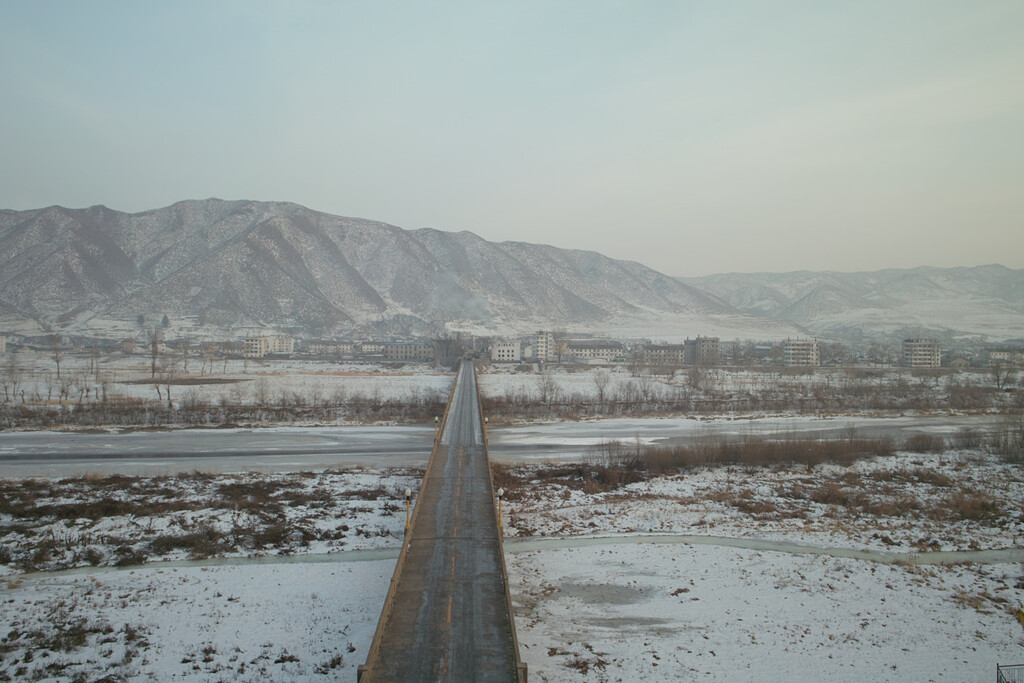
On paper, it looks like a technical issue. In reality, it is a question of power. This small river lost between Russia and North Korea is testing something much larger: how much Moscow and Pyongyang are willing to tolerate China's strategic expansion.
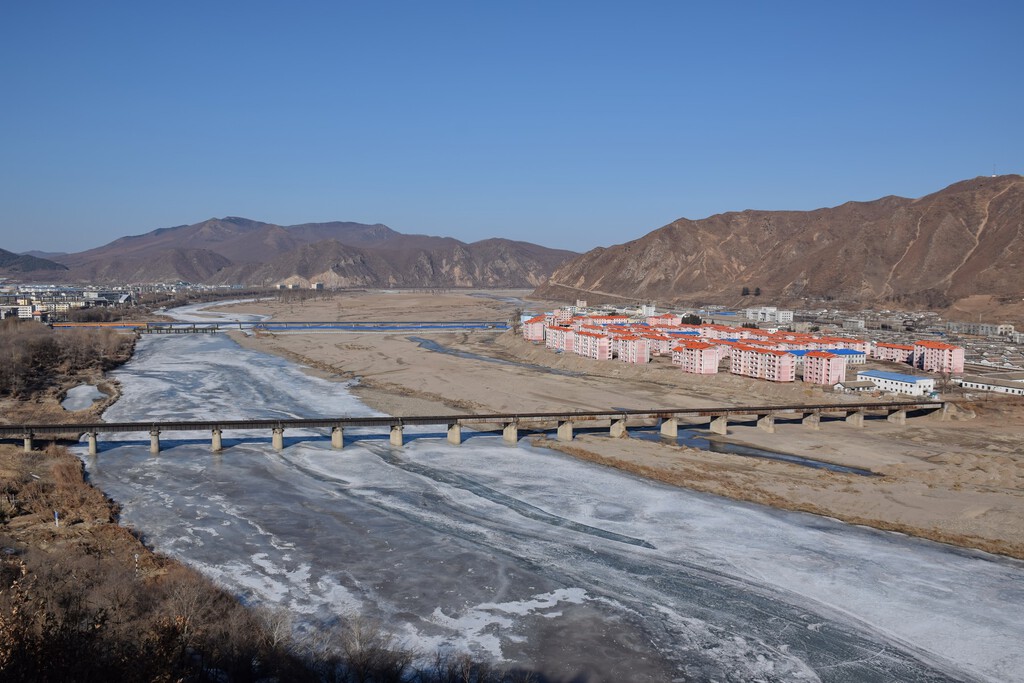
China's Old Obsession
Since the Qing Dynasty ceded part of that region to the Russian Empire in 1860, China has carried a geographic thorn. That lost stretch left Beijing without a convenient outlet to the Sea of Japan. Regaining access through the Tumen has been a silent aspiration for decades.
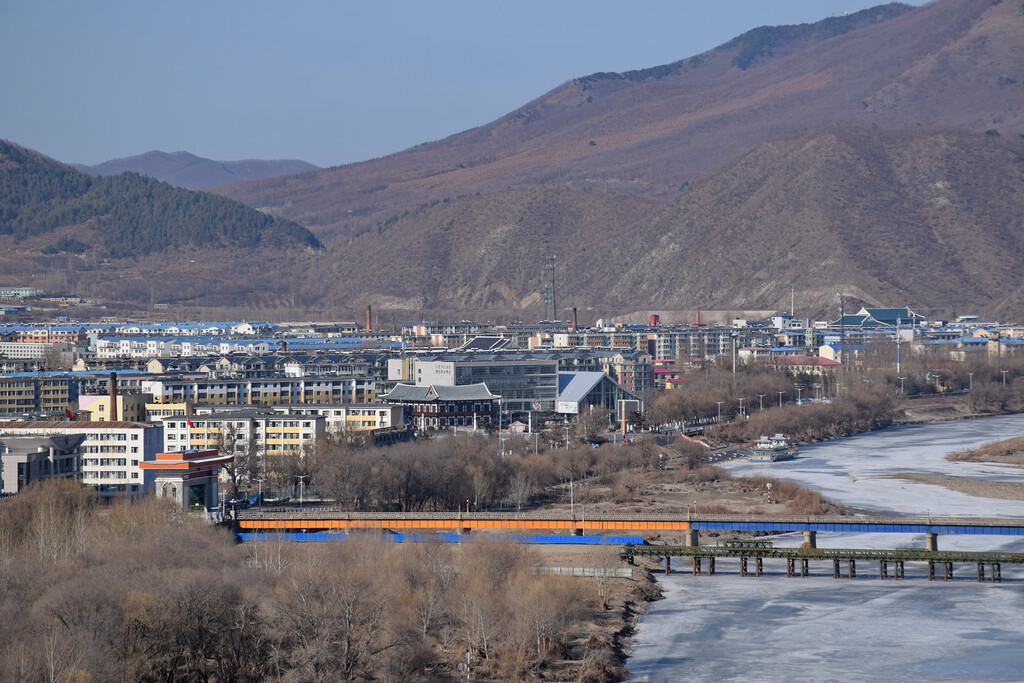
It is not just a commercial matter. If China manages to navigate freely through the Tumen River, it would gain a direct route to the Pacific, reducing its dependence on other maritime chokepoints and enhancing its strategic flexibility in the region.
Why the Tumen River Matters
The Tumen River's significance goes beyond geography. It is a focal point for China's economic and strategic interests in Northeast Asia. Control over this waterway would give China a direct outlet to the Sea of Japan, facilitating trade and naval mobility.
Moreover, the river is a symbol of China's historical grievances and its determination to reclaim what it sees as lost territory. The issue is sensitive because it involves the sovereignty of Russia and North Korea, both of which have their own interests in the region.
- Strategic access: Direct sea access would enhance China's naval reach and reduce reliance on other routes.
- Economic benefits: A navigable Tumen would boost trade and development in China's northeastern provinces.
- Historical grievance: The 1860 loss remains a sore point in China's national narrative.
- Diplomatic balancing: China must navigate complex relations with Russia and North Korea to achieve its goals.
- Regional stability: Any move to alter the status quo could escalate tensions in Northeast Asia.
The Geopolitical Stakes
The Tumen River issue is not just about China. Russia and North Korea have their own strategic interests in the region. Russia controls the northern bank of the river and has historically been wary of Chinese expansion in the Far East. North Korea, meanwhile, sees the river as a vital border and a source of leverage.
For China, the challenge is to assert its interests without alienating its neighbors. This requires delicate diplomacy and a clear understanding of what Moscow and Pyongyang are willing to accept.
| Country | Interest in the Tumen River | Stance on Chinese Access |
|---|---|---|
| China | Direct sea access, economic development, strategic advantage | Actively seeks access |
| Russia | Control of Primorsky Krai, maintaining influence in the Far East | Cautious, wary of Chinese expansion |
| North Korea | Border security, leverage over China | Resistant, seeks to maintain sovereignty |
What's Next for China's River Ambitions?
China's pursuit of access to the Sea of Japan via the Tumen River is likely to continue, but progress will depend on its ability to negotiate with Russia and North Korea. Any breakthrough would require significant diplomatic and economic concessions. The background to this story is set out in North Korea Sending 50,000 Troops to Russia: Zelenskyy. A related thread runs through Russia's Missile Tests Near Disputed Islands Anger Japan. Earlier coverage in North Sea Oil Expansion Tests Burnham's Green Credibility shows how the argument developed.
Meanwhile, China is investing in alternative routes and infrastructure, such as the Arctic shipping lane and the China-Pakistan Economic Corridor, to diversify its access to global markets. These efforts reflect a broader strategy to reduce vulnerability to geographic chokepoints. A closer look at the same subject appears in Europe's Biggest Threats: Russia and China Over Trump. Anyone following the wider picture can start with Svalbard: The Arctic Islands Where Russia Tests NATO's Article. The same theme surfaces in Finland's Massive Civil Defense Drill Tests Readiness Against Russia, which takes a different angle.
For now, the Tumen River remains a symbol of China's unfinished business. How Beijing manages this issue will be a key test of its regional leadership and its relationships with its neighbors. Context on how this played out before sits in Europe's Dried-Up Rivers: Energy Crisis and Lost Income.
FAQ
Why did China lose access to the Sea of Japan?
China lost access to the Sea of Japan in 1860 when the Qing Dynasty signed the Beijing Convention with the Russian Empire, ceding territories that now form part of Primorsky Krai. This left China just kilometers from the sea but without a direct outlet.
What is the Tumen River's strategic importance?
The Tumen River is a potential direct route for China to the Sea of Japan, which would enhance its naval mobility and economic development in Northeast Asia. It also represents a historical grievance and a test of China's relations with Russia and North Korea.
How are Russia and North Korea responding to China's ambitions?
Both Russia and North Korea are cautious. Russia is wary of Chinese expansion in its Far East, while North Korea sees the river as a vital border and a source of leverage. Neither has shown willingness to grant China unrestricted access.
What alternatives does China have for sea access?
China is investing in alternative routes such as the Arctic shipping lane and the China-Pakistan Economic Corridor. These efforts aim to diversify its access to global markets and reduce dependence on geographic chokepoints.
As China continues to navigate these complex geopolitical waters, the Tumen River will remain a key indicator of its regional influence. The resolution of this issue will have far-reaching implications for Northeast Asia and beyond.
For those interested in how China's energy and infrastructure projects shape global dynamics, the China's 582-ton magnet for artificial sun fusion energy offers a fascinating parallel in strategic ambition. Just as the Tumen River represents a geographic choke point, fusion research embodies China's drive for technological independence and global leadership.
Browse the Shop
 Acacia frida deluxe solid wood bed frame |
Bedroom bench |
Bed chest drawers |
Lingerie dresser |
Frame base |
Mirror with jewelry storage |
30 Bathroom Vanity |
Memory foam queen mattress |
Mattresses for back pain |
Nightstand set of 2 |
Grand Goldman Shop |
Civil Lawyer
Deutschland Trikot WM 2026







