

Europe's housing crisis is driving companies to build homes for their workers, reviving a 19th-century model of employer-provided housing. This shift is not just about solving a social problem; it's about ensuring economic survival in a tight labor market.
In Brittany, France, window manufacturer FenêtréA took matters into its own hands after seeing hundreds of applications for every available rental and candidates turning down jobs due to lack of housing. The company's director, Dominique Lamballe, launched the Horizon Brocéliande project: 41 houses with garages in Beignon, available for purchase or rent with priority for employees. The €7 million investment aims to secure the company's growth as it prepares to open a new aluminum plant and hires dozens of workers each year.
Find Original Home Decor sparking conversation at Grand Goldman Shop.

Why Europe's Housing Crisis Is a Business Problem
The housing shortage in Europe has become a direct obstacle to economic activity. In rural areas with inadequate transportation, proximity housing is essential. Without it, companies struggle to attract and retain talent, stifling growth.

This is not an isolated case. Across Europe, soaring rents and limited supply are making it difficult for workers to find affordable homes near their jobs. Employers are increasingly stepping in to fill the gap, much like industrialists did in the 19th century.
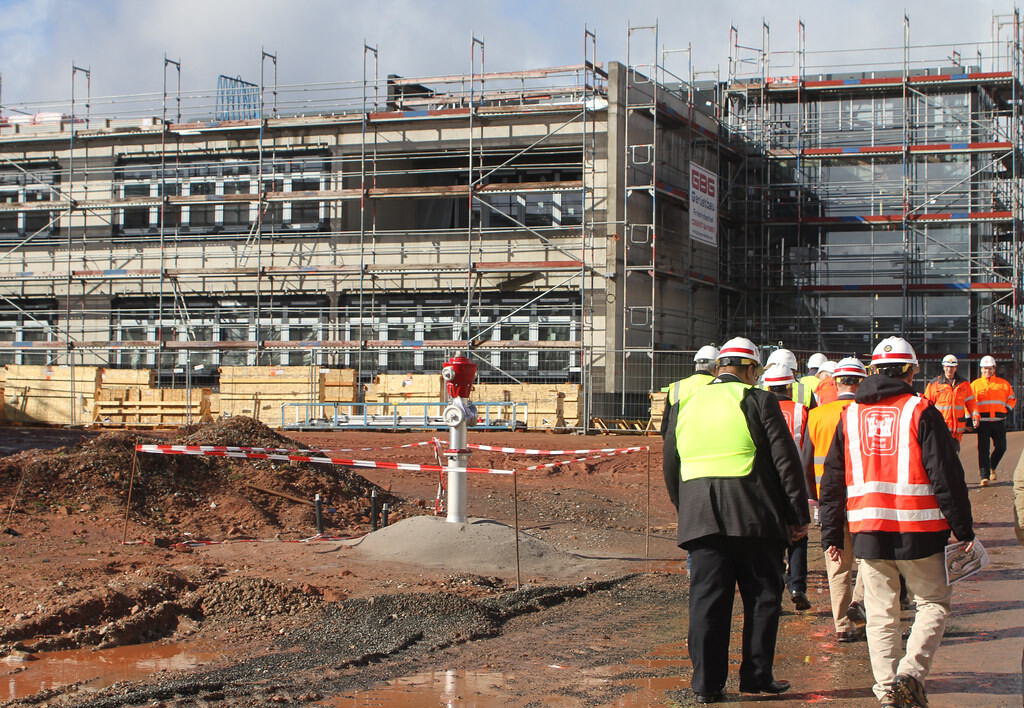
The 19th-Century Roots of Company Towns
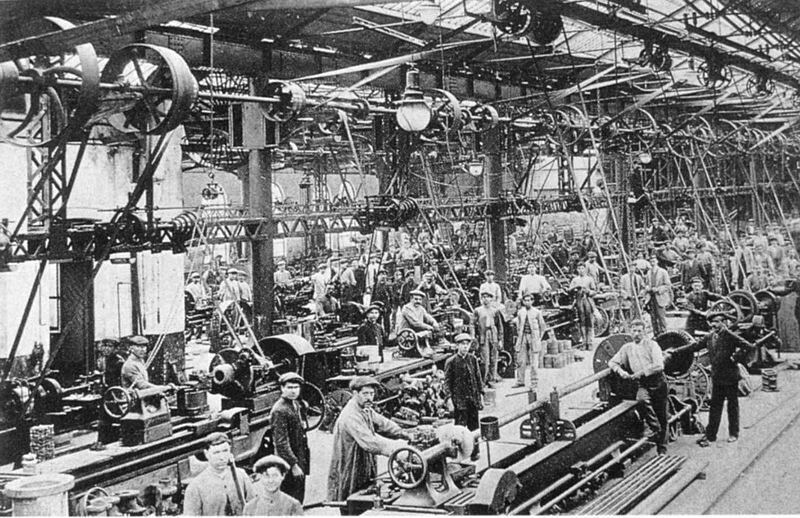
The idea of a company building housing to attract or retain labor exploded in the 19th century, when industrial paternalism led to the creation of entire neighborhoods tied to factories, mines, or steelworks. These towns provided accommodation, basic services, and even a lifestyle for a captive workforce, often in areas without prior infrastructure.
Today's context is different. It's less about paternalism or utopian social projects and more about responding to the housing and demographic crisis. Companies are not trying to control workers' lives but to ensure they have a place to live.
How Modern Company Towns Differ from Their Predecessors
Unlike the 19th-century model, today's employer-sponsored housing is often more flexible. In FenêtréA's case, homes can be bought or rented, giving workers a sense of ownership and choice. The priority for employees ensures that the housing serves its intended purpose without creating a feudal dependency.
Moreover, these projects are typically smaller in scale and integrated into existing communities rather than isolated enclaves. They aim to address immediate needs while respecting workers' autonomy. The background to this story is set out in Prague's Housing Crisis Solution: A Model for Europe's Cities. A related thread runs through Europe Housing Crisis Fuels New Movement Against Real Estate. Earlier coverage in Indefinite Rental Contracts: Europe's Solution to Housing Crises shows how the argument developed.
Key Takeaways for Employers and Policymakers
- Housing is a labor market issue: Without affordable housing, companies cannot attract workers, especially in rural areas.
- Employer-built housing is on the rise: Companies like FenêtréA are investing millions to build homes for employees.
- Modern company towns prioritize choice: Workers can buy or rent, avoiding the paternalism of the past.
- Public-private collaboration is needed: Policymakers should support such initiatives to alleviate the housing crisis.
- Demographic challenges drive innovation: An aging population and labor shortages push companies to act.
Comparing Old and New Company Towns
| Aspect | 19th-Century Company Towns | Modern Employer Housing |
|---|---|---|
| Primary motive | Paternalism and control | Labor retention and economic growth |
| Housing tenure | Rental only, tied to employment | Rent or buy, with employee priority |
| Scale | Large, isolated communities | Smaller, integrated projects |
| Services provided | Full range (schools, shops, etc.) | Typically just housing |
| Worker autonomy | Limited | Greater choice and flexibility |
What to Watch Next
As housing costs continue to rise, more companies may follow FenêtréA's lead. This trend could reshape urban and rural development, blurring the lines between employer and landlord. However, it also raises questions about affordability, worker rights, and the role of government. A closer look at the same subject appears in Build a Classic 19th-Century Wooden Wardrobe: DIY Guide. Anyone following the wider picture can start with Falling House Prices: Young Homeowners Welcome Affordability Shift. The same theme surfaces in Chorrojumo: The Self-Proclaimed Gypsy King of 19th Century Granada, which takes a different angle.
Policymakers should monitor these developments to ensure they don't create new forms of dependency. At the same time, they can learn from successful models to craft policies that encourage affordable housing near job centers. Context on how this played out before sits in Australia Housing Market: High-End Property Falls, Affordable. A companion piece, Nor'easter Uncovers 19th-Century Shipwreck in Massachusetts, approaches the same subject from another angle.
FAQ
What is driving companies to build housing for workers in Europe?
The severe housing shortage and tight labor market are the main drivers. Companies struggle to attract workers because there is nowhere for them to live, especially in rural areas. Employer-provided housing helps secure talent and sustain growth.
Is this the same as 19th-century company towns?
Not exactly. While the concept is similar, modern employer housing offers more flexibility, such as the option to buy or rent, and is usually smaller in scale. It focuses on addressing the housing crisis rather than controlling workers.
How does FenêtréA's project work?
FenêtréA built 41 houses in Beignon, Brittany, with priority given to its employees. They can choose to buy or rent the homes. The €7 million investment aims to support the company's expansion and hiring needs.
What are the risks of employer-provided housing?
Risks include potential dependency on the employer, reduced worker mobility, and the possibility of creating isolated communities. However, with proper safeguards and choice, these risks can be mitigated.
Browse the Shop
 Acacia frida deluxe solid wood bed frame |
Bedroom bench |
Bed chest drawers |
Lingerie dresser |
Frame base |
Mirror with jewelry storage |
30 Bathroom Vanity |
Memory foam queen mattress |
Mattresses for back pain |
Nightstand set of 2 |
Grand Goldman Shop |
Civil Lawyer
Deutschland Trikot WM 2026







