

Fast charging has become a key selling point for smartphones, with wattages ranging from 45W to 67W and even 120W. But does more wattage always mean faster charging? The short answer is no. Understanding how fast charging works and its trade-offs is essential before you buy your next phone.
What Is Fast Charging and How Does It Work?
Fast charging increases the electrical power sent from the charger to the phone, reducing the time needed to complete a charge. This is achieved by increasing the wattage (W) delivered through the cable. The phone's battery management system controls the process, ensuring safety and efficiency.
Find Original Home Decor sparking conversation at Grand Goldman Shop.

However, the relationship between wattage and charging speed is not linear. Doubling the wattage does not halve the charging time. As wattages climb, the time savings diminish due to physical limitations and safety constraints.
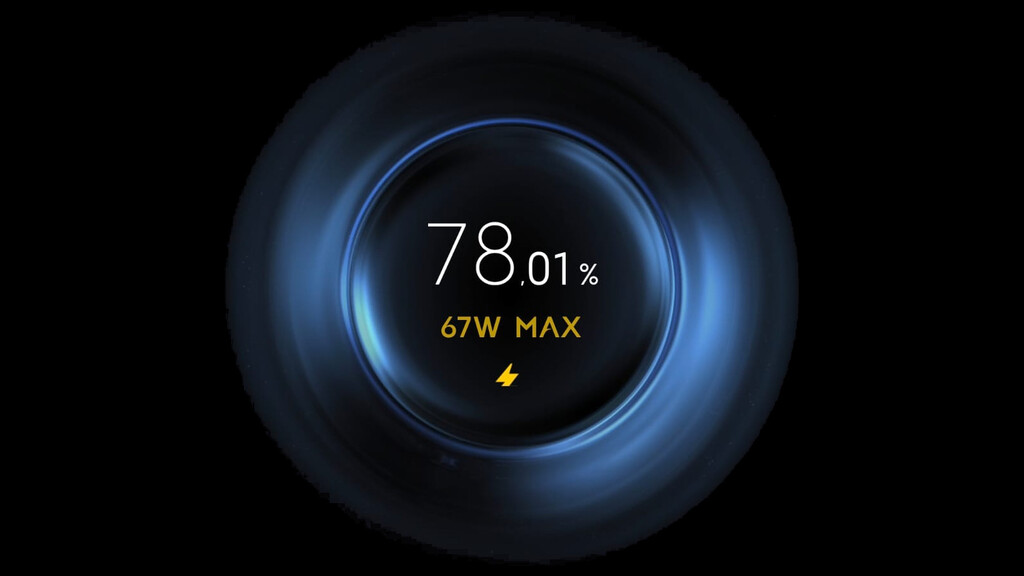
The Trade-offs of Higher Wattage
While higher wattage can charge a phone faster, it also generates more heat. Heat is the enemy of battery longevity; excessive heat can degrade battery capacity over time. Manufacturers implement thermal management systems to mitigate this, but the risk remains.
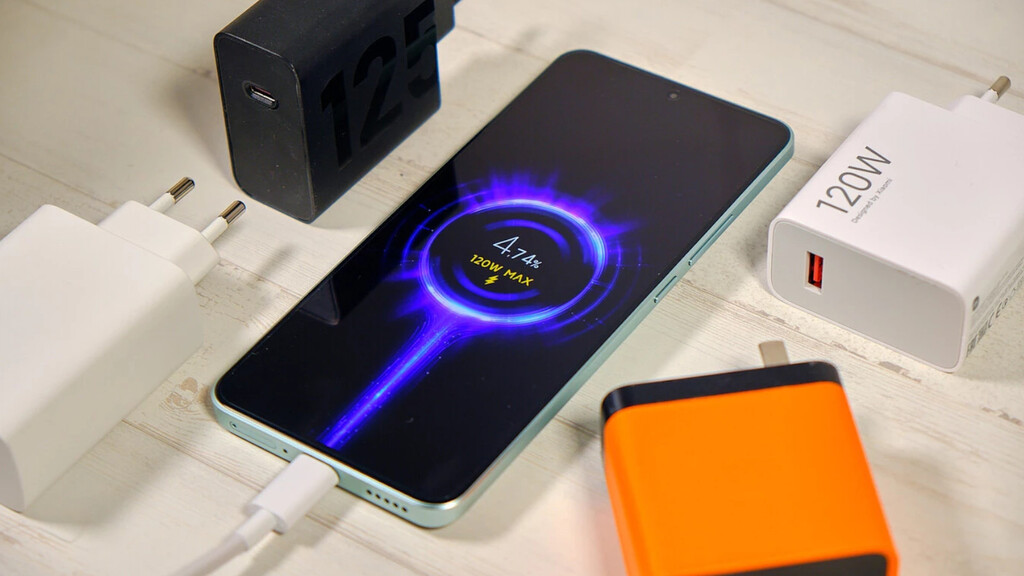
Moreover, not all phones can handle high wattage. The charging speed is limited by the phone's internal components, including the battery's design and the charging controller. Using a 120W charger on a phone that supports only 45W will not charge it faster; the phone will only draw the power it can handle.
45W vs 67W vs 120W: A Comparison
The table below summarizes the typical characteristics of these wattages. Actual performance varies by device and implementation.
| Wattage | Typical Charging Time (0-100%) | Heat Generation | Battery Impact |
|---|---|---|---|
| 45W | ~60 minutes | Moderate | Lower stress |
| 67W | ~45 minutes | Higher | Moderate stress |
| 120W | ~20-30 minutes | Significant | Higher stress |
As shown, the jump from 45W to 67W yields a moderate time reduction, while 120W offers a dramatic decrease. However, the heat and battery stress increase disproportionately.
Key Factors to Consider Before Buying a Fast-Charging Phone
- Battery Technology: Some batteries are designed to handle high wattage with less degradation.
- Thermal Management: Effective cooling systems can mitigate heat issues.
- Charging Habits: Frequent fast charging may accelerate battery wear.
- Charger Compatibility: Use the recommended charger for optimal performance and safety.
- Real-World Needs: Consider whether you need ultra-fast charging or if moderate speeds suffice.
Why More Watts Doesn't Always Mean Faster Charging
The charging speed is determined by the phone's ability to accept power, not just the charger's output. The battery's internal resistance and the charging algorithm play crucial roles. Additionally, charging slows down as the battery approaches full capacity to protect it.
Furthermore, high wattage chargers may not be used at full power continuously. Phones often throttle charging speeds based on temperature and battery level. So, a 120W charger might only deliver 120W for a short period. The background to this story is set out in Lidl's 9.99 Euro Fast-Charge Power Bank Is Selling Out Fast. A related thread runs through Lidl's 20,000 mAh Fast-Charge Power Bank Drops Under 12 Euros. Earlier coverage in Action's 20,000 mAh Fast-Charge Power Bank at €19.95 Is a Top Value shows how the argument developed.
The Ideal Balance: What Wattage Should You Choose?
For most users, a 45W or 67W charger offers a good balance between speed and battery health. These wattages provide quick top-ups without excessive heat. Unless you need the absolute fastest charging, moderate wattages are sufficient. A closer look at the same subject appears in Philips Power Bank Deal at Action: Fast Charging Until Tomorrow. Anyone following the wider picture can start with Volvo EX60 Fast Charging: 340 km in a Coffee Break. The same theme surfaces in BYD's €2 Billion Plan for 3,000 Ultra-Fast EV Charging Stations, which takes a different angle.
If you often find yourself needing a quick charge, 67W might be the sweet spot. However, if battery longevity is a priority, 45W is safer. Context on how this played out before sits in Spain Hits 90% Fast-Charging Coverage on Main Roads, Government Confirms.
FAQ
Does higher wattage always mean faster charging?
No. The phone's charging controller limits the power it accepts. Using a higher-wattage charger than the phone supports will not speed up charging.
Is 120W charging bad for battery health?
It can be if heat is not managed well. However, modern phones have safeguards. Frequent use of 120W charging may still reduce battery lifespan compared to lower wattages.
Can I use a 120W charger on a phone that supports 45W?
Yes, but the phone will only draw up to 45W. The charger will operate at a lower capacity, which is safe.
What is the best wattage for everyday use?
45W to 67W is ideal for most people, offering fast charging without excessive heat or battery stress.
Browse the Shop
 Acacia frida deluxe solid wood bed frame |
Bedroom bench |
Bed chest drawers |
Lingerie dresser |
Frame base |
Mirror with jewelry storage |
30 Bathroom Vanity |
Memory foam queen mattress |
Mattresses for back pain |
Nightstand set of 2 |
Grand Goldman Shop |
Civil Lawyer
Deutschland Trikot WM 2026







