

France's window tax, implemented in 1798, had a profound impact on the country's architecture, as homeowners modified their houses to avoid the levy. For over a century, this tax on every door and window turned a simple architectural feature into a financial burden, leading to lasting changes in French streetscapes.
What Was the France Window Tax?
On November 24, 1798, the French Directory approved a tax on doors and windows. Initially intended as an annual contribution, it persisted for nearly 127 years, until its effective abolition in 1926. The tax was based on the number of openings in a building, creating a direct financial incentive for homeowners to reduce them.
Find Original, High-end Home Decor that spark conversation at Grand Goldman Shop.

The tax was introduced by Dominique Ramel, Finance Minister under the Directory, amid severe economic difficulties following the French Revolution. The government needed revenue, and property features like windows provided a visible and easily countable basis for taxation.
How the Tax Worked and Who It Affected
The tax applied to all buildings with doors and windows, affecting both urban and rural properties. The number of openings determined the tax amount, so larger homes with many windows faced higher taxes. This led to some unexpected consequences, as owners sought to minimize their tax burden.
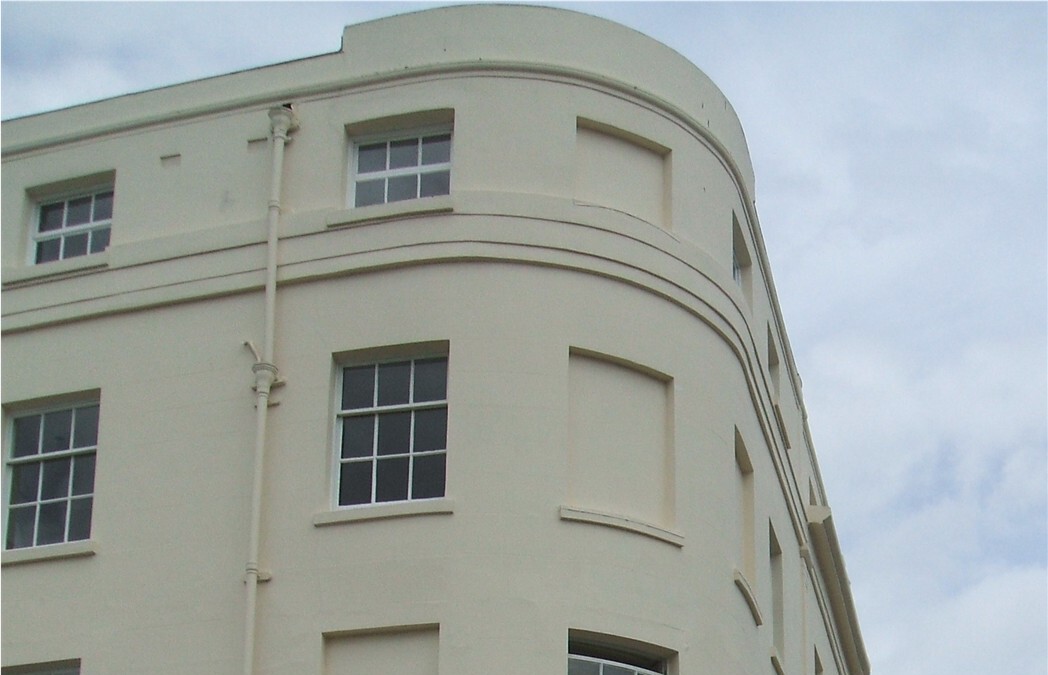
To assess the tax, officials counted windows from the street, which meant that only openings visible from public roads were considered. This method allowed some homeowners to avoid taxation on rear or interior windows, but it also encouraged modifications to street-facing facades.
Architectural Consequences of the Window Tax
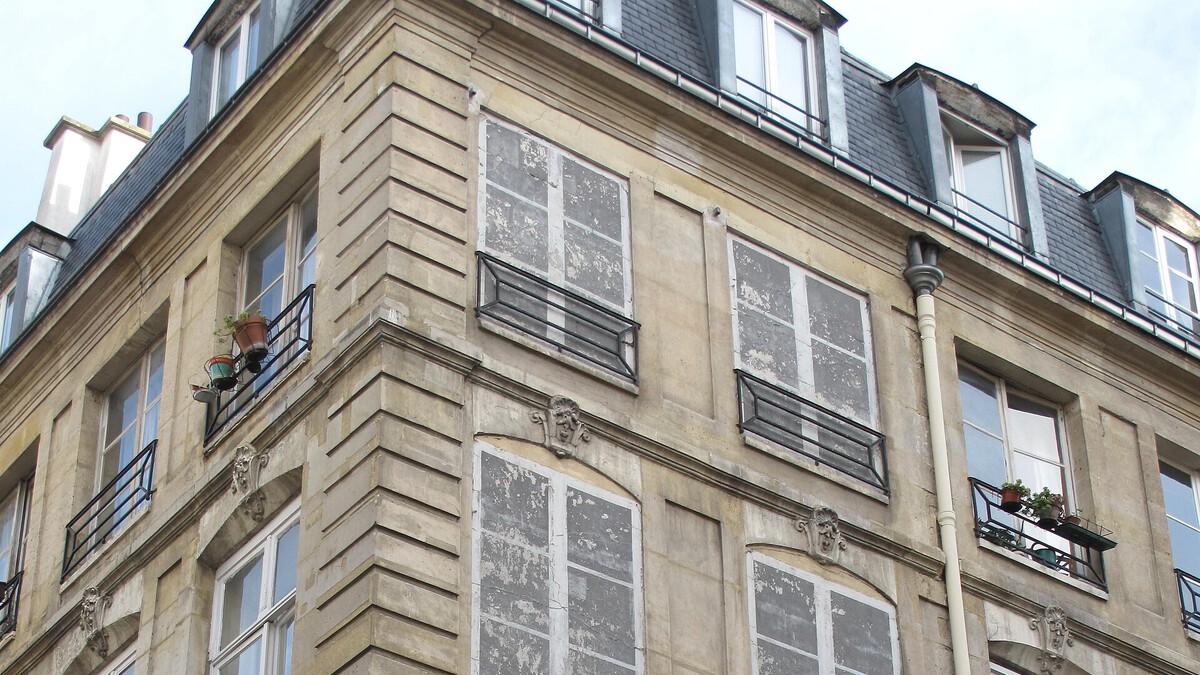
In response to the tax, many property owners bricked up windows, removed architectural elements, and altered their homes to pay less. Some windows were completely eliminated, while others were reduced in size or replaced with fewer, larger openings. These changes left a lasting mark on French architecture, with some historic buildings still bearing the traces of these modifications.
The tax also influenced building practices, as new constructions were designed with fewer windows to keep taxes low. In some cases, this led to darker interiors and poorer ventilation, but the economic savings outweighed these drawbacks for many.
Key Takeaways
- The window tax was enacted in 1798 and lasted until 1926, shaping French architecture for over a century.
- Tax was based on the number of doors and windows, counted from the street.
- Homeowners bricked up windows and altered facades to reduce their tax burden.
- Traces of these modifications can still be seen in some historic French buildings.
- The tax was introduced to address post-revolutionary financial difficulties.
Comparison with Other Window Taxes
France was not the only country to impose a window tax; similar taxes existed in England and other European nations. However, the French tax was notable for its longevity and its direct impact on domestic architecture. Context on how this played out before sits in France's 126-Year Window Tax That Reshaped Homes.
| Country | Tax Period | Key Features |
|---|---|---|
| France | 1798-1926 | Tax on doors and windows, counted from street |
| England | 1696-1851 | Tax on windows, led to bricked-up windows |
| Scotland | 1748-1851 | Similar to England, based on window count |
While the English window tax is well-known for its impact on architecture, the French version had a longer duration and similar effects, contributing to the unique character of French historic homes. The background to this story is set out in Trending: latest articles. A related thread runs through Toilet Paper Alternatives: What People Used Before It Existed.
Why It Matters Today
The legacy of the window tax is still visible in some French towns and cities, where buildings with bricked-up windows or unusual facade patterns hint at this fiscal history. For historians and architects, these features offer insights into how taxation shaped everyday life and the built environment. Earlier coverage in Kolmanskop: The Diamond Boom Town Germany Built in the Desert shows how the argument developed. A closer look at the same subject appears in The Tsar Bell: The 202-Ton Russian Bell That Never Rang.
Moreover, the window tax serves as a reminder of how government policies can have unintended consequences on architecture and urban planning. It also highlights the resilience of homeowners in adapting their properties to economic pressures. Anyone following the wider picture can start with Paris Protests: Teargas, Looting, and Anger on the Streets. The same theme surfaces in France Unrest: Government in Crisis After Colossal State Failure, which takes a different angle.
FAQ
What was the France window tax?
The France window tax was a levy on doors and windows introduced in 1798. It was based on the number of openings in a building and lasted until 1926. The tax aimed to raise revenue for the government but led to architectural changes as homeowners sought to reduce their tax burden.
How did the window tax affect French architecture?
Homeowners bricked up windows, removed architectural elements, and altered facades to avoid paying higher taxes. This resulted in fewer windows and modified building designs, some of which are still visible in historic French buildings today.
Why was the window tax introduced?
The tax was introduced by Finance Minister Dominique Ramel to address severe economic difficulties after the French Revolution. It provided a relatively simple way to generate revenue based on property features that were easy to count.
Are there still traces of the window tax in France?
Yes, in some historic streets and buildings, you can see bricked-up windows and other modifications made to avoid the tax. These traces offer a glimpse into how fiscal policies influenced domestic architecture.
Browse the Shop
 Acacia frida deluxe solid wood bed frame |
Bedroom bench |
Bed chest drawers |
Lingerie dresser |
Frame base |
Mirror with jewelry storage |
30 Bathroom Vanity |
Memory foam queen mattress |
Mattresses for back pain |
Nightstand set of 2 |
Grand Goldman Shop |
Civil Lawyer
Deutschland Trikot WM 2026
Acacia frida deluxe solid wood bed frame |
Bedroom bench |
Bed chest drawers |
Lingerie dresser |
Frame base |
Mirror with jewelry storage |
30 Bathroom Vanity |
Memory foam queen mattress |
Mattresses for back pain |
Nightstand set of 2 |
Grand Goldman Shop |
Civil Lawyer
Deutschland Trikot WM 2026










