

Iran is reportedly developing a plan to impose a toll on submarine cables passing through the Strait of Hormuz, a move that could reshape global internet infrastructure and digital commerce. The strategy, which has been discussed in Iranian circles and reported by CNN, would require tech giants like Google, Amazon, Microsoft, and Meta to pay for the right to route data through the strategic waterway.
This development comes after a March 2024 incident in which a ship damaged several undersea cables in the Red Sea, causing internet disruptions across East Africa, the Middle East, and South Asia. That accident highlighted the vulnerability of the world's submarine cable network—and apparently gave Iran a new lever of influence.
Find Original Home Decor sparking conversation at Grand Goldman Shop.

Why the Strait of Hormuz Matters for Submarine Cables
The Strait of Hormuz has long been recognized as the world's most important oil chokepoint, with about one-fifth of global oil consumption passing through it daily. But beneath those waters lies another critical infrastructure: a dense network of submarine cables that carry internet traffic between Europe, Asia, and the Gulf.
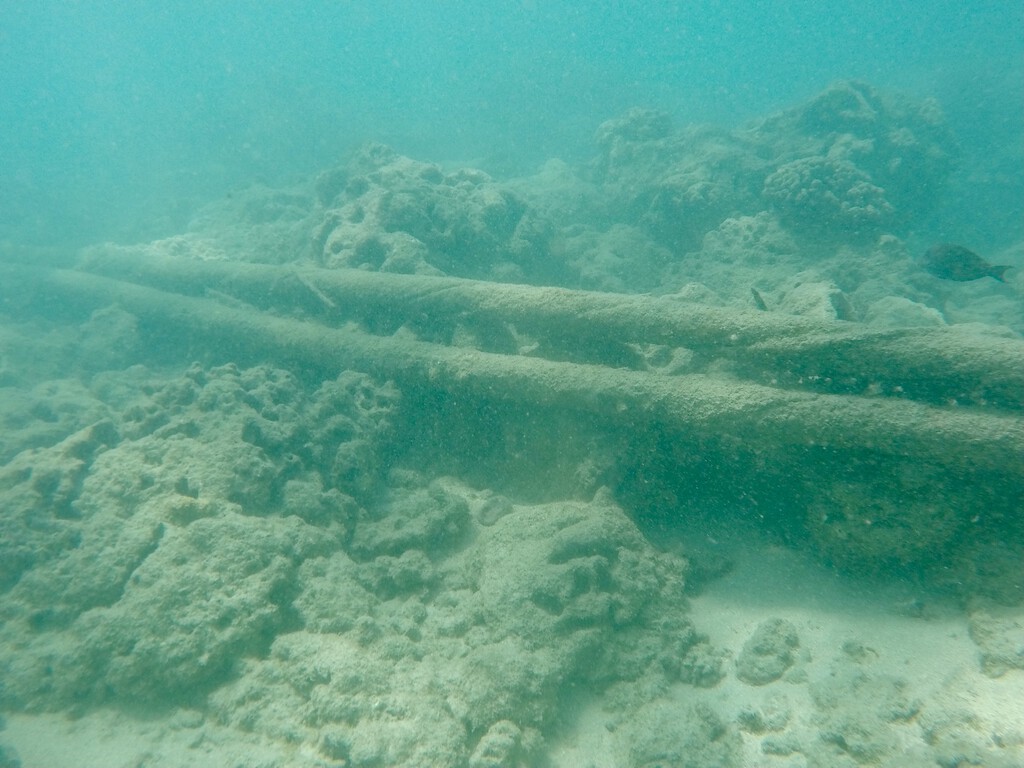
These cables are the backbone of the global internet, transmitting everything from emails to financial transactions. Iran's geographic position gives it potential control over this data flow, and Tehran seems to have realized that this control could be as valuable as its oil leverage.
What Iran's Submarine Cable Toll Would Look Like
According to the reports, Iran's plan is to demand that major tech companies pay a fee, obtain a license, or comply with Iranian regulations in exchange for allowing their cables to pass through Hormuz. This would effectively turn a global public good—the internet—into a toll road subject to Iranian authority.
The idea is still in its early stages, but it represents a significant shift in how Iran views its strategic assets. By targeting submarine cables, Iran could exert pressure on the global economy without firing a shot.
- Strategic leverage: Iran could use cable access as a bargaining chip in negotiations with the West.
- Economic gain: Tolls or licensing fees could generate revenue for a sanctions-hit economy.
- Regulatory control: Tech companies might be forced to comply with Iranian laws, raising privacy and censorship concerns.
- Global impact: Disruptions to cable traffic could affect internet speeds and reliability worldwide.
The Technical and Legal Challenges
Imposing a toll on submarine cables is easier said than done. International law generally protects the right of innocent passage through straits used for international navigation, and submarine cables are typically governed by multilateral agreements.
Moreover, cables are often owned by consortia of telecom companies and tech giants, making it difficult to single out a payer. Iran would need to enforce its rules physically, which could risk confrontation with foreign navies.
| Aspect | Details |
|---|---|
| Key chokepoint | Strait of Hormuz |
| Cables at risk | Multiple submarine cables connecting Europe, Asia, and the Gulf |
| Affected companies | Google, Amazon, Microsoft, Meta, and telecom operators |
| Potential fees | Tolls, licensing, or regulatory compliance |
| Legal basis | Disputed under international law of the sea |
Implications for Global Internet Infrastructure
If Iran succeeds in imposing a toll, it could set a precedent for other countries to do the same. The internet's physical infrastructure is already vulnerable to accidents, sabotage, and natural disasters. Adding political tolls could increase costs and reduce reliability.
Tech companies may need to reroute cables or invest in alternative paths, but options are limited. The Red Sea incident showed how quickly a single damaged cable can cause widespread outages. The background to this story is set out in Google's Submarine Cable Plan Makes Dominican Republic Digital Hub. A related thread runs through Strait of Hormuz crisis deepens as US strategy falters. Earlier coverage in Strait of Hormuz Closure: Iran's Conditions for Reopening shows how the argument developed.
What to Watch Next
The international community is likely to push back against Iran's plan, but the details are still murky. Watch for statements from the UN, the ITU, and major tech companies. Also, monitor whether Iran takes concrete steps to enforce its claims, such as boarding ships or inspecting cables. A closer look at the same subject appears in Submarine Cables: 30 Years of Internet's Underwater Backbone. Anyone following the wider picture can start with US Strikes on Iran Expand to Civilian Infrastructure. The same theme surfaces in Strait of Hormuz Ship Sinks as Iranian Attacks Surge, which takes a different angle.
For now, the plan remains a warning shot—but it underscores how geopolitical conflicts are increasingly moving into cyberspace and the physical layer of the internet. Context on how this played out before sits in US Strikes Iran for 10th Time as Iran Declares 'Full-Scale War'. A companion piece, Iran President Denies Resignation Threats Amid Strait of Hormuz, approaches the same subject from another angle.
FAQ
What is Iran's submarine cable toll plan?
Iran is reportedly considering charging tech companies a fee or requiring licenses for submarine cables passing through the Strait of Hormuz. The plan aims to leverage Iran's strategic position to gain economic and political influence.
Why is the Strait of Hormuz important for internet traffic?
The Strait of Hormuz is a narrow waterway through which many submarine cables pass, connecting Europe, Asia, and the Gulf. These cables carry a significant portion of global internet data, making the strait a critical chokepoint.
How could this affect regular internet users?
If Iran imposes tolls, tech companies might face higher costs, potentially leading to increased prices for consumers. Additionally, disruptions or rerouting could affect internet speeds and reliability, especially in regions dependent on those cables.
Is this plan legal under international law?
The legality is disputed. International law generally allows innocent passage through straits, and submarine cables are protected by treaties. Iran's plan would likely face legal challenges and opposition from other nations.
Browse the Shop
 Acacia frida deluxe solid wood bed frame |
Bedroom bench |
Bed chest drawers |
Lingerie dresser |
Frame base |
Mirror with jewelry storage |
30 Bathroom Vanity |
Memory foam queen mattress |
Mattresses for back pain |
Nightstand set of 2 |
Grand Goldman Shop |
Civil Lawyer
Deutschland Trikot WM 2026







