

The Madrid City Council has launched a public tender to privatize the long-abandoned auditorium in Juan Carlos I Park, the capital's largest open-air venue, under a 35-year concession. The move aims to revive a site that has sat derelict for nearly two decades, despite its storied past.
The auditorium, inaugurated in 1992 and designed by architect Antonio Fernández-Alba, last hosted a concert in 2006 when Guns N' Roses took the stage. Since then, it has fallen into disrepair, becoming a ruinous relic in one of Madrid's premier green spaces.
Find Original Home Decor sparking conversation at Grand Goldman Shop.

What the Concession Entails
Under the proposed demanial formula, the site will remain publicly owned, but a private operator will be responsible for its exploitation for 35 years, with an option to extend for another five. This model allows the city to retain ownership while leveraging private investment for rehabilitation and operation.
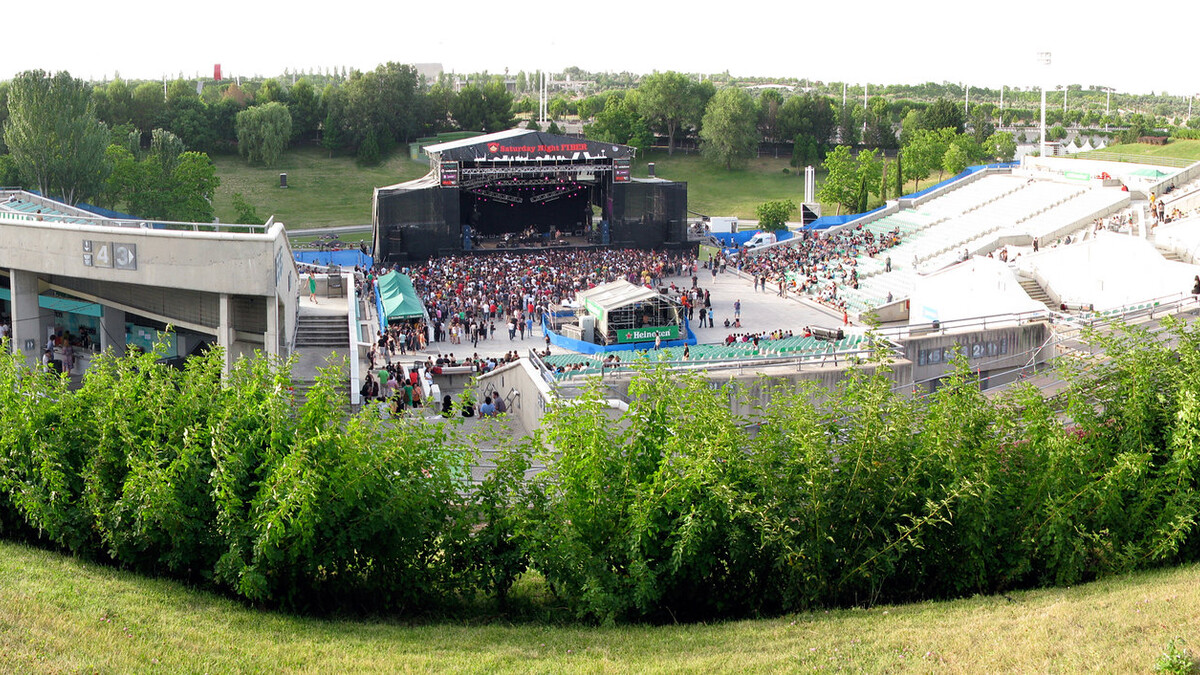
The winning bidder must program at least 60% of activities for general public cultural, sports, or leisure use. The remaining 40% can be dedicated to private events such as conferences or trade fairs. Additionally, the operator will be required to open the venue to the public, though specific details on access are still emerging.
- 35-year concession with a possible 5-year extension.
- 60% public use for cultural, sports, or leisure activities.
- 40% private events allowed for revenue generation.
- Public ownership retained under a demanial concession.
- Bid deadline set for November 24.
Why the Auditorium Matters
The Juan Carlos I Park auditorium holds significant cultural and historical value for Madrid. Its design by Fernández-Alba is celebrated, and its past as a major concert venue underscores its potential as a vibrant hub. However, years of neglect have turned it into an eyesore, prompting repeated calls for rehabilitation.
In 2017, the Ahora Madrid team pushed for its restoration, and in June 2021, the City Council announced a feasibility study and promised reform. Those promises went unfulfilled, and in December 2024, the Barajas District Board rejected a PSOE proposal to rehabilitate and manage it with Madrid Destino. This latest tender represents a renewed effort to break the deadlock.
Who Stands to Benefit
Local residents and the broader Madrid community could gain a revitalized cultural venue, boosting local pride and providing a much-needed space for events. The private operator, meanwhile, gets a long-term concession to generate revenue through private events while fulfilling public service obligations.
The city council benefits from offloading rehabilitation and management costs while retaining ownership. However, the success hinges on attracting a capable operator willing to invest in the site's restoration and programming.
Risks and Challenges
The concession model carries inherent risks. Past attempts to rehabilitate the auditorium have failed, and the site's deteriorated condition may require substantial upfront investment. The 60/40 split between public and private use could also be challenging to balance, especially if private events are needed to subsidize public programming.
Furthermore, the 35-year term is a long commitment, and the selected operator must navigate potential economic fluctuations and changing cultural tastes. The city will need to enforce strict maintenance and programming standards to ensure the venue serves the public interest. The background to this story is set out in Rodri Contract News: Manchester City Hopeful, Real Madrid. A related thread runs through Trending: latest articles. Earlier coverage in Madrid's 23,000 m² Wave Pool: Europe's Largest Surf Dream shows how the argument developed.
What to Watch Next
The bid deadline of November 24 will reveal the level of private interest. If successful, the concession could serve as a model for other public-private partnerships in Madrid. If not, the auditorium may continue to languish, prompting further debate over its future. A closer look at the same subject appears in Madrid's Street Bench Shortage Prompts 1,602 New Seats. Anyone following the wider picture can start with Madrid's La Moraleja Luxury Urbanization Fights 47-Meter Power Tower. The same theme surfaces in Madrid's New Ventas Park Over M-30 Reaches 70% Completion, which takes a different angle.
Stakeholders should monitor the tender process closely, including the criteria for selection and the specific obligations imposed on the operator. The outcome will signal whether Madrid can effectively leverage private capital to revive its cultural infrastructure. Context on how this played out before sits in Madrid Rio Needs 400 Million Euro Investment to Fix M-30.
| Key Detail | Information |
|---|---|
| Concession Duration | 35 years, extendable by 5 |
| Public Use Requirement | At least 60% of activities |
| Private Use Allowance | Up to 40% for events |
| Bid Deadline | November 24 |
| Last Concert | Guns N' Roses, 2006 |
FAQ
What is the Juan Carlos I Park auditorium?
It is Madrid's largest open-air auditorium, inaugurated in 1992 and designed by Antonio Fernández-Alba. It has been abandoned since its last concert in 2006.
Why is Madrid privatizing the auditorium?
The city aims to rehabilitate the site without bearing the full cost, leveraging private investment while retaining public ownership and ensuring public access.
What are the requirements for the operator?
The operator must program at least 60% of activities for public cultural, sports, or leisure use, with the remaining 40% for private events. They must also open the venue to the public.
When is the deadline for bids?
The deadline for submitting offers is November 24. The concession will last 35 years, with an option to extend for five more.
Browse the Shop
 Acacia frida deluxe solid wood bed frame |
Bedroom bench |
Bed chest drawers |
Lingerie dresser |
Frame base |
Mirror with jewelry storage |
30 Bathroom Vanity |
Memory foam queen mattress |
Mattresses for back pain |
Nightstand set of 2 |
Grand Goldman Shop |
Civil Lawyer
Deutschland Trikot WM 2026







