

North Korea is enduring one of its most intense heatwaves in recent years, with temperatures nearing 40 degrees Celsius (104 Fahrenheit) and tropical nights preventing any relief. In response, the regime of Kim Jong-un has revived a recommendation that has long been part of its official discourse: combat the heat by eating dog meat soup, a traditional dish it presents as especially nutritious for enduring the summer.
State media have urged citizens to consume dangogi guk, the traditional dog meat soup, as part of measures to cope with the heatwave. The suggestion appeared alongside conventional medical advice, such as staying hydrated, eating watermelon, cucumber, or mung beans, and knowing first aid for heatstroke. However, the inclusion of this dish once again placed an old culinary tradition at the center of debate.
Find Original Home Decor sparking conversation at Grand Goldman Shop.

Why North Korea Is Promoting Dog Meat Soup During the Heatwave
This is not a whimsical idea but a traditional remedy. For decades, the regime has presented dog meat soup as a tonic capable of strengthening the body during the hottest months. Doctors interviewed by official press argue that it helps prevent the worsening of cardiovascular diseases, diabetes, or hormonal disorders triggered by heat stress.
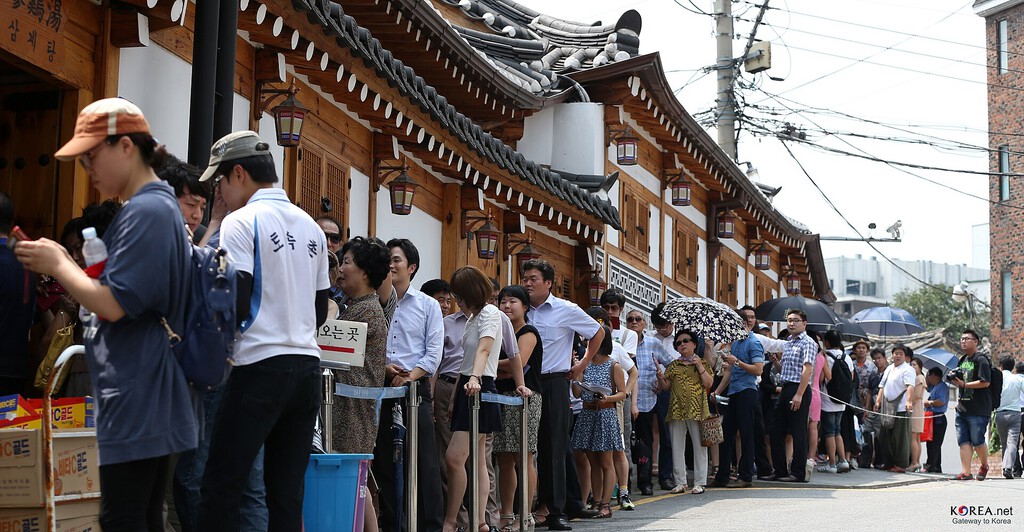
The recommendation comes as North Korea faces extreme weather that strains an already fragile infrastructure. With limited access to air conditioning and reliable electricity, many citizens rely on traditional methods to cope with the heat. The regime's promotion of dog meat soup serves both a practical and ideological purpose: it reinforces self-reliance and national identity while offering a familiar solution.
The Controversial Tradition Behind Dangogi Guk
Dog meat consumption has a long history in Korea, though it has become increasingly controversial in South Korea and internationally due to animal welfare concerns. In North Korea, the practice remains officially endorsed and is often framed as a matter of national pride.
The dish, also known as boshintang in South Korea, is typically prepared as a stew with dog meat, vegetables, and herbs. Proponents claim it boosts stamina and virility, especially during the summer months. Critics, however, view it as cruel and outdated.
What the Regime's Messaging Reveals
By highlighting dog meat soup amid a heatwave, North Korean state media is doing more than offering dietary advice. It is reinforcing a narrative of resilience and self-sufficiency in the face of external criticism and domestic hardship. The regime often uses food-related propaganda to promote unity and obedience.
This approach is consistent with past campaigns that emphasize traditional Korean culture as a counterpoint to foreign influences. The heatwave provides a convenient backdrop to reiterate these messages.
Heatwave Conditions in North Korea
The current heatwave is among the worst in recent memory, with temperatures soaring to near 40°C (104°F). Tropical nights, where temperatures remain above 25°C (77°F), prevent the body from recovering overnight, increasing the risk of heat-related illnesses.
Such extreme weather can be particularly dangerous in North Korea, where many homes lack air conditioning and the power grid is unreliable. The elderly, children, and those with pre-existing health conditions are most vulnerable.
Official Advice Beyond Dog Meat Soup
State media also included standard heat safety tips: drink plenty of water, eat hydrating fruits and vegetables like watermelon and cucumber, and learn first aid for heatstroke. These recommendations align with global health guidance, though the addition of dog meat soup stands out.
The mix of conventional and traditional advice reflects the regime's dual approach: appear modern and science-based while promoting ideological conformity.
Health Claims and Scientific Perspectives
North Korean doctors quoted in state media claim that dog meat soup can prevent the worsening of cardiovascular diseases, diabetes, and hormonal disorders caused by heat stress. These claims are not supported by mainstream medical science.
While dog meat is high in protein and fat, there is no evidence that it offers unique benefits for heat resilience. Proper hydration, cooling, and rest are the universally recommended measures for combating heatwaves.
Risks of Relying on Traditional Remedies
Relying on unproven remedies can be dangerous, especially during extreme heat. People may delay seeking proper medical attention or neglect basic precautions like staying in cool environments.
In North Korea, where access to healthcare is limited, such reliance could exacerbate health risks. The regime's endorsement of dog meat soup may therefore have unintended consequences.
International Reactions and Animal Welfare Concerns
The recommendation has drawn criticism from animal welfare groups and international observers. Dog meat consumption is increasingly stigmatized globally, and South Korea has recently moved to ban the practice.
North Korea's promotion of the dish could further isolate it internationally and draw attention to its human rights record. However, the regime likely anticipates such criticism and uses it to bolster its narrative of resisting foreign pressure.
South Korea's Changing Stance
In South Korea, dog meat consumption has declined sharply, and a bill to ban it was passed in 2024. This shift reflects changing societal attitudes and pressure from animal rights activists.
North Korea's contrasting stance highlights the growing cultural divide between the two Koreas. It also underscores the North's determination to maintain its distinct identity.
What to Watch Next
As the heatwave continues, North Korea may face further challenges in managing public health and energy demands. The regime's reliance on traditional remedies like dog meat soup may intensify as it seeks to project strength and self-sufficiency. The background to this story is set out in North Korea Fortifies Border With South Korea: DMZ Mine Threat. A related thread runs through North Korea to Restart Propaganda Loudspeakers at South Korea Border. Earlier coverage in South Korea's Historic Dog Meat Ban Ends a Summer Tradition shows how the argument developed.
Observers will watch for any signs of unrest or increased propaganda around the heatwave. The international community will also monitor North Korea's animal welfare practices and human rights situation. A closer look at the same subject appears in South Korea Heatwave: Highest Temperature Ever Recorded. Anyone following the wider picture can start with US Braces for Record Breaking Summer Heat Intense El Niño. The same theme surfaces in Southern California Heatwave Breaks October Records, which takes a different angle.
For now, the recommendation serves as a reminder of the stark differences between North Korea and the rest of the world, both in terms of governance and culture. Context on how this played out before sits in UK Heatwave Health Alert: Britain Braces for Fourth Heatwave of. A companion piece, Trump Cuts Korea Drills Amid North Korea Battlefield Lessons, approaches the same subject from another angle.
FAQ
What is dangogi guk?
Dangogi guk is a traditional North Korean soup made with dog meat, vegetables, and herbs. It is often promoted as a nutritious dish that boosts stamina, especially during the summer months.
Why is North Korea recommending dog meat soup during the heatwave?
North Korean state media recommend dog meat soup as a traditional remedy to strengthen the body and prevent heat-related illnesses. The regime presents it as a nutritious food that helps cope with the summer heat, alongside conventional advice like hydration.
Is dog meat soup scientifically proven to help with heat?
There is no scientific evidence that dog meat soup offers specific benefits for heat resilience. Mainstream medical advice focuses on hydration, cooling, and rest. The claims made by North Korean doctors are not supported by international health organizations.
How do other countries view dog meat consumption?
Dog meat consumption is increasingly criticized globally due to animal welfare concerns. South Korea has recently passed a ban, and many countries consider the practice unacceptable. North Korea's promotion of the dish is likely to draw international criticism.
Browse the Shop
 Acacia frida deluxe solid wood bed frame |
Bedroom bench |
Bed chest drawers |
Lingerie dresser |
Frame base |
Mirror with jewelry storage |
30 Bathroom Vanity |
Memory foam queen mattress |
Mattresses for back pain |
Nightstand set of 2 |
Grand Goldman Shop |
Civil Lawyer
Deutschland Trikot WM 2026







