

OpenAI is reportedly developing its own AI device, and the project has tech watchers buzzing. While the company hasn't officially announced a product, a series of leaks and confirmed acquisitions point to a serious push into hardware. Here's what we know so far about OpenAI's ambitions beyond software.
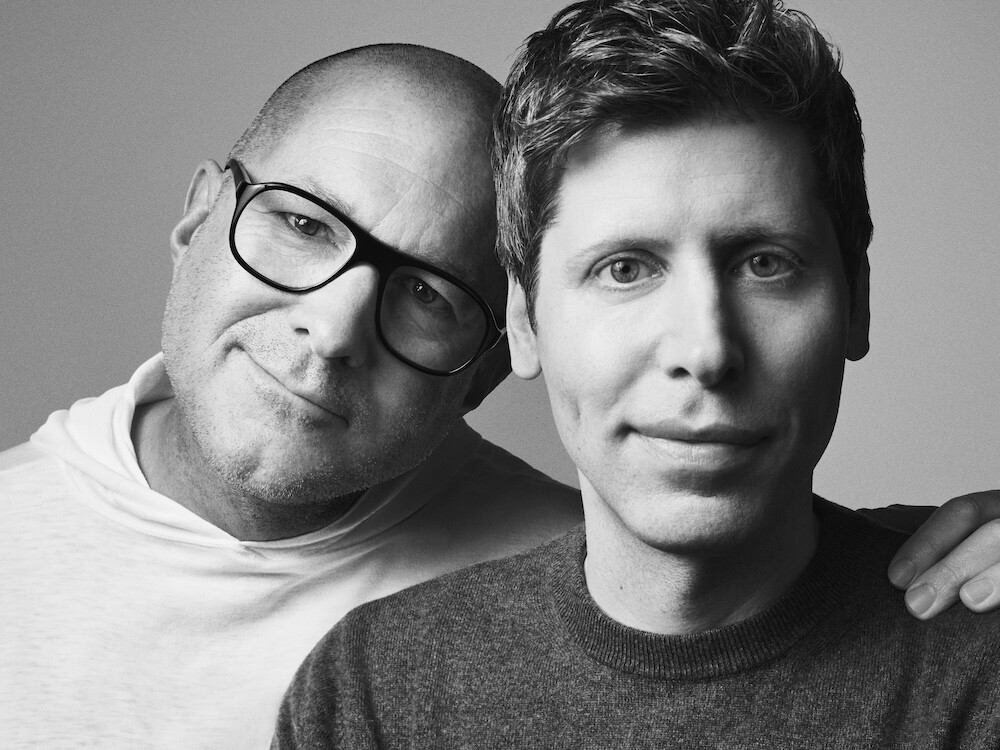
The story begins with Jony Ive, Apple's former design chief who left in 2019 to found LoveFrom. In 2024, he co-founded io Products, a startup focused on building physical products powered by generative AI. By May 2025, OpenAI had acquired io Products, confirming that the two companies were working together on something big.
Find Original Home Decor sparking conversation at Grand Goldman Shop.

Why OpenAI Wants Its Own AI Device
The smartphone has been the dominant computing platform for over a decade, but the rise of AI has sparked a search for what comes next. Some believe phones will remain central, others bet on glasses, and some envision entirely new form factors. OpenAI's move suggests it wants to shape that future directly.
Earlier attempts at AI hardware, like Humane's AI Pin, have struggled. But OpenAI's partnership with Ive—arguably the most influential industrial designer of his generation—signals a more ambitious approach. The goal likely isn't just another gadget, but a device that makes AI feel natural and indispensable.
The Jony Ive Connection and io Products
Jony Ive's design philosophy has always centered on simplicity and elegance. After leaving Apple, he founded LoveFrom, a creative studio that worked on projects ranging from software to architecture. In 2024, he co-founded io Products to focus specifically on AI-driven hardware.
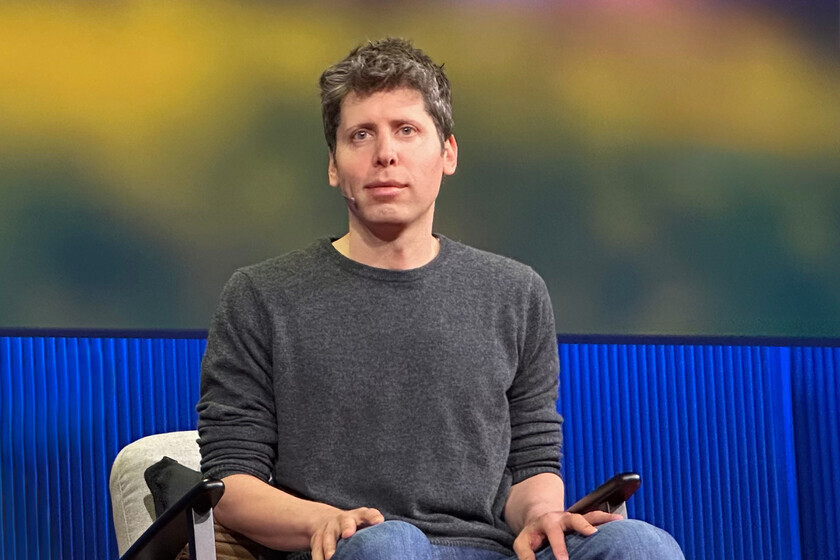
The New York Times first reported in September 2024 that io and OpenAI were collaborating on an AI product. Months later, OpenAI acquired the startup. In a joint letter, Sam Altman and Ive said their collaboration began two years earlier, driven by "friendship, curiosity, and shared values." That close relationship likely gives OpenAI a design edge that pure tech companies often lack.
What the Leaks Suggest About the Device
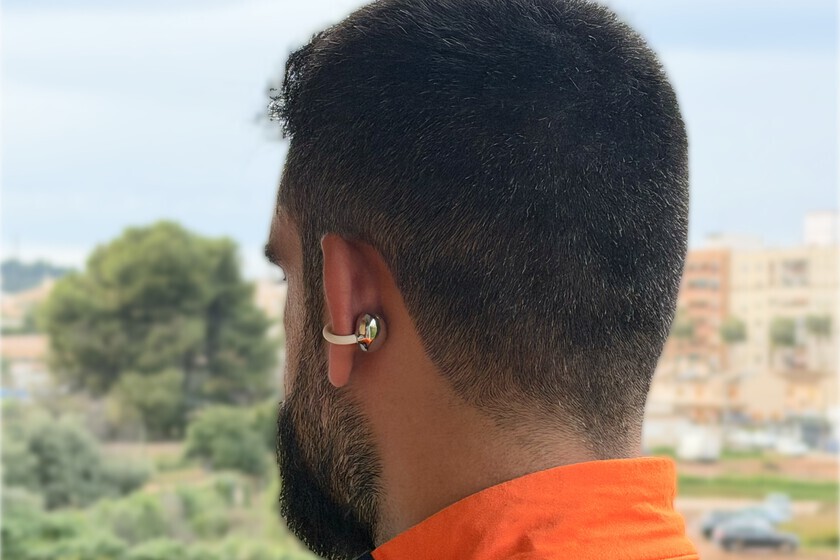
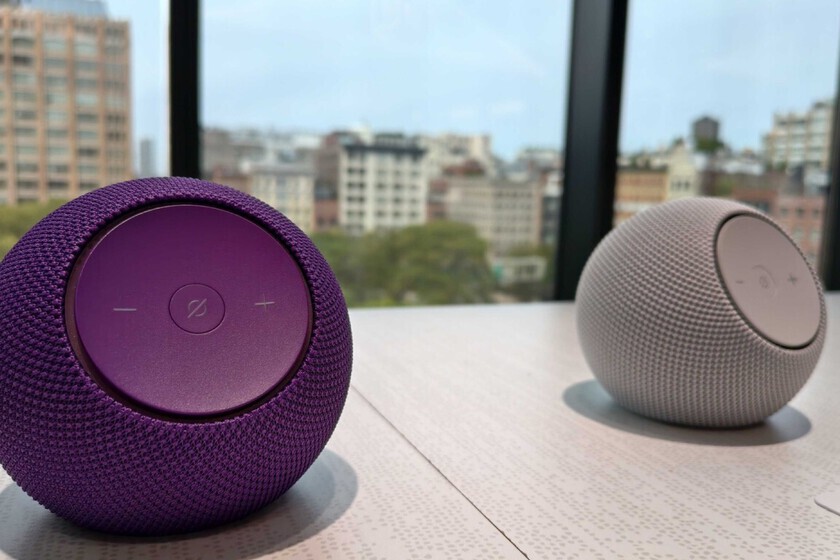
Specific details remain scarce, but leaks hint at a device that prioritizes voice and ambient interaction over screens. Some reports suggest it could be a wearable or a small, screenless gadget that uses AI to understand context and respond intuitively. The emphasis seems to be on seamless integration into daily life rather than flashy features.
OpenAI has already demonstrated strong capabilities in natural language processing and multimodal AI. A dedicated device could leverage these strengths to offer a more personal assistant experience, one that learns from your environment and habits without requiring constant screen taps.
Challenges and Competition
Building hardware is hard, especially for a software company. OpenAI will face supply chain complexities, manufacturing hurdles, and the need to create a compelling user experience from scratch. The Humane AI Pin's lukewarm reception shows that consumers expect flawless execution.
Competition is also heating up. Google, Amazon, and Meta are all investing in AI hardware, from smart glasses to smart speakers. Apple, with its deep integration of hardware and software, remains a formidable player. OpenAI will need to differentiate its device through superior AI and design. Context on how this played out before sits in OpenAI's AI Device: What We Know About the Jony Ive Project.
Key Takeaways
- OpenAI acquired Jony Ive's io Products in May 2025, confirming a hardware collaboration.
- The device is expected to focus on AI-first interaction, possibly with a screenless or wearable design.
- Jony Ive's design expertise could give OpenAI a significant edge in creating a desirable product.
- Challenges include manufacturing, user experience, and competition from tech giants.
- No official release date or pricing has been announced.
How It Might Compare to Existing AI Devices
| Device | Key Features | Status |
|---|---|---|
| OpenAI's AI Device (rumored) | AI-first interaction, Jony Ive design, likely voice/ambient focus | In development |
| Humane AI Pin | Wearable projector, voice assistant, laser display | Released, mixed reviews |
| Rabbit R1 | Handheld AI assistant, large action model | Released, limited functionality |
| Meta Ray-Ban Smart Glasses | Camera, audio, AI assistant | Available, positive reception |
The table above shows that early AI hardware has been a mixed bag. OpenAI's device will need to avoid the pitfalls of its predecessors by delivering on promises and ensuring real utility. The background to this story is set out in OpenAI Finds Sophisticated Recording Device, Involves FBI. A related thread runs through Trending: latest articles.
What to Watch Next
OpenAI has been tight-lipped about timelines. Given the acquisition closed in 2025, a reveal could come in late 2025 or 2026. Regulatory filings, supply chain leaks, and patent applications may offer clues in the meantime. Also watch for hiring sprees in hardware roles at OpenAI. Earlier coverage in Fire TV Stick Deals: Save Big on HD, 4K Select, and 4K Plus Models shows how the argument developed. A closer look at the same subject appears in Amazon Deals Today: Fire TV Stick 4K Plus and Xiaomi Watch S4 Offers.
Another factor is OpenAI's broader strategy. The company is under pressure to monetize its AI models, and hardware could be a new revenue stream. However, it also risks alienating partners like Apple and Google if the device competes with their platforms. Anyone following the wider picture can start with AirTag 2 Four-Pack Deal: Track Luggage and Essentials for Less. The same theme surfaces in Nvidia's Hugging Face Buy: OpenAI's Jalapeño Chip Changes AI Race, which takes a different angle.
FAQ
What is OpenAI's AI device?
It's a rumored hardware product that OpenAI is developing, likely with a focus on AI-first interaction. The project stems from OpenAI's acquisition of Jony Ive's startup io Products.
When will it be released?
No official release date has been announced. Given the acquisition in May 2025, industry analysts speculate a reveal could happen in late 2025 or 2026.
What role does Jony Ive play?
Jony Ive is a key figure through his startup io Products, which OpenAI acquired. His design expertise is expected to shape the device's look and feel, emphasizing simplicity and elegance.
How is it different from other AI gadgets?
While devices like the Humane AI Pin and Rabbit R1 have faced criticism for limited functionality, OpenAI's device could leverage advanced AI models and Ive's design to offer a more polished, intuitive experience.
Browse the Shop
 Acacia frida deluxe solid wood bed frame |
Bedroom bench |
Bed chest drawers |
Lingerie dresser |
Frame base |
Mirror with jewelry storage |
30 Bathroom Vanity |
Memory foam queen mattress |
Mattresses for back pain |
Nightstand set of 2 |
Grand Goldman Shop |
Civil Lawyer
Deutschland Trikot WM 2026







