

Sleeping with air conditioning may seem like the ultimate summer comfort, but a cardiologist warns that it can be the biggest mistake for your sleep. Dr. José Abellán points out that humans are designed to sleep in an environment where the temperature naturally drops at night, not one artificially chilled for hours. That mismatch, he argues, can disrupt rest more than we realize.
The story of air conditioning itself is telling. In 1902, engineer Willis Carrier invented the modern AC unit not to help people sleep or beat heat waves, but to prevent paper from warping due to humidity in a Brooklyn printing plant. Over a century later, that machine—designed to save ink and paper—now regulates something far more delicate: our own sleep.
Find Original Home Decor sparking conversation at Grand Goldman Shop.

Why Sleeping With Air Conditioning Feels Wrong
Every summer, the same question returns: is it a good idea to sleep with air conditioning? The answer isn't as simple as yes or no. According to Dr. Abellán, the issue isn't that AC is inherently bad, but that it breaks the natural thermal pattern our bodies expect—going from daytime heat to a constant, intense cold can alter rest more than we think.
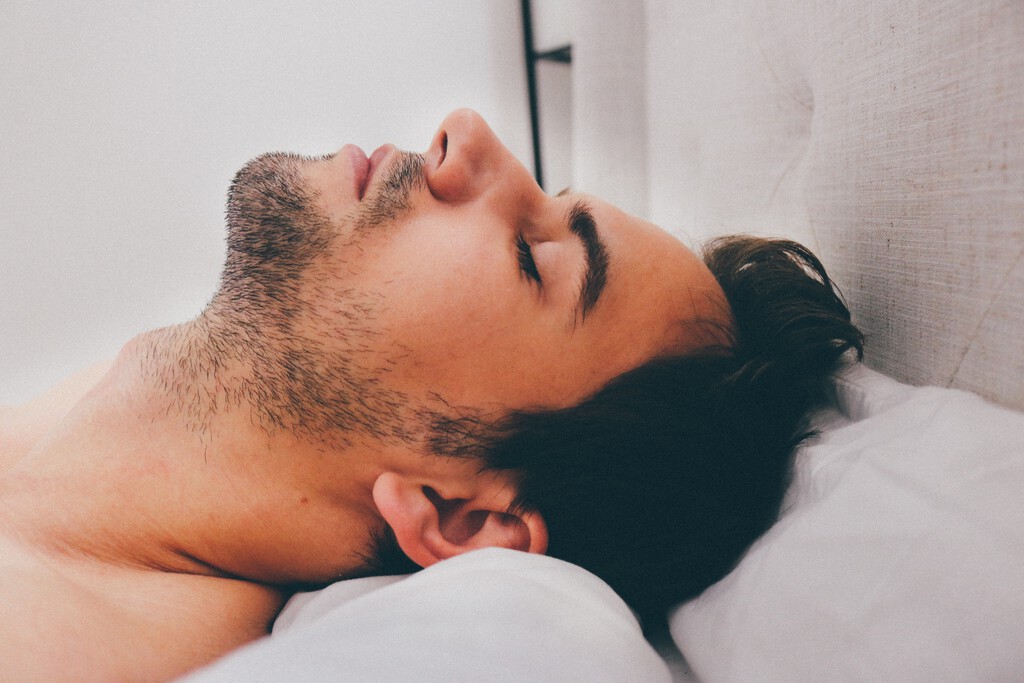
Sleep science has long confirmed a specific mechanism: to initiate and maintain deep sleep, core body temperature must drop slightly. That decline is a biological signal that it's time to rest. Air conditioning plays an ambiguous role here. Used well, it can help facilitate that process. Used poorly, it can sabotage it.
The Natural Temperature Drop Your Body Expects
Our physiology is built around cycles. As evening approaches, melatonin rises and core temperature begins to fall, preparing the body for sleep. In a natural environment, the nighttime air cools gradually, supporting this internal shift. Air conditioning, however, can create an artificial cold that overrides this rhythm.
When the room is chilled too intensely or for too long, the body may struggle to regulate itself. Blood vessels constrict, muscles tense, and the natural drop in core temperature becomes confused with external cold stress. Instead of easing into deep sleep, the body remains on alert, which can lead to lighter, more fragmented rest.
How to Use Air Conditioning Without Ruining Your Sleep
The goal isn't to abandon AC entirely, especially during heat waves. Rather, it's to mimic the natural nighttime cooling curve. Dr. Abellán's point is that we should avoid an artificially frozen environment for hours on end. A moderate, steady temperature that gradually decreases is more aligned with what the body expects.
Practical adjustments can make a big difference. Setting the thermostat a few degrees higher than daytime comfort, using a timer so the AC turns off or raises temperature in the early hours, and avoiding direct airflow on the body are simple steps. These help preserve the natural thermal signal without sacrificing comfort.
- Avoid extreme cold: Keep the room cool, not freezing—aim for a temperature that feels neutral, not icy.
- Use a timer: Let the AC run initially to help you fall asleep, then raise the temperature or turn it off.
- Direct airflow away: Point vents away from the bed to prevent localized chilling.
- Monitor humidity: AC dries the air; consider a humidifier if you wake with dry throat or congestion.
- Listen to your body: If you wake up stiff or congested, your AC settings may be too aggressive.
What the Science Says About Sleep and Temperature
Research consistently shows that environmental temperature affects sleep quality. The ideal bedroom temperature for most adults is often cited around 60-67°F (15-19°C), but individual comfort varies. The key is stability and avoiding extremes. A room that's too cold can cause shivering and discomfort, while a room that's too warm disrupts the initial temperature drop needed for sleep onset. The longer history behind the story is traced in Sleeping With Air Conditioning: Expert Reveals the Biggest Mistake.
Dr. Abellán's warning aligns with this: it's not about avoiding AC, but about using it in a way that supports rather than fights your biology. The natural drop in core temperature is a signal, and an artificially cold room can mask or confuse that signal. The background to this story is set out in BedJet Review: Cool Air Between Sheets for Better Sleep. A related thread runs through BedJet Review: Cool Air Between Sheets Actually Improved My Sleep. Earlier coverage in BedJet Review: Cool Air Blowing Between Sheets for Better Sleep shows how the argument developed.
| Factor | Natural Sleep Environment | Overly Cold AC Environment |
|---|---|---|
| Temperature trend | Gradual decline | Sudden, constant cold |
| Core body temperature | Drops naturally | May be forced down externally |
| Sleep quality | Supports deep sleep | Can cause fragmentation |
| Physical comfort | Adapts with bedding | Risk of shivering, dryness |
Who Is Most Affected by AC While Sleeping?
Older adults, children, and people with respiratory conditions may be particularly sensitive to artificial cold and dry air. For them, the disruption to natural temperature regulation can be more pronounced. Those with cardiovascular issues should also be cautious, as sudden cold can constrict blood vessels and affect circulation. A closer look at the same subject appears in Trending: latest articles. Anyone following the wider picture can start with AC Condensation Leaks: Avoid Fines for Dripping Water on Streets. The same theme surfaces in Spain's North Faces Heat Waves and a Surge in Air Conditioning Demand, which takes a different angle.
If you fall into any of these groups, it's worth experimenting with gentler AC settings or alternative cooling methods like fans or breathable bedding. The goal is to stay comfortable without overriding the body's natural sleep signals. Context on how this played out before sits in Fitnexa DUVA ONE Sleep Earbuds Solve Side-Sleeping Pain. A companion piece, Sleeping With Pets Ruins Your Rest, Science Confirms, approaches the same subject from another angle.
FAQ
Is it bad to sleep with air conditioning on all night?
It can be problematic if the room becomes too cold for too long. Sleeping in an artificially chilled environment may disrupt the natural drop in core body temperature that signals sleep. Using a timer or setting a moderate temperature can help.
What temperature should I set the AC to for sleep?
Most sleep experts suggest keeping the bedroom around 60-67°F (15-19°C). However, the key is to avoid extremes and aim for a temperature that feels neutral and comfortable, not freezing.
Why does sleeping with AC make me feel congested?
Air conditioning removes humidity from the air, which can dry out nasal passages and lead to congestion or discomfort. Using a humidifier or not running the AC at full blast can mitigate this.
Can sleeping with air conditioning cause health problems?
For most people, moderate use is fine. But excessive cold or dry air can cause issues like muscle stiffness, dry skin, and respiratory irritation. Those with heart or lung conditions should be especially mindful.







