

South Korea's birth rate is showing signs of recovery after years of decline, with May 2026 marking the 23rd consecutive month of rising births. This turnaround raises a critical question: is the country finally overcoming its demographic crisis, or is this merely a temporary "demographic echo"?
According to the Ministry of Statistics, 23,160 babies were born in May 2026, a 13.6% increase from the same month in 2025. The total for the first five months of the year reached 122,694. These figures offer a rare piece of good news for a nation that has struggled with one of the world's lowest fertility rates.
Find Original Home Decor sparking conversation at Grand Goldman Shop.

What's Behind South Korea's Birth Rate Recovery?
The recent uptick in births is not entirely unexpected. Demographers point to a combination of factors, including a rebound from the pandemic-era decline and the impact of previous government policies aimed at encouraging childbirth.
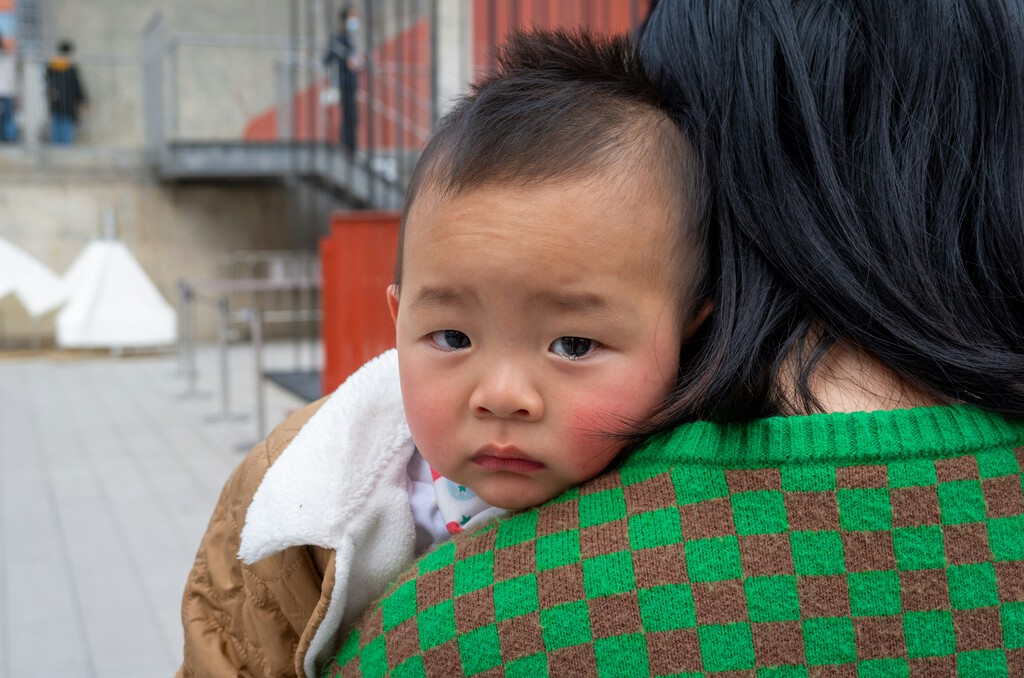
South Korea has invested heavily in pro-natalist measures, such as cash incentives, childcare subsidies, and housing support for young families. These efforts may be starting to bear fruit, although experts caution that the increase is partly due to a "demographic echo"—a temporary bump caused by the large cohort of women born in the early 1990s reaching their prime childbearing years.

The Role of Immigration and Policy Support
While immigration has been a lifeline for many aging societies, South Korea has been relatively slow to open its doors. Instead, the government has focused on making parenthood more attractive for its own citizens. The recent data suggests that these policies, combined with a slight improvement in economic conditions for young adults, may be having an effect.
However, the underlying challenges remain. South Korea's fertility rate—the average number of children a woman is expected to have—was 0.72 in 2023, far below the replacement level of 2.1. Even with the recent increase, the rate is still among the lowest in the world.
- 23 consecutive months of rising births as of May 2026.
- 13.6% increase in births compared to May 2025.
- 122,694 births in the first five months of 2026.
- Fertility rate still below 1.0, despite the uptick.
- Government policies and a demographic echo are key drivers.
Is This a Real Recovery or a Demographic Echo?
To determine whether the recovery is sustainable, it's important to look at the underlying demographic trends. A "demographic echo" occurs when a temporary increase in births happens because a large generation reaches childbearing age. In South Korea's case, the echo comes from the generation born in the early 1990s, when birth rates were higher.
Once this cohort passes its prime reproductive years, the number of potential mothers will shrink again. Without a sustained increase in the fertility rate—meaning more children per woman—the recent gains could be reversed in the coming decades.
Comparing South Korea to Other Countries
South Korea is not alone in facing a demographic crisis. Japan, China, and many Western countries have been grappling with low birth rates for years. However, South Korea's situation has been particularly severe, with its fertility rate plummeting to record lows.
What sets South Korea apart is the speed of its decline and the scale of its government response. The country has spent billions of dollars on incentives, yet the impact has been limited until recently. The current uptick offers a glimmer of hope but also serves as a warning: without addressing the root causes, such as high housing costs and work-life balance, the recovery may be short-lived.
| Indicator | May 2025 | May 2026 | Change |
|---|---|---|---|
| Monthly births | ~20,400 | 23,160 | +13.6% |
| Births Jan-May | ~108,000 | 122,694 | +13.6% |
| Consecutive months of growth | 11 | 23 | +12 months |
| Fertility rate (2023) | 0.72 | 0.72 (est.) | Stable |
What This Means for South Korea's Future
The recent birth data is undoubtedly positive, but it does not solve South Korea's demographic challenges overnight. The country still faces a shrinking workforce, an aging population, and the fiscal burden of supporting retirees. The background to this story is set out in China's Falling Birth Rate Meets AI Companionship: A Worsening Crisis. A related thread runs through Singapore's S$70,000 Baby Bonus: Can It Boost Birth Rates. Earlier coverage in Japan's Demographic Crisis: Toyama Officials Accused of Adding 2,000 Fake shows how the argument developed.
If the recovery is genuine, it could ease some of these pressures. A higher birth rate would eventually lead to a larger working-age population and help sustain economic growth. However, if the increase is merely a demographic echo, South Korea will need to rely on other measures, such as immigration and productivity gains, to mitigate the effects of population decline. A closer look at the same subject appears in Birth Rates Plummeting: Spermageddon, Greedy Jobs, and Fear. Anyone following the wider picture can start with Europe's Demographic Crisis: The Young Face Heavy Consequences. The same theme surfaces in Europe's Demographic Crisis: Why the Young Will Pay the Price, which takes a different angle.
For now, the government is cautiously optimistic. Officials have credited the rise to expanded parental leave, increased child allowances, and improved childcare infrastructure. But they also acknowledge that more needs to be done to make parenting compatible with careers, especially for women. Context on how this played out before sits in Europe's Demographic Crisis: The Young Must Not Bear the Cost. A companion piece, Europe's Demographic Crisis: Young Face Consequences, approaches the same subject from another angle.
FAQ
Is South Korea's birth rate actually increasing?
Yes, South Korea's birth rate has been increasing for 23 consecutive months as of May 2026. The number of births in May 2026 was 13.6% higher than in May 2025, and the total for the first five months of the year reached 122,694.
What is a "demographic echo" in the context of birth rates?
A demographic echo refers to a temporary increase in births caused by a large generation reaching childbearing age. In South Korea, the echo comes from the generation born in the early 1990s, when birth rates were higher. Once this cohort ages out of prime reproductive years, births may decline again unless the fertility rate rises sustainably.
What policies has South Korea implemented to boost births?
South Korea has introduced a range of pro-natalist policies, including cash incentives, childcare subsidies, housing support for young families, expanded parental leave, and increased child allowances. These measures aim to reduce the financial burden of raising children and encourage couples to have more kids.
Will the recent increase solve South Korea's demographic crisis?
Not on its own. While the recent increase is positive, South Korea's fertility rate remains well below replacement level. To fully address the crisis, the country would need sustained increases in the fertility rate, as well as complementary measures such as immigration and productivity improvements.
Browse the Shop
 Acacia frida deluxe solid wood bed frame |
Bedroom bench |
Bed chest drawers |
Lingerie dresser |
Frame base |
Mirror with jewelry storage |
30 Bathroom Vanity |
Memory foam queen mattress |
Mattresses for back pain |
Nightstand set of 2 |
Grand Goldman Shop |
Civil Lawyer
Deutschland Trikot WM 2026







