

Spain's supermarket sector is witnessing a fierce battle for market share, with Mercadona's rivals racing to open hundreds of neighborhood stores across the country. This strategic shift from large hypermarkets to smaller, convenience-focused supermarkets is reshaping the retail landscape and could mean more savings for your weekly shop.
Why Supermarkets Are Abandoning Hypermarkets
For years, sprawling hypermarkets on city outskirts dominated Spanish retail. But changing consumer habits have forced a rethink. Shoppers now prioritize proximity and convenience over one-stop mega-stores.
Find Original Home Decor sparking conversation at Grand Goldman Shop.

As a result, major chains are pivoting to smaller formats that fit seamlessly into urban neighborhoods. This isn't just a trend—it's a fundamental realignment of how Spaniards buy groceries.
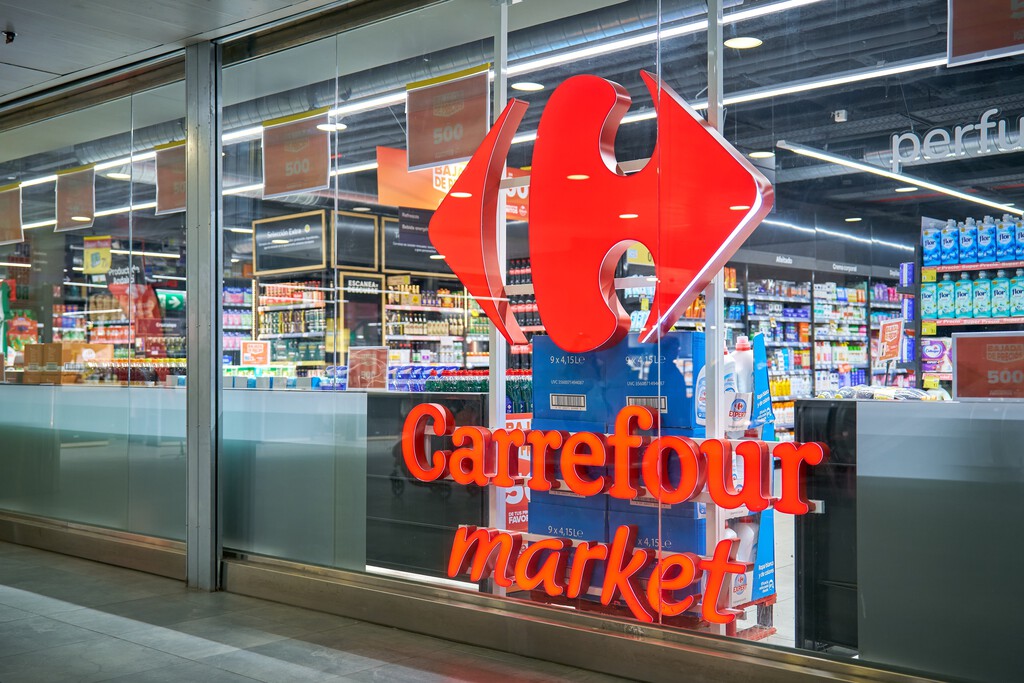
The Numbers Behind the Expansion
According to elEconomista, if current plans hold, hundreds of new supermarkets will open across Spanish cities this year alone. Just three chains—Carrefour, Dia, and Alcampo—are set to add nearly 350 stores combined.
Others like Eroski, Consum, Unide, Lidl, and Aldi are also joining the fray, either through direct management or franchises. The scale of this expansion is unprecedented and signals a new era of competition.
Carrefour Leads the Charge
French giant Carrefour is at the forefront, aiming to open 750 convenience stores in Spain by the end of the decade, primarily under the Carrefour Express banner. This aggressive push underscores the company's commitment to capturing urban shoppers.
What This Means for Your Wallet
More stores mean more competition, and that's generally good news for consumers. As chains vie for your attention, they're likely to offer aggressive promotions, loyalty programs, and price cuts to win you over.
Additionally, the rise of private labels—already a strong suit for Mercadona—is being embraced by competitors. This gives you more affordable alternatives without sacrificing quality.
- Increased competition drives down prices across the board.
- More convenient locations reduce travel time and costs.
- Expanded private label offerings provide budget-friendly options.
- Loyalty programs and discounts become more generous to attract customers.
- Better fresh food availability as stores focus on quality to differentiate.
The Battle for Market Share
Mercadona remains the undisputed leader in Spain's grocery sector, but its rivals are not standing still. By opening smaller stores closer to where people live, they hope to chip away at Mercadona's dominance.
This strategy also allows them to adapt quickly to local tastes and preferences, something large hypermarkets struggle with. The result is a more dynamic and responsive market.
Key Players and Their Strategies
Each chain has its own approach. Dia is focusing on refurbishing existing stores and expanding its proximity format. Alcampo is experimenting with urban stores while maintaining its hypermarket base. The longer history behind the story is traced in King Felipe VI Acknowledges Colonial Abuses in Mexico.
Lidl and Aldi, known for their discount model, are also expanding, putting pressure on traditional supermarkets to keep prices low. This multi-pronged attack ensures that no player can afford to be complacent. The background to this story is set out in Spain Supermarket War: Private Label Brands Now Winning. A related thread runs through Spanish Hypermarkets Decline as Supermarkets Dominate 91.8% of Food Retail. Earlier coverage in Mercadona Portugal: 55% of Households Now Shop at the Chain shows how the argument developed.
| Chain | Planned Openings | Primary Format |
|---|---|---|
| Carrefour | 750 by 2030 | Carrefour Express (convenience) |
| Dia | ~150 (2025) | Neighborhood supermarkets |
| Alcampo | ~100 (2025) | Urban stores |
| Lidl | Undisclosed | Discount supermarkets |
| Aldi | Undisclosed | Discount supermarkets |
What to Watch Next
As these new stores open, keep an eye on pricing strategies and promotional offers. The competition is likely to intensify, especially in urban areas where multiple chains will operate in close proximity. A closer look at the same subject appears in Froiz Thrives as Regional Supermarkets Resist Mercadona. Anyone following the wider picture can start with Mercadona Market Share Stalls: What the Data Reveals. The same theme surfaces in Spain's Prepared Food Boom: Supermarket Meals Sales Surge 55%, which takes a different angle.
Also, watch for innovations in store formats and services, such as click-and-collect and rapid delivery, as retailers seek to differentiate themselves. Ultimately, the consumer stands to gain from this retail revolution. Context on how this played out before sits in Mercadona's Profit Engine: How It Crushes Rivals on Efficiency. A companion piece, Barcelona's 24-Hour Supermarkets Challenge Mercadona, approaches the same subject from another angle.
FAQ
Why are supermarkets opening smaller stores in Spain?
Supermarkets are shifting to smaller formats to be closer to customers, adapt to changing shopping habits, and compete more effectively with market leader Mercadona.
How will this benefit consumers?
Increased competition typically leads to lower prices, more promotions, and greater convenience, giving consumers more choices and potential savings.
Which chains are leading the expansion?
Carrefour, Dia, and Alcampo are the most aggressive, with Carrefour planning 750 new convenience stores by 2030.
Will Mercadona lose its dominance?
While Mercadona remains strong, the increased competition from rivals opening nearby stores could erode its market share over time, especially in urban areas.
Browse the Shop
 Acacia frida deluxe solid wood bed frame |
Bedroom bench |
Bed chest drawers |
Lingerie dresser |
Frame base |
Mirror with jewelry storage |
30 Bathroom Vanity |
Memory foam queen mattress |
Mattresses for back pain |
Nightstand set of 2 |
Grand Goldman Shop |
Civil Lawyer
Deutschland Trikot WM 2026







