

The Titanic shipwreck nearly became a far greater disaster, and a new 3D scan has revealed exactly how the crew prevented it. More than a century after the legendary liner sank, researchers have created a detailed digital twin of the wreck, offering fresh insight into the final hours of the ship and the bravery of those on board.
The Titanic story is filled with significant dates: the signing of the contract that made its construction possible in July 1908, its launch in late May 1911, and the start of its maiden voyage on April 10, 1912. But the most famous—and most tragic—is April 14, 1912. That day, minutes before midnight, the White Star Line's new flagship collided with an iceberg off the coast of Newfoundland. The impact was so severe that the ship sank within hours.
Find Original Home Decor sparking conversation at Grand Goldman Shop.

Now, over a century later, the Titanic is writing another chapter—one that allows us to understand the courage with which its crew acted.
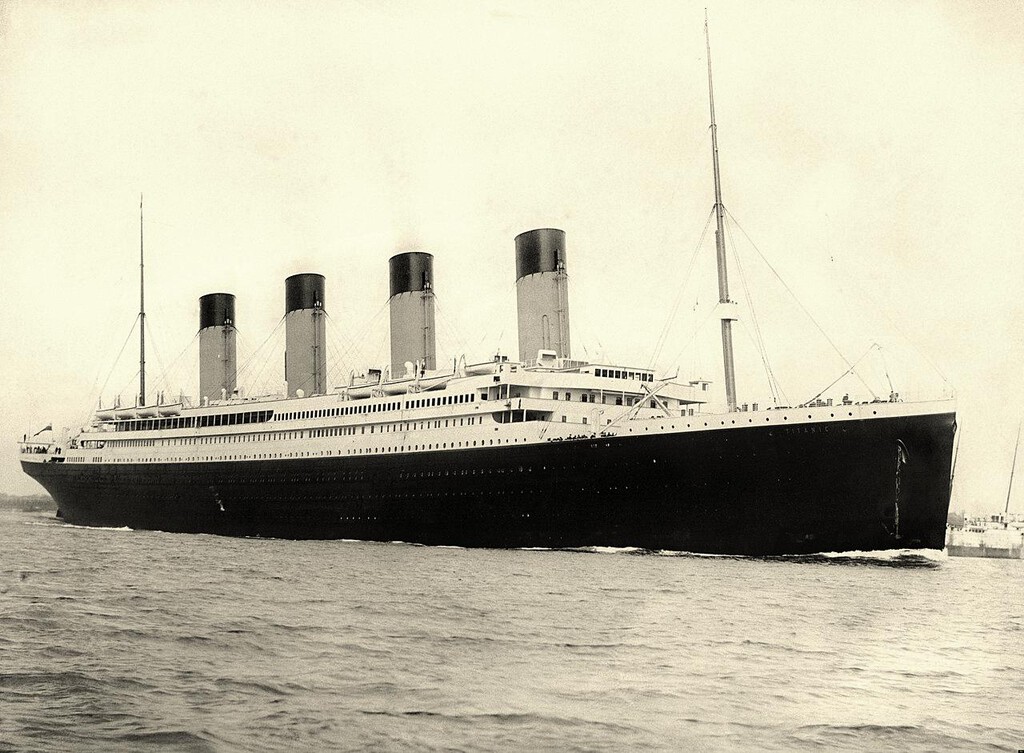
What Happened: A New Perspective on the Titanic Shipwreck
Science has gifted us a new and fascinating perspective on the Titanic shipwreck. Although the wreck lies about 3,800 meters deep in the freezing waters of the Atlantic, a team of researchers has conducted an exhaustive 3D mapping of the site, creating a 'digital twin'—a copy unique to date.
The work was carried out by Magellan Ltd during the summer of 2022 using remotely operated submersibles. Over more than 200 hours, a team of experts analyzed the wreck from top to bottom and produced over 700,000 images taken from different angles. Thanks to these, we now have a 3D replica that is already being used to uncover new details about the ship's final moments.
Why It Matters: The Crew's Heroic Actions Revealed
The 3D scan has provided unprecedented insight into the actions of the crew during the sinking. By examining the digital twin, researchers can see how the crew managed to prevent an even greater catastrophe. For instance, the scan shows that the crew managed to close watertight doors and slow the flooding, buying precious time for evacuations.
Moreover, the scan reveals the extent of the damage caused by the iceberg and how the ship's design contributed to its rapid sinking. This information is crucial for understanding the disaster and improving maritime safety standards today.
Key Takeaways from the 3D Scan
- The 3D scan created a highly detailed digital twin of the Titanic wreck, allowing researchers to study the ship like never before.
- The scan reveals how the crew's quick actions, such as closing watertight doors, prevented an even greater loss of life.
- The digital twin provides new insights into the structural failures that led to the rapid sinking.
- This technology could be applied to other shipwrecks to learn from past disasters and enhance safety.
- The project highlights the importance of preserving underwater cultural heritage through advanced imaging techniques.
Who It Affects: Implications for Maritime History and Safety
The findings from the 3D scan affect not only historians and researchers but also the maritime industry. Understanding exactly what happened on the Titanic can inform modern ship design and safety regulations. For example, the scan may reveal flaws in the watertight compartment system that could be addressed in contemporary vessels.
Additionally, the digital twin serves as an educational tool, allowing the public to explore the wreck in ways never before possible. Museums and educational institutions can use the 3D model to create immersive exhibits, ensuring that the story of the Titanic continues to captivate and educate future generations. The background to this story is set out in Mystery of 17th-Century Shipwreck and Gold Coins Finally Solved. A related thread runs through Nor'easter Uncovers 19th-Century Shipwreck in Massachusetts. Earlier coverage in Titanic Board Game: The 1975 Sinking Game Pulled From Shelves shows how the argument developed.
What to Watch Next: The Future of Underwater Archaeology
The success of this project signals a new era in underwater archaeology. As technology advances, we can expect more detailed scans of other significant wrecks, leading to new discoveries and a deeper understanding of our maritime past. A closer look at the same subject appears in How to Scan Whiteboards and Documents with Your Phone for Clear Results. Anyone following the wider picture can start with The 24-Hour Day Is a Lie: Why Earth's Rotation Isn't Exactly 24 Hours. The same theme surfaces in Trending: latest articles, which takes a different angle.
Furthermore, the digital twin of the Titanic is already being used to plan future expeditions and conservation efforts. With the wreck deteriorating rapidly due to bacteria and corrosion, having a precise digital record is invaluable for preserving the ship's legacy. Context on how this played out before sits in SS United States Sinks Off Florida to Become World's Largest.
Comparison of Scanning Technologies Used in the Titanic Project
| Technology | Purpose | Advantages | Limitations |
|---|---|---|---|
| Remotely Operated Vehicles (ROVs) | Capture images and video | Can reach extreme depths, maneuverable | Limited by tether, costly |
| 3D Photogrammetry | Create 3D models from images | High detail, non-invasive | Requires many images, processing intensive |
| Sonar Mapping | Map the seafloor and wreck | Quick coverage, works in murky water | Lower resolution than optical methods |
FAQ
What is the Titanic digital twin?
The Titanic digital twin is a highly detailed 3D model of the wreck created from over 700,000 images taken by remotely operated submersibles. It allows researchers to study the ship as if they were diving to the site.
How did the crew prevent a greater disaster?
The crew managed to close watertight doors and slow the flooding, which bought extra time for evacuation. The 3D scan reveals these actions in detail, showing how they mitigated the disaster.
Why is the 3D scan important?
The scan provides unprecedented insight into the sinking and the crew's actions. It also serves as a valuable record as the wreck deteriorates, and it can inform modern maritime safety.
Can the public view the 3D model?
Yes, the digital twin is being used in museums and educational exhibits, allowing the public to explore the wreck in immersive ways.
Browse the Shop
 Acacia frida deluxe solid wood bed frame |
Bedroom bench |
Bed chest drawers |
Lingerie dresser |
Frame base |
Mirror with jewelry storage |
30 Bathroom Vanity |
Memory foam queen mattress |
Mattresses for back pain |
Nightstand set of 2 |
Grand Goldman Shop |
Civil Lawyer
Deutschland Trikot WM 2026







