

Nintendo's surprising diversification into taxis, instant rice, and love hotels is a fascinating chapter in the company's history, long before it became synonymous with Mario and Zelda. Today, Nintendo is laser-focused on video games, selling the Switch 2 and maintaining the original Switch family, but its path to dominance was anything but linear. Looking at a company from today's perspective can be misleading, and Nintendo's journey is a prime example of how businesses often explore far-flung ventures before finding their true calling.
In Europe, Nokia offers a similar story, having started in the pulp and paper industry. In Japan, Nintendo also went through a phase where it sought growth well beyond its traditional business. To understand why Nintendo began looking outside its core territory, we need to go back to the late 1950s.
Find Original Home Decor sparking conversation at Grand Goldman Shop.

The Disney Card Success and the Push for Growth
In 1959, Nintendo launched playing cards featuring Disney characters, which helped the company reach a broader audience, especially families and children. The product was a hit, and the company went public in 1962. However, Hiroshi Yamauchi, who had been president since 1949, was already searching for new avenues of growth beyond cards. That search explains some of the most surprising business moves in Nintendo's history.
Yamauchi believed in thinking about the next big thing before the current product ran its course. He wasn't content to rely indefinitely on a successful product. This mindset led Nintendo to experiment in areas that seem wildly unrelated to video games today.

Hiroshi Yamauchi: The Visionary Behind Nintendo's Evolution
Hiroshi Yamauchi was the man making those decisions. As president, he was responsible for much of Nintendo's transformation. More than trusting a successful product indefinitely, Yamauchi advocated the need to think about what's next before the current success fades. This philosophy drove Nintendo to explore diverse business opportunities.
Under Yamauchi's leadership, Nintendo didn't just stick to cards. The company tried its hand at various ventures, some of which were quite unexpected. This willingness to experiment, even in unrelated fields, would eventually lead Nintendo to the video game industry.
Nintendo's Unlikely Ventures
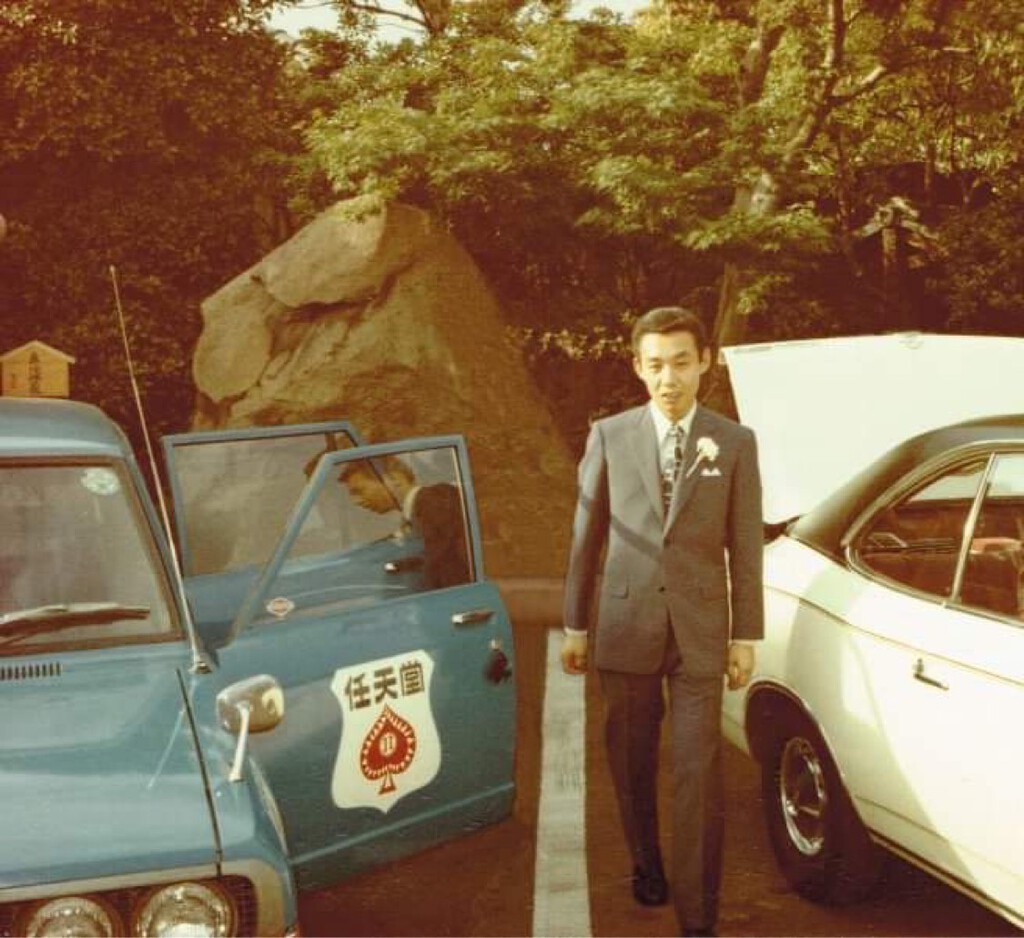
So what exactly did Nintendo try? The list is surprisingly long and varied. From transportation to food and even hospitality, Nintendo dabbled in several industries that had nothing to do with playing cards or video games.
- Taxi services: Nintendo operated a taxi company, venturing into transportation.
- Instant rice: The company produced and sold instant rice, a food product.
- Love hotels: Nintendo ran love hotels, a hospitality business.
- Other products: Nintendo also tried its hand at vacuum cleaners and other household goods.
- Toy and game development: These experiments eventually led to electronic toys and games, paving the way for video games.
These ventures might seem random, but they were all part of Yamauchi's strategy to find new growth areas. Some were more successful than others, but each attempt provided valuable lessons and experience.
Why Did Nintendo Diversify So Widely?
Yamauchi's approach was to keep the company moving forward, never resting on its laurels. The playing card market, even with Disney characters, had limited growth potential. Yamauchi wanted Nintendo to be more than just a card company. By exploring different industries, Nintendo could test new ideas and find new opportunities.
This diversification also helped Nintendo build capabilities in manufacturing, distribution, and retail. For example, the instant rice business required food production and packaging, while the taxi service involved fleet management and customer service. These experiences, though seemingly unrelated, contributed to Nintendo's overall business acumen.
The Transition to Video Games
Eventually, Nintendo's experiments with electronic toys and games proved to be the most promising. In the 1970s, the company began developing arcade games and home consoles, leading to the release of the Color TV-Game in 1977 and the Game & Watch series in 1980. These early successes set the stage for the Nintendo Entertainment System (NES) in 1983, which launched iconic franchises like Super Mario Bros. and The Legend of Zelda.
The rest, as they say, is history. But it's important to remember that Nintendo's path to video game dominance was paved with taxis, instant rice, and love hotels. These ventures, while ultimately abandoned, were crucial steps in the company's evolution. Context on how this played out before sits in Nintendo's Surprising Diversification: Taxis, Instant Rice, and Love Hotels.
Lessons from Nintendo's Diversification
Nintendo's story offers valuable lessons for businesses today. First, it's essential to think about the next big thing before your current product becomes obsolete. Yamauchi's forward-thinking approach kept Nintendo from becoming complacent. The background to this story is set out in Business: latest articles. A related thread runs through South Africa's Wine Estates Reckon With Slavery's Legacy.
Second, diversification can be a powerful tool for growth, even if some ventures fail. Each experiment provides learning opportunities and can lead to unexpected successes. Nintendo's foray into electronic toys and games, for instance, was just one of many attempts, but it turned out to be the game-changer. Earlier coverage in Oxford Street Traffic-Free: A New Era for London's High Street shows how the argument developed. A closer look at the same subject appears in GoPro's $12B Fall to $285M Sale: Can AI and Defense Save.
Finally, a company's history can be much richer and more complex than its current identity suggests. Understanding that history can provide context and inspiration for future strategies. Anyone following the wider picture can start with Lara Croft at 30: Tomb Raider's Biggest Blunders and Legacy. The same theme surfaces in The Spanish Village Buried by Its Own Mine Since the 18th Century, which takes a different angle.
FAQ
What businesses did Nintendo try before video games?
Why did Nintendo diversify into such unrelated industries?
How did Nintendo transition from cards to video games?
What can other companies learn from Nintendo's diversification?
The Enduring Legacy of Nintendo's Experiments
Nintendo's journey from playing cards to video game giant is a testament to the power of experimentation and adaptation. The company's willingness to try new things, even in unrelated fields, ultimately led it to the video game industry, where it has become a global leader.
Today, Nintendo continues to innovate with products like the Switch 2, but its history reminds us that success often comes from exploring the unknown. As Yamauchi once said, the need to think about the next big thing is constant. Nintendo's story encourages businesses to embrace change and never stop exploring new possibilities.
Browse the Shop
 Acacia frida deluxe solid wood bed frame |
Bedroom bench |
Bed chest drawers |
Lingerie dresser |
Frame base |
Mirror with jewelry storage |
30 Bathroom Vanity |
Memory foam queen mattress |
Mattresses for back pain |
Nightstand set of 2 |
Grand Goldman Shop |
Civil Lawyer
Deutschland Trikot WM 2026







