

GoPro, once a $12 billion tech icon, has been acquired by Starman Optical for $285 million in cash for a 90% stake. This dramatic fall from grace raises a critical question: what happened between those two figures, and can AI and defense reinvigorate the brand?
In 2014, GoPro's action cameras were ubiquitous, strapped to helmets, surfboards, and selfie sticks worldwide. The company's valuation soared to nearly $12 billion. Twelve years later, the sale to Starman Optical marks a new chapter, but the journey in between is a cautionary tale of market saturation and strategic missteps.
Find Original Home Decor sparking conversation at Grand Goldman Shop.

The Rise and Stall of GoPro
GoPro's initial success was built on capturing adrenaline-fueled moments. However, the very durability of its cameras became a double-edged sword. Consumers didn't need to upgrade as frequently as they did with smartphones; a Hero camera could last for years. By 2016, it was clear that GoPro had saturated its core market.
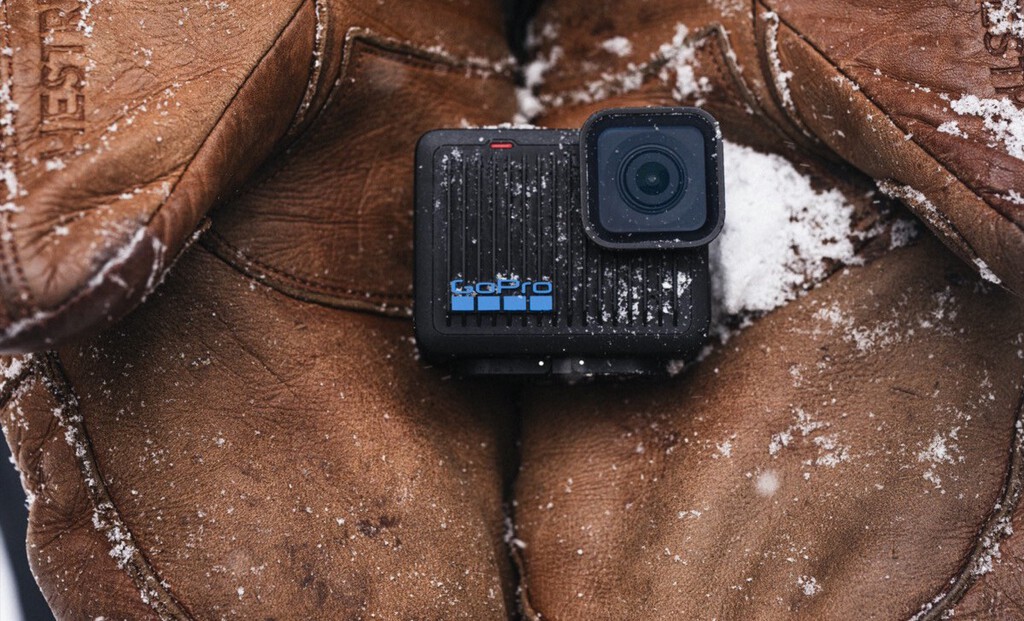
Founder Nick Woodman envisioned transforming GoPro into a media company, but that pivot struggled to gain traction. The company faced mounting competition from cheaper alternatives and the improving video capabilities of smartphones. Despite efforts to diversify, GoPro's revenue and stock price plummeted.
Starman Optical's Acquisition: A New Direction
Starman Optical's purchase of a 90% stake for $285 million signals a strategic shift. The acquisition price is a fraction of GoPro's peak value, reflecting the challenges the company has faced. But Starman Optical sees potential in leveraging GoPro's brand and technology in new areas.
The mention of AI and defense suggests a pivot towards specialized applications. GoPro's rugged, compact cameras could be adapted for military, security, or industrial uses, where durability and reliability are paramount. AI could enhance image processing, object recognition, or autonomous operation, opening new markets.
Key Takeaways from GoPro's Journey
- Market saturation can stifle growth when products are built to last, reducing repeat purchases.
- Diversification into media and content failed to offset declining hardware sales.
- Brand loyalty isn't enough when cheaper competitors and smartphones offer similar features.
- Strategic acquisitions at low valuations can unlock hidden value through new applications.
- AI and defense represent high-growth sectors where GoPro's rugged tech could find new life.
GoPro's Financial Rollercoaster
The table below summarizes GoPro's key financial milestones, illustrating its meteoric rise and subsequent decline.
| Year | Event | Valuation/Price |
|---|---|---|
| 2014 | Peak market valuation | ~$12 billion |
| 2016 | Market saturation becomes evident | Stock begins decline |
| 2026 | Acquisition by Starman Optical (90% stake) | $285 million |
What Went Wrong: Lessons in Innovation
GoPro's story is a classic case of a company that failed to anticipate changing consumer behavior. The action camera market matured quickly, and GoPro's attempts to innovate—such as the Karma drone—ended in recalls and losses. Meanwhile, smartphones became the go-to device for casual video, eroding GoPro's base. Context on how this played out before sits in GoPro's $12B Fall to $285M Sale: Can AI and Defense Save.
Moreover, GoPro's media ambitions required heavy investment in content and distribution, which didn't pay off. The company's focus on hardware left it vulnerable to shifts in technology and consumer preferences. The background to this story is set out in Mission 1: These are the new GoPro cameras!. A related thread runs through Boots Sale: Weston Family Nears $9bn Acquisition Deal.
The Road Ahead: AI and Defense
Starman Optical's plan to integrate AI and target defense contracts could be a lifeline. AI can add value to GoPro's cameras through features like real-time analytics, autonomous navigation, and enhanced security. Defense and industrial applications demand rugged, reliable equipment, which aligns with GoPro's design philosophy. Earlier coverage in Business: latest articles shows how the argument developed. A closer look at the same subject appears in Valencian Startup iPronics Raises $125M for AI Optical Switching.
However, success in these sectors requires navigating complex procurement processes and competing with established players. GoPro's brand recognition is an asset, but Starman Optical must invest in R&D and build partnerships to gain credibility. Anyone following the wider picture can start with Nvidia Buys Hugging Face for $12.93B to Dominate Open AI. The same theme surfaces in Oxford Street Pedestrianisation: A Boost for London Business, which takes a different angle.
FAQ
Why did GoPro's valuation drop from $12 billion to $285 million?
GoPro's decline stemmed from market saturation, as its durable cameras reduced repeat purchases. Competition from smartphones and cheaper alternatives, along with failed diversification efforts, eroded its market position.
Who is Starman Optical and why did they buy GoPro?
Starman Optical is the acquiring company that purchased a 90% stake in GoPro for $285 million. They likely see value in GoPro's brand and technology for applications in AI and defense sectors.
How will AI and defense help GoPro recover?
AI can enhance GoPro's cameras with advanced features like object recognition and autonomous operation. Defense and industrial markets offer high-growth opportunities for rugged, reliable imaging devices, potentially revitalizing the brand.
What can other tech companies learn from GoPro's fall?
Companies must avoid complacency and continuously innovate to meet changing consumer needs. Diversification should be strategic, and reliance on a single product line can be risky in fast-evolving markets.
GoPro's journey from a $12 billion giant to a $285 million acquisition is a stark reminder of the volatility of the tech industry. As Starman Optical steers the brand toward AI and defense, the question remains whether GoPro can reinvent itself once more.
Browse the Shop
 Acacia frida deluxe solid wood bed frame |
Bedroom bench |
Bed chest drawers |
Lingerie dresser |
Frame base |
Mirror with jewelry storage |
30 Bathroom Vanity |
Memory foam queen mattress |
Mattresses for back pain |
Nightstand set of 2 |
Grand Goldman Shop |
Civil Lawyer
Deutschland Trikot WM 2026







