

London's supercar problem has reached a tipping point: every summer, the city's wealthiest neighborhoods are flooded with Ferraris, Lamborghinis, McLarens, and Rolls-Royces from the Middle East, and the vast majority of parking fines issued to these foreign vehicles go unpaid. According to data from Westminster City Council, of 13,423 fines issued between 2018 and 2022 to vehicles registered in the United Arab Emirates, only about 1% were ever paid.
The spectacle is glamorous, but the consequences are not. These high-end cars are often parked illegally in loading zones, bus stops, reserved lanes, and on double yellow lines, creating hazards and congestion for residents and businesses. And when it comes to collecting the penalties, the system is failing spectacularly.
Find Original Home Decor sparking conversation at Grand Goldman Shop.

Why Foreign Supercars Flock to London
Each summer, wealthy car owners from the Gulf states ship their vehicles to London to escape the extreme heat of the Middle East and show off their prized possessions. The streets around Harrods in Knightsbridge and other upscale areas become impromptu showrooms for the world's most exclusive automobiles. This annual migration has become a fixture of London's summer scene, attracting tourists and car enthusiasts alike.
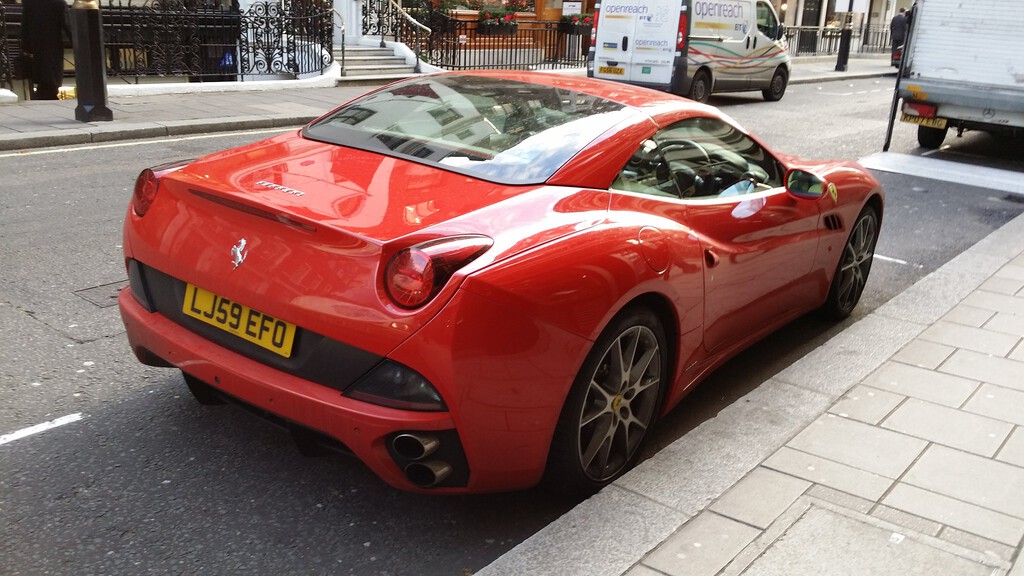
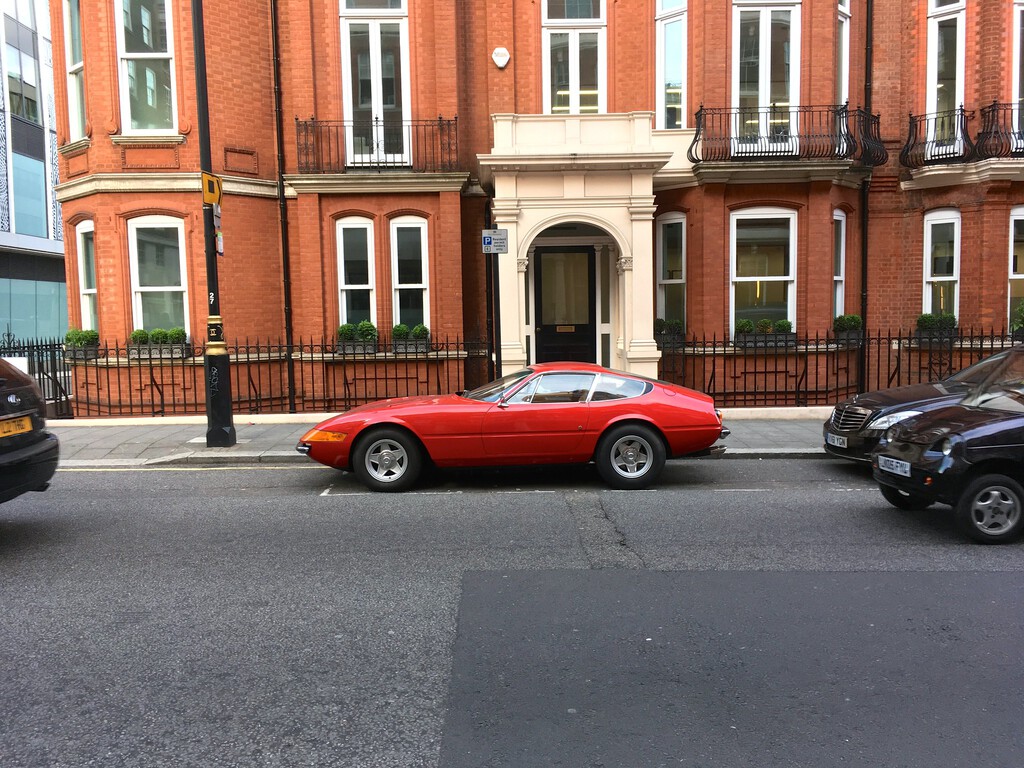
However, the influx brings a less welcome side effect: rampant illegal parking. The owners, often undeterred by local regulations, leave their cars in prohibited spots for hours, sometimes days. The problem is particularly acute in Westminster, where the concentration of luxury shopping and hotels draws the majority of these vehicles.
The Staggering Fine Collection Gap
The numbers reveal a system that is barely functional when it comes to foreign-registered vehicles. Westminster's attempt to collect on thousands of fines issued to UAE-plated cars over a four-year period resulted in a mere 1% payment rate. This means the vast majority of penalties simply vanish into thin air.
Years ago, London councils estimated that foreign cars were leaving between £8 million and £12 million annually in unpaid parking fines and other debts. That figure has likely grown as the number of supercars arriving each summer has increased. The financial loss is borne by local authorities and, ultimately, taxpayers.
- 99% of fines issued to UAE-registered vehicles in Westminster go unpaid.
- Between £8m and £12m in annual unpaid fines and debts from foreign cars.
- The problem is concentrated around Harrods and other luxury districts.
- Enforcement is hampered by cross-border collection difficulties.
- Residents and businesses bear the brunt of congestion and safety issues.
Why Enforcement Fails
The core issue is jurisdiction. London authorities can issue fines, but once the vehicle leaves the country, collecting payment becomes nearly impossible. Unlike within the UK, where unpaid fines can lead to vehicle registration holds or court enforcement, foreign-registered cars fall into a legal gray area. There is no reciprocal agreement with Gulf states to pursue unpaid penalties.
Additionally, many of these cars are shipped temporarily and may not be subject to the same registration and insurance requirements as UK vehicles. This makes tracking owners and enforcing penalties even more challenging. Westminster has explored various avenues, but without international cooperation, the odds of recovering debts are slim.
The Impact on Local Communities
For residents and businesses in affected areas, the supercar invasion is more than a nuisance. Illegal parking blocks loading bays, forcing delivery drivers to double-park and adding to traffic congestion. It obstructs bus stops, making public transport less accessible. And it creates safety hazards for pedestrians and cyclists. Context on how this played out before sits in London's Supercar Problem: 99% of Foreign Fines Go Unpaid.
Moreover, the presence of these high-value vehicles can attract crime and anti-social behavior, further straining local resources. While the cars themselves are a spectacle, the disregard for parking rules sends a message that certain individuals are above the law. The background to this story is set out in Car: latest articles. A related thread runs through First Nonstop Transatlantic Flight: The 1919 Vickers Vimy.
What's Being Done?
Westminster City Council has called for stronger powers to tackle the issue, including the ability to immobilize or tow foreign-registered vehicles that accumulate unpaid fines. However, such measures require changes in national legislation and international agreements. In the meantime, the council continues to issue fines, even if most go unpaid, to at least document the violations and deter some offenders. Earlier coverage in Germany's Train Punctuality Crisis: 400 Stranded in Tunnel shows how the argument developed. A closer look at the same subject appears in O2 Fiber Outage Returns as A-5 Tunnel Works Disrupt Internet.
Some have suggested that rental companies and hotels frequented by these visitors could be held accountable, but that raises its own set of legal and practical challenges. For now, the cycle repeats each summer, with little sign of a permanent solution. Anyone following the wider picture can start with Handmade Leather Goods: Why Robots Can't Replace Walsall's Craft. The same theme surfaces in Zadie Smith Tells Dua Lipa Inequality Makes Culture Clashes, which takes a different angle.
| Aspect | Details |
|---|---|
| Fines issued (2018-2022) | 13,423 to UAE-registered vehicles in Westminster |
| Payment rate | Approximately 1% |
| Estimated annual unpaid fines | £8-12 million (all foreign cars, London-wide) |
| Hotspot | Harrods and surrounding luxury neighborhoods |
| Main obstacle | Lack of international enforcement agreements |
FAQ
Why do so many supercars come to London in summer?
Wealthy car owners from the Middle East ship their vehicles to London to escape the Gulf's extreme summer heat and to display their luxury cars in the city's upscale districts. This annual migration has become a notable seasonal phenomenon.
How many fines actually get paid?
According to Westminster City Council data, only about 1% of fines issued to UAE-registered vehicles between 2018 and 2022 were paid. The vast majority remain unpaid because enforcement across borders is extremely difficult.
What can be done to improve enforcement?
Authorities are calling for stronger powers, such as the ability to tow or immobilize foreign vehicles with unpaid fines, and for international agreements that would allow collection of debts from abroad. However, such changes require national legislation and diplomatic cooperation.
How does this affect local residents?
Illegal parking by supercars causes congestion, blocks loading zones and bus stops, and creates safety hazards. Residents and businesses bear the brunt of these inconveniences, while the financial losses from unpaid fines fall on taxpayers.
Browse the Shop
 Acacia frida deluxe solid wood bed frame |
Bedroom bench |
Bed chest drawers |
Lingerie dresser |
Frame base |
Mirror with jewelry storage |
30 Bathroom Vanity |
Memory foam queen mattress |
Mattresses for back pain |
Nightstand set of 2 |
Grand Goldman Shop |
Civil Lawyer
Deutschland Trikot WM 2026







