

Markalama mastarı yapmak atölyenizde bulunması gereken çok kullanışlı bir alet olabilir; bu yüzden bu sefer size nasıl yapılacağına dair küçük bir rehber bırakacağız.
Bu alet, iş parçaları üzerinde mesafeleri çok hassas biçimde işaretlemek için kullanılır.
Find Bleeding Edge Supplements at Scandalous Prices on iHerb.

Benim yaptığım geleneksel bir modeldir ve kullanmayı seçtiğim ahşap, harnup (Ceratonia siliqua) adı verilen harika ve oldukça nadir bir ahşaptır.
Çok sert bir ahşaptır; pembe/kırmızı öz odunu ve oldukça beyaz diri odunu vardır.
Yaşlı ağaçların gövdesinin ortasında genellikle büyük bir oyuk bulunur ve bu da çalışılacak doğru parçayı bulmayı daha da zorlaştırır.
Video:
Videoyu görmek için tıklayın.
Bir markalama mastarı yapmak için gereken aletler:
- Makita şerit testere
- Matkap
- Freze ve tablası
- Japon testeresi
- Bir keski
- Raspalar
- Zımpara kağıdı.
Adım 1: Eskiz

Herhangi bir projeye başlamadan önce, yapacağım şeyin hızlı bir eskizini çizerim ya da kullanılacak formlar ve malzemeler hakkındaki fikirlerimi düzeltmek için eskiz defterimden eski bir eskiz seçerim.
Bu durumda, bej renkli bir not defterine kahverengi bir HI-TEC-C kalemle eskiz yaptım.
Bu kalemin mürekkebi suda çözünür, bu yüzden bir fırçayla biraz su ekleyerek çizgiyi gölgelendirebilirsiniz.
Adım 2: Teknik Çizimler


Bu adım kesinlikle gerekli değildir; ancak yaptığım her parça için tasarımı hassas biçimde tanımlamak ve aynı şekilde yeniden üretilebilmesini sağlamak amacıyla bunu kullanıyorum.
Bu yüzden Fusion 360 kullanarak 3D modelini oluşturdum, iki ana parçayı çizip keserek çıktı aldım ve ölçüleri ahşap parçaya aktardım.
Adım 3: Ahşabın Kesilmesi


Bahçemden kullanmak istediğim odun parçasını seçtikten sonra, ihtiyacım olan kalınlıkta bir dilim kestim.
Bu durumda, son parçanın kalınlığı bir inç olması gerektiği için biraz daha fazla kestim.
Adım 4: Ana Parçaların Kesilmesi


Ardından çizimleri ahşap levhaya yapıştırdım, delikleri deldim ve markalama mastarının iki ana parçasını şerit testeremle kestim.
Adım 5: Parçaların Zımparalanması ve Boyutlandırılması


Parçaları kestikten sonra, kesimleri pürüzsüzleştirmek ve köşeleri yuvarlatmak için zımparalama zamanı geldi.
Bant zımpara, raspalar ve eğeler kullandım. Ayrıca tezgâh mengenesine bir el planyası monte ederek sürgü parçasını boyutlandırdım ve ayarladım.
Parçaların birleşimi de çok hassas olmalıdır; bu nedenle sürgü parçasını tam olarak kare biçiminde ayarlamak önemlidir, böylece olukta serbestçe kayabilir.
Adım 6: Oluğun Açılması


Bu, sürecin kesinlikle en karmaşık kısmıdır; çünkü oluk kusursuz biçimde kare ve boyutları itibarıyla hassas olmalıdır.
Bu oluğu yapmanın birkaç farklı yolu var.
Bir router (freze), bir masa testeresi veya bir oluk rendesi kullanabilirsiniz; ancak ben bir Japon testeresi ve keski kullanmayı tercih ettim, çünkü yuva kısaydı ve elektrikli aletlerle uğraşma riskine girmek istemedim.
İlk adım, kayar parçayı referans alarak yuvayı işaretlemekti. Ölçmek yerine bunu yapmayı her zaman tercih ederim.
Daha sonra yuvanın iki kenarını Kataba testeremle kestim ve son olarak fazlalığı yuvadan biraz daha dar bir keskiyle temizledim.
İşlem sırasında her zaman dikliği kontrol ettim.
Adım 7: Kayar Parça Üzerinde Çalışma


Bir diğer önemli adım, kayar parçaya yuvayı açmak oldu.
Bunun için hazır freze tahtamı ve 1/4 inçlik matkap ucunu kullandım.
Ardından parçanın köşelerini yuvarladım ve işaretleme ucunun oturacağı deliği deldim.
Adım 8: Topuz


Topuzu yapmak için aynı ağaçtan bir parça kullandım.
Önce parçayı bir mengene ile sıkıştırdım ve bir pergel ile çizim yaparak bir altıgen işaretledim.
Sonra çiçek şeklinde olması için altı delik deldim. Ardından kıl testeresiyle kestim ve bant zımpara ile son şeklini verdim.
Son olarak ortadaki deliğe pirinç bir dişi vida yapıştırdım.
Adım 9: İşaretleme Ucu


İşaretleme ucunu yapmak için eski bir 4 mm matkap ucu kullandım; önce onu uzunlamasına kestim, ardından matkaba monte edilmiş küçük bir bileme taşıyla şekillendirip bileyledim.
Adım 10: Cilalama


Şimdi en güzel kısma geldiniz: cilayı uygulayıp kullandığım güzel ahşabın gerçek rengini görme zamanı.
Bitirmek için birkaç kat bezir yağı sürdüm; kuruduktan sonra bir kat balmumu ekleyip parlattım.
Adım 11: Son Dokunuşlar


Bu, bitmiş ürünün son fotoğrafı. Unutmayın, kolayca kendi işaretleme mastarınızı yapabilirsiniz.
Yapımı incelediğiniz için teşekkürler. Tam deneyim için yapım videosunu da izlemelisiniz:
Popüler İçerik
Dış Mekanda Roket Sobası Nasıl Yapılır
Kot Kumaşla Kaplanmış Karton Çekmeceler
Peri Bahçesi Nasıl Yapılır: Tek Bir Yerde Büyü, Yaratıcılık ve Doğa
Son Yazılar
Yalıtım Malzemesinden Buzdolabı Nasıl Yapılır: Pratik Adım Adım Rehber
Ev İçin Kilim Nasıl Yapılır: Adım Adım Eksiksiz Rehber
İşyerimizde Kazalardan Nasıl Korunuruz: Kapsamlı Önleme ve Güvenlik Rehberi
İlgili İçerik
Rustik ve Doğal Stilde Yatak Fikirleri
Bisiklet Tekerleklerinize Havalı LED Işıklar Nasıl Takılacağını Öğrenin!
Çocuk Banyosu Dekorasyon Fikirleri
Oturma Odası İçin Sehpa Yapmanın En Kolay Yolu!
Her Alanı Dönüştürecek Yaratıcı Ev Dekorasyon Fikirleri
Evinizi yenilemek, konforu, kişiliği ve işlevselliği birleştiren akıllı tasarım seçimleriyle başlar. İster küçük bir daireyi modernize etmek, ister dış mekanları geliştirmek, isterse de rahat rustik iç mekanlar yaratmak isteyin, bu trend fikirler alanınızın atmosferini tamamen değiştirebilir.
Stil ve İşlevselliği Artıran Dış Mekanlar
Açık hava yaşamı, modern ev trendlerine yön vermeye devam ediyor. Ev sahipleri, toplantılar ve hafta sonu yemek pişirme seansları için mükemmel düzeni oluşturan bu BBQ kulübesi fikirlerinden ilham alarak pratik eğlence alanlarına giderek daha fazla yatırım yapıyor.
Dış mekan tasarlarken ilk izlenimler de önemlidir. Zarif çiftlik giriş kapısı tasarım fikirleri, mülklerin öne çıkmasına yardımcı olurken mahremiyeti ve dış görünüm çekiciliğini artırıyor.
Kompakt yaşam çözümleri de popülerlik kazanıyor. Bu ilham verici 16x40 kulübe ev iç tasarım fikirleri, daha küçük alanların nasıl lüks ve işlevsel hissedilebileceğini gösteriyor.
Verandaları ve giriş alanlarını geliştirmek için ev sahipleri, estetiği pratiklikle birleştiren bu yaratıcı veranda tentesi dış mekan kendin yap fikirlerini kullanarak şık bir koruma sağlıyor.
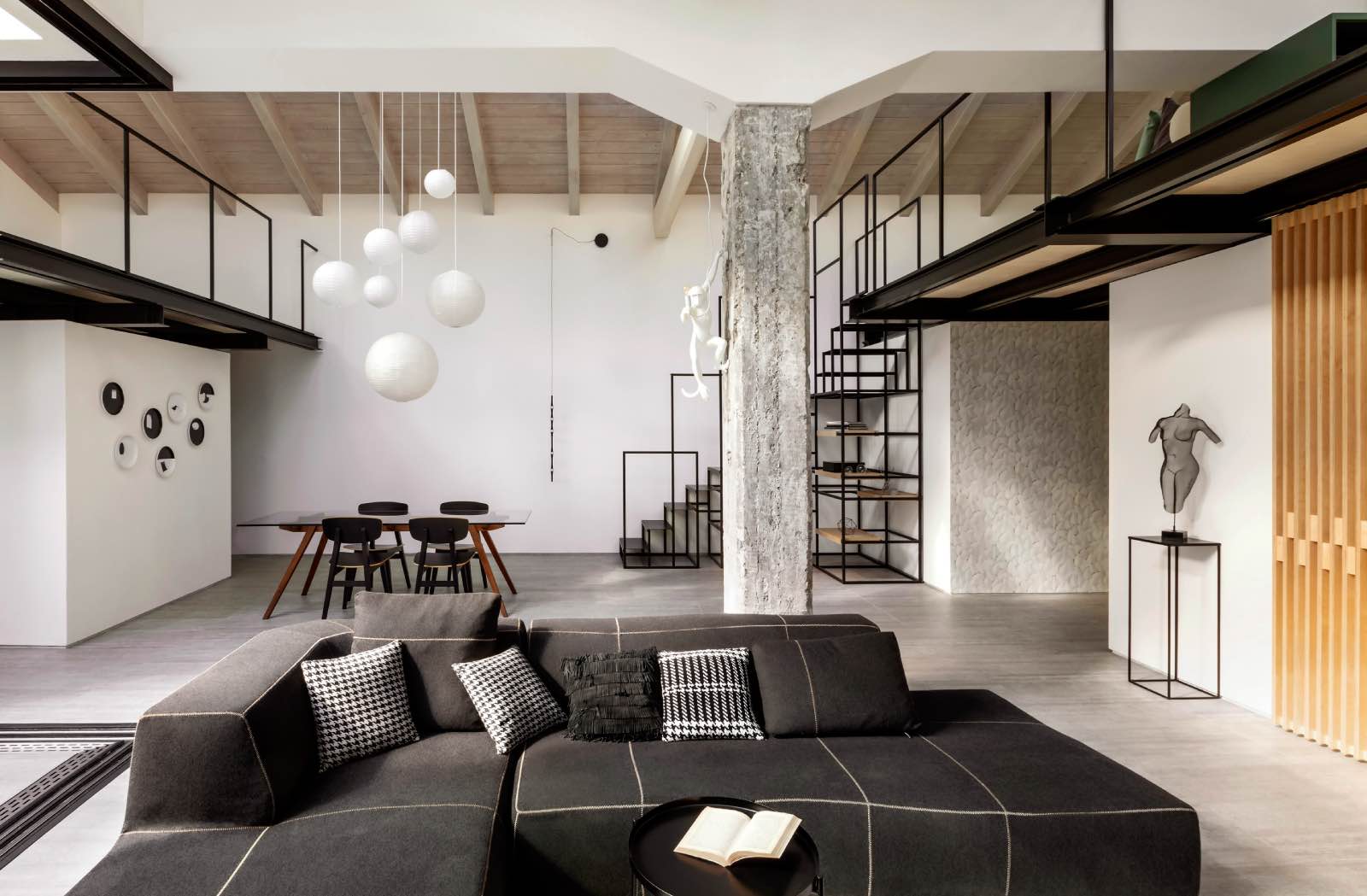
Rustik ve Konforlu İç Tasarım Trendleri
Sıcak ve doğal iç mekanlar zamansız kalmaya devam ediyor. Bu büyüleyici rustik dekor fikirleri, ahşap dokuları, vintage detaylar ve toprak tonlarını bir araya getirerek davetkar alanlar yaratıyor.
Yatak odaları, özenle seçilmiş duvar düzenlemeleriyle daha kişisel hale geliyor. Birçok ev sahibi, anıları ve sanat eserlerini yaratıcı bir şekilde sergilemek için bu şık yatak odası için duvar dekorasyon fikirlerini kullanıyor.
Dokulu duvar kaplamaları bir diğer önemli trend. Çıtalı duvar uygulamak, iç mekanları zarif ve modern tutarken mimari karakter katar.
Benzer şekilde, cesur vurgu duvarı fikirleri, tam bir yenileme gerektirmeden sade odaları anında göz alıcı odak noktalarına dönüştürebilir.
Akıllı Mutfak ve Düzenleme İlhamı
Fonksiyonel mutfaklar modern evler için vazgeçilmezdir. Bu pratik mutfak duvar dolabı fikirleri, temiz ve şık bir görünüm korurken depolama alanını en üst düzeye çıkarır.
Düzen, girişte başlar. İyi tasarlanmış çamurluk odası fikirleri, ailelerin ayakkabı, mont ve günlük eşyaları düzenli bir şekilde saklamasına yardımcı olur.
Renkli ve Kişiselleştirilmiş Ev Dekorasyonu
Canlı iç mekanlar, parlak renkler ve neşeli aksesuarlar kullanarak ruh halini ve enerjiyi iyileştiren eğlenceli dopamin dekor fikirleri sayesinde giderek daha popüler hale geliyor.
Galeri duvarları da önemli bir dekoratif öğe olarak gelişmeye devam ediyor. Bu trend galeri duvarı ilham fikirleri, baskıları, fotoğrafları ve çarpıcı sanat eserlerini bir araya getirmenin yaratıcı yollarını sunuyor.
Genç kiracılar ve yeni ev sahipleri, bütçeye uygun şekilde sofistike iç mekanlar yaratmak için bu şık ilk daire estetik fikirlerini özellikle benimsiyor.
Son olarak, doğru tonları seçmek herhangi bir odanın atmosferini önemli ölçüde etkileyebilir. Bu modern trend renk fikirleri, ev sahiplerinin taze, zarif ve zamansız hissettiren paletler seçmesine yardımcı olur.
Son Düşünceler
Rustik şıklıktan renkli iç mekanlara, açık hava eğlence alanlarından işlevsel depolama çözümlerine kadar günümüz ev dekorasyonu trendleri, hem güzel hem de yaşanabilir hissettiren alanlar yaratmaya odaklanıyor. Akıllı yerleşim planlarını, modern dokuları ve kişiye özel dekoratif öğeleri bir araya getirerek her ev daha şık, konforlu ve ilham verici hale gelebilir.
Browse the Shop
 Acacia frida deluxe solid wood bed frame |
Bedroom bench |
Bed chest drawers |
Lingerie dresser |
Frame base |
Mirror with jewelry storage |
30 Bathroom Vanity |
Memory foam queen mattress |
Mattresses for back pain |
Nightstand set of 2 |
Grand Goldman Shop |
Civil Lawyer
Deutschland Trikot WM 2026
Acacia frida deluxe solid wood bed frame |
Bedroom bench |
Bed chest drawers |
Lingerie dresser |
Frame base |
Mirror with jewelry storage |
30 Bathroom Vanity |
Memory foam queen mattress |
Mattresses for back pain |
Nightstand set of 2 |
Grand Goldman Shop |
Civil Lawyer
Deutschland Trikot WM 2026










