

In 1963, the United States launched nearly 500 million copper needles into space as part of Project Needles, a Cold War experiment to create an artificial ionosphere for military communications. More than six decades later, some of those needles are still orbiting Earth.
This little-known episode reveals the lengths to which the US went to secure its communications against the Soviet Union. It also left an unexpected legacy: a ring of debris that continues to circle the planet.
Find Original Home Decor sparking conversation at Grand Goldman Shop.

The Strategic Problem: Cold War Communications
In the late 1950s, Washington faced a critical vulnerability. Long-distance military communications relied on undersea cables and the natural ionosphere, a layer of the atmosphere that reflects radio waves.
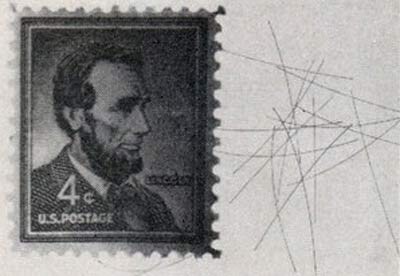
Both methods had weaknesses. Undersea cables could be sabotaged by the Soviets, and the ionosphere could be disrupted by solar storms or enemy action. In a nuclear war, losing contact with forces worldwide could be catastrophic.
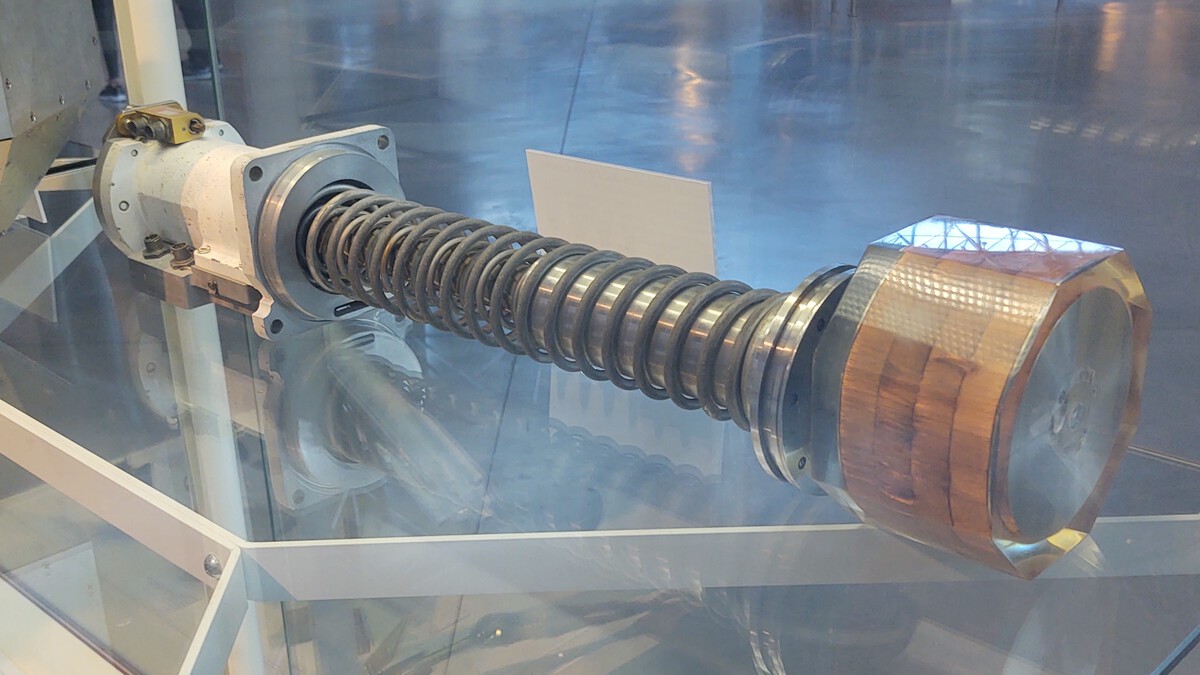
The Pentagon needed a system that would work even if ground infrastructure was destroyed. The solution, proposed in 1958 by engineer Walter Morrow of MIT's Lincoln Laboratory, was to build an artificial ionosphere using millions of tiny metallic filaments.
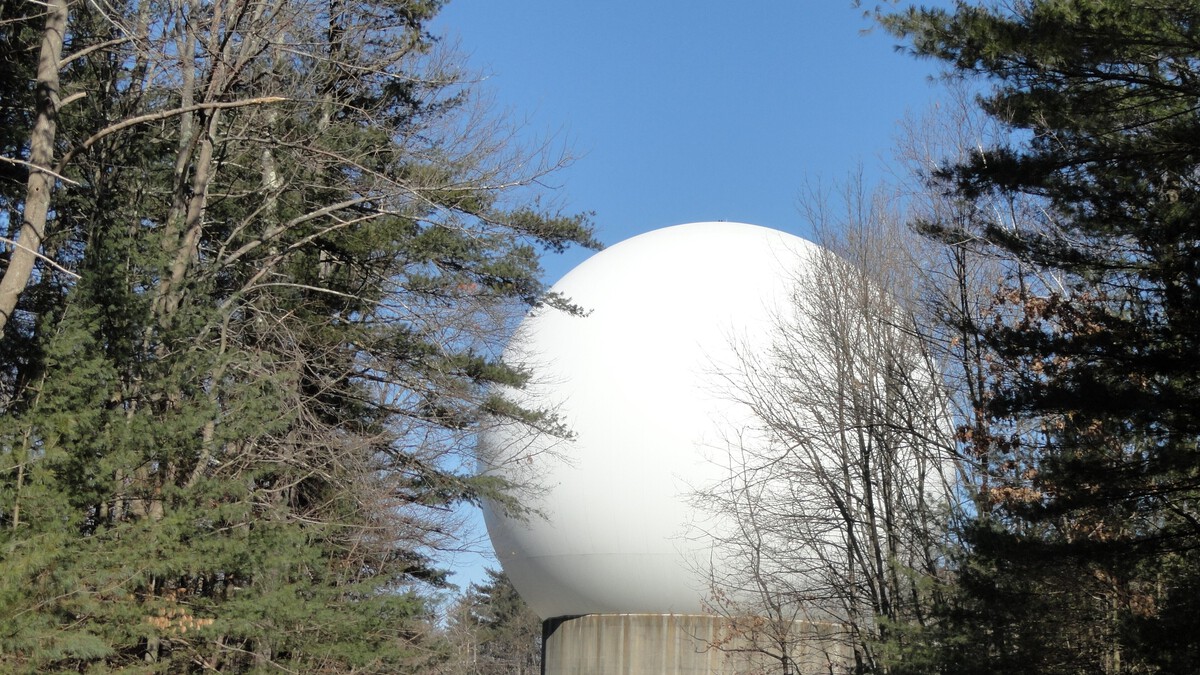
Project Needles: The Idea
The concept, initially called Project Needles and later Project West Ford, involved placing a belt of copper needles in orbit at an altitude of about 3,600 kilometers. These needles would act as a passive reflector for radio signals, enabling communication over long distances.

Each needle was a hair-thin copper filament about 1.8 centimeters long. They were designed to be dispersed in a narrow band around the Earth, forming a ring that could bounce signals between ground stations.
The project was controversial from the start. Astronomers worried that the needles would interfere with optical and radio observations. The Soviet Union protested, and the United Nations debated the issue.
The Launches and Results
After an initial failed attempt in 1961, a successful launch occurred on May 9, 1963. A US Air Force rocket released approximately 480 million needles into a polar orbit.
The experiment worked: radio signals were successfully bounced off the needle belt. However, the system was never operationally deployed because satellite communications technology advanced rapidly.
The needles were expected to re-enter the atmosphere within a few years due to orbital decay. But some are still up there, according to tracking data.
What Happened to the Needles?
Most of the needles have long since burned up in the atmosphere. However, a fraction remains in orbit, along with other space debris. The background to this story is set out in Fastest Known Star in Milky Way Discovered Orbiting Black Hole. A related thread runs through US Confirms Space Weapons in Orbit for First Time. Earlier coverage in Water-Rich Exoplanet KIC 9139163 Ab Found Orbiting Too Close shows how the argument developed.
These needles are too small to be tracked individually, but they pose a potential hazard to satellites and spacecraft. The risk is low, but it adds to the growing problem of space debris. A closer look at the same subject appears in Satellite Bodyguards: New Defense Against Orbital Threats. Anyone following the wider picture can start with Science: latest articles. The same theme surfaces in China's Tiangong Space Station Set to Double in Size by 2030, which takes a different angle.
The needles are a reminder of how early space experiments had unintended consequences. They also highlight the importance of responsible behavior in space. Context on how this played out before sits in NASA's Swift Telescope Breaks Apart Over Sumatra After 22 Years. A companion piece, Australia's Six Mystery Spheres Identified as Space Debris, approaches the same subject from another angle.
Key Takeaways
- Project Needles was a Cold War experiment to create an artificial ionosphere for military communications.
- About 480 million copper needles were launched in 1963.
- The experiment successfully reflected radio signals but was never used operationally.
- Most needles have re-entered, but some remain in orbit as space debris.
- The project raised early concerns about space debris and interference with astronomy.
Comparison with Other Space Debris
| Type of Debris | Size | Number | Altitude |
|---|---|---|---|
| Project Needles | ~1.8 cm | ~480 million launched | ~3,600 km |
| Defunct Satellites | Various | ~3,000 | Various |
| Fragmentation Debris | >10 cm | ~34,000 | Various |
FAQ
What was Project Needles?
Project Needles, also known as Project West Ford, was a US military experiment during the Cold War to create an artificial ionosphere by launching millions of copper needles into orbit. The goal was to provide reliable long-range communications in case of war.
How many needles were launched?
The successful 1963 launch deployed approximately 480 million copper needles. An earlier attempt in 1961 failed to reach orbit.
Are the needles still in space?
Most of the needles have re-entered the atmosphere and burned up. However, some remain in orbit, contributing to the space debris environment.
Why was Project Needles controversial?
The project was criticized by astronomers who feared it would interfere with observations, and by the Soviet Union and others who saw it as a unilateral act that could set a precedent for space debris.
Browse the Shop
 Acacia frida deluxe solid wood bed frame |
Bedroom bench |
Bed chest drawers |
Lingerie dresser |
Frame base |
Mirror with jewelry storage |
30 Bathroom Vanity |
Memory foam queen mattress |
Mattresses for back pain |
Nightstand set of 2 |
Grand Goldman Shop |
Civil Lawyer
Deutschland Trikot WM 2026







