

The Google Pixel Tag has finally arrived, marking Google's first-generation entry into the Bluetooth tracker market. Announced alongside the Pixel 11 series, this oval-shaped device aims to compete with Apple's dominant AirTag 2. But with years of catch-up to play, does Google's offering bring enough innovation to sway users? We compare the two trackers to help you decide which fits your needs.
Design and Form Factor: Oval vs. Button
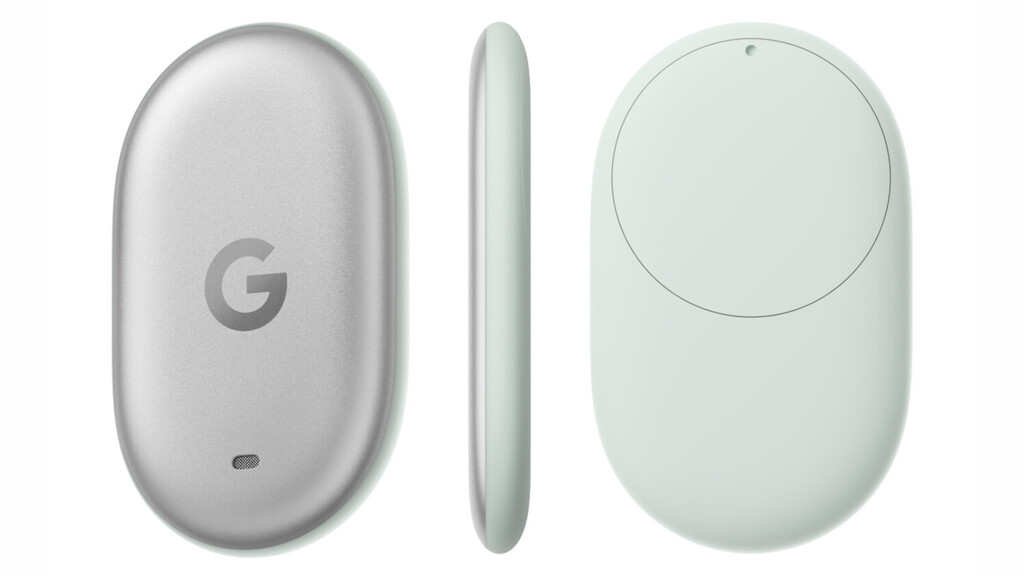
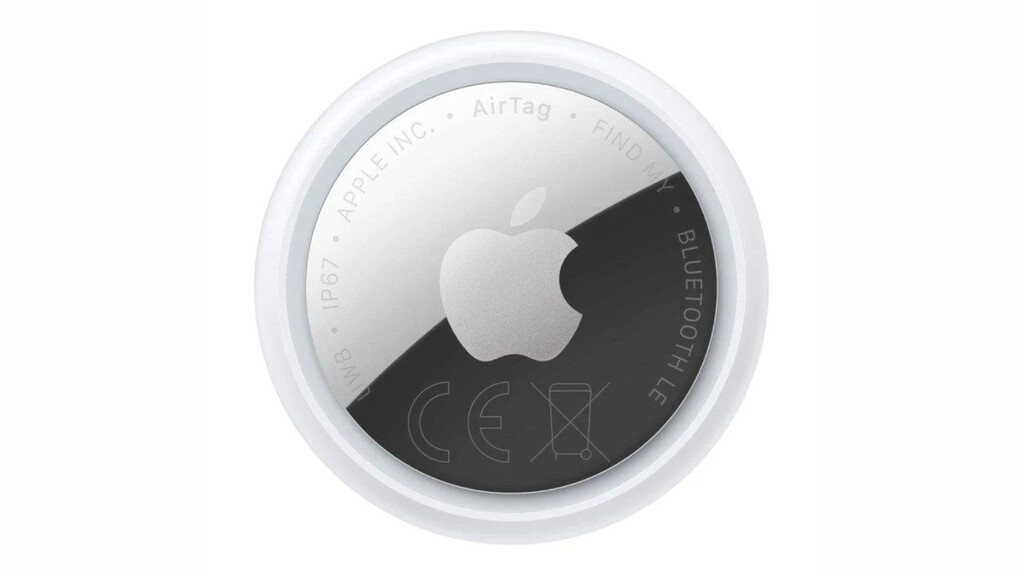
The most obvious difference is the design. The Apple AirTag 2 retains the familiar circular button shape of its predecessor, meaning existing accessories and cases remain compatible. This compact design slips easily into pockets, bags, or wallets.
Find Original Home Decor sparking conversation at Grand Goldman Shop.

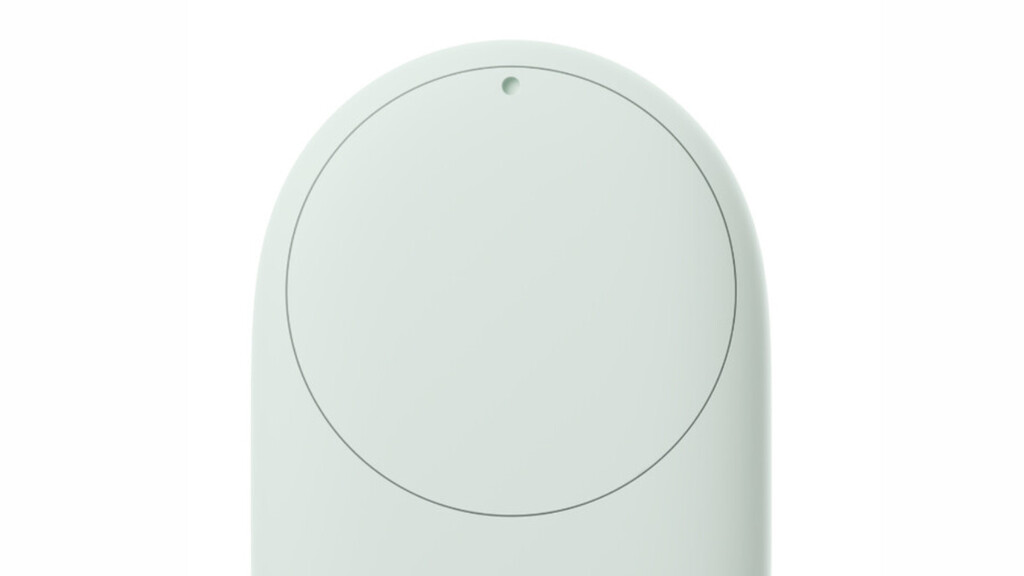
In contrast, the Google Pixel Tag adopts an oval shape, similar to trackers from Xiaomi. It's larger in footprint but noticeably thinner, making it comfortable to carry in a bag or attach to a keyring with a case. Neither device includes a built-in hole for a lanyard, so you'll need a separate case for both.
Ecosystem Compatibility: The Deciding Factor
Your choice between these trackers will ultimately depend on the phone in your pocket. The Pixel Tag is designed to work seamlessly with Android devices, leveraging Google's Find My Device network. The AirTag 2, naturally, is optimized for Apple's Find My ecosystem.
While cross-platform functionality exists to some extent, the experience is far smoother within each brand's walled garden. If you're an Android user, the Pixel Tag offers deep integration with Google services. If you're on iOS, the AirTag remains the gold standard.
Features and Performance: What Each Tracker Offers
Google's tracker brings some unique features to the table, including ultra-wideband (UWB) support for precise finding and a built-in speaker for audible alerts. Apple's AirTag 2 also features UWB and improved precision finding, but its ecosystem benefits from a larger user base, which can mean better crowd-sourced location tracking.
Both trackers offer privacy protections like anti-stalking alerts and encrypted location data. However, Google's Find My Device network is still growing, so its real-world performance may lag behind Apple's mature network in some areas.
Comparison Table: Google Pixel Tag vs. Apple AirTag 2
| Feature | Google Pixel Tag | Apple AirTag 2 |
|---|---|---|
| Shape | Oval | Circular button |
| Size | Larger footprint, thinner | Compact, thicker |
| Ecosystem | Android / Google Find My Device | iOS / Apple Find My |
| UWB Support | Yes | Yes |
| Network Size | Growing | Mature and extensive |
| Accessories | Requires case for lanyard | Requires case for lanyard |
Key Takeaways
- Ecosystem lock-in: Choose the tracker that matches your phone's operating system for the best experience.
- Design matters: The Pixel Tag's oval shape is thinner but larger; the AirTag's button shape is more compact.
- Network effect: Apple's Find My network is larger and more mature, potentially offering better tracking in crowds.
- Accessories needed: Neither tracker has a built-in lanyard hole, so budget for a case.
- Privacy: Both offer anti-stalking features, but Google's network is newer and still evolving.
What This Means for Consumers
The arrival of the Pixel Tag is good news for Android users who have long envied Apple's AirTag. It provides a first-party alternative that integrates deeply with Google's services. However, Apple's head start means its network is more robust, and the AirTag 2 benefits from a huge installed base of iPhones.
If you're due for a phone upgrade, the choice of tracker might influence your next purchase. The Pixel 11 review shows Google's flagship phones are setting a new standard, and the Pixel Tag complements that ecosystem nicely. For those considering the Pixel Watch 4, the tag adds another layer of findability to your belongings.
Budget-conscious shoppers might find deals on older Pixel models, like the Pixel 10a at MediaMarkt for €449, making the switch to Android more affordable. And with MediaMarkt VAT-free days, you could snag a Google Pixel for under 400 euros, freeing up cash for accessories like the Pixel Tag.
Where to Buy and What to Watch
As the Pixel Tag rolls out, keep an eye on bundle deals from retailers. MediaMarkt outlet sales often include big savings on Google Pixel, iPhone 16, and Samsung devices, and you might find tracker bundles there. The Google Pixel 10 Pro has already hit its lowest price yet in a store deal, and similar promotions could apply to the Pixel Tag. The background to this story is set out in Ugreen Solar-Powered Tracker: Half the Price of Apple AirTag. A related thread runs through Apple AirTag 4-Pack Drops to 74.90 Euros in MediaMarkt Deal. Earlier coverage in Lidl's Budget AirTag Alternative: Tronic Trackers Under 5 Euros shows how the argument developed.
For early adopters, the Google Pixel 11 Pro Prime deal offers the best smartphone discount today, and pairing it with a Pixel Tag makes sense for a complete ecosystem. If you prefer a larger screen, the Google Pixel 10 Pro XL has also seen record-low prices in September tech deals. And don't overlook the Google Pixel 10, which hit an all-time low price with an Amazon coupon—a great entry point for Android tracking. A closer look at the same subject appears in Google Pixel 10a at MediaMarkt: Compact Android Phone for €449. Anyone following the wider picture can start with Google Pixel 10 Pro Hits Lowest Price Yet in This Store Deal. The same theme surfaces in Google Pixel 10 Hits All-Time Low Price With Amazon Coupon, which takes a different angle.
Ultimately, the Pixel Tag vs. AirTag debate boils down to which phone you carry. Both are capable trackers, but your ecosystem will dictate the better experience. As Google's network expands, the gap may narrow, but for now, Apple's AirTag remains the benchmark for crowd-sourced finding. Context on how this played out before sits in Google Pixel Watch 4: Officially announced with big changes. A companion piece, Pixel 11 Review: Google Sets Standard for Flagship Phones, approaches the same subject from another angle.
FAQ
Does the Google Pixel Tag work with iPhones?
While basic Bluetooth tracking may work, the full experience is designed for Android. Cross-platform functionality is limited, so iPhone users are better off with an AirTag.
Can I use the Pixel Tag without a case?
Yes, but it lacks a built-in hole for a lanyard. To attach it to keys or a bag, you'll need a compatible case sold separately.
Which tracker has a better network for finding lost items?
Apple's Find My network is larger and more mature, often providing better crowd-sourced location data. Google's network is growing but still catching up.
Is the Pixel Tag waterproof?
Google hasn't specified an IP rating, but like most trackers, it should handle light splashes. Avoid submerging it in water.
Browse the Shop
 Acacia frida deluxe solid wood bed frame |
Bedroom bench |
Bed chest drawers |
Lingerie dresser |
Frame base |
Mirror with jewelry storage |
30 Bathroom Vanity |
Memory foam queen mattress |
Mattresses for back pain |
Nightstand set of 2 |
Grand Goldman Shop |
Civil Lawyer
Deutschland Trikot WM 2026







