

Hassan Fathy's passive cooling principles offer a sustainable solution to the summer air conditioning wars. As temperatures rise, many of us battle with our AC units, but Fathy's approach reminds us that the problem may not be the machine but the building itself.
Heat doesn't just make you sweat; it alters your mood, sleep, and even social interactions. For decades, we've responded by filling our homes with air conditioning. Yet long before that became the norm, an Egyptian architect reached a different conclusion: if heat affects our well-being, perhaps we should change the building, not the machine.
Find Original Home Decor sparking conversation at Grand Goldman Shop.

The Discovery of Hassan Fathy
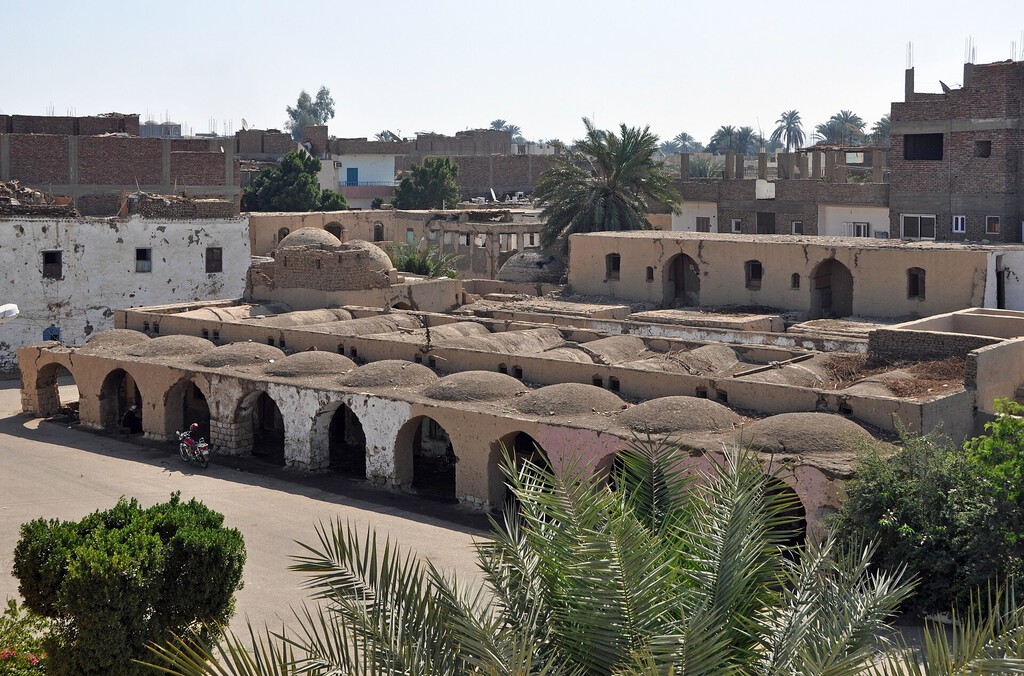
Hassan Fathy's life changed in 1941 during a visit to a small Nubian village in the Upper Nile. There, he found something modern architecture had forgotten: mud-brick houses that seemed to rise from the landscape and maintained a comfortable temperature even under the scorching Egyptian sun.
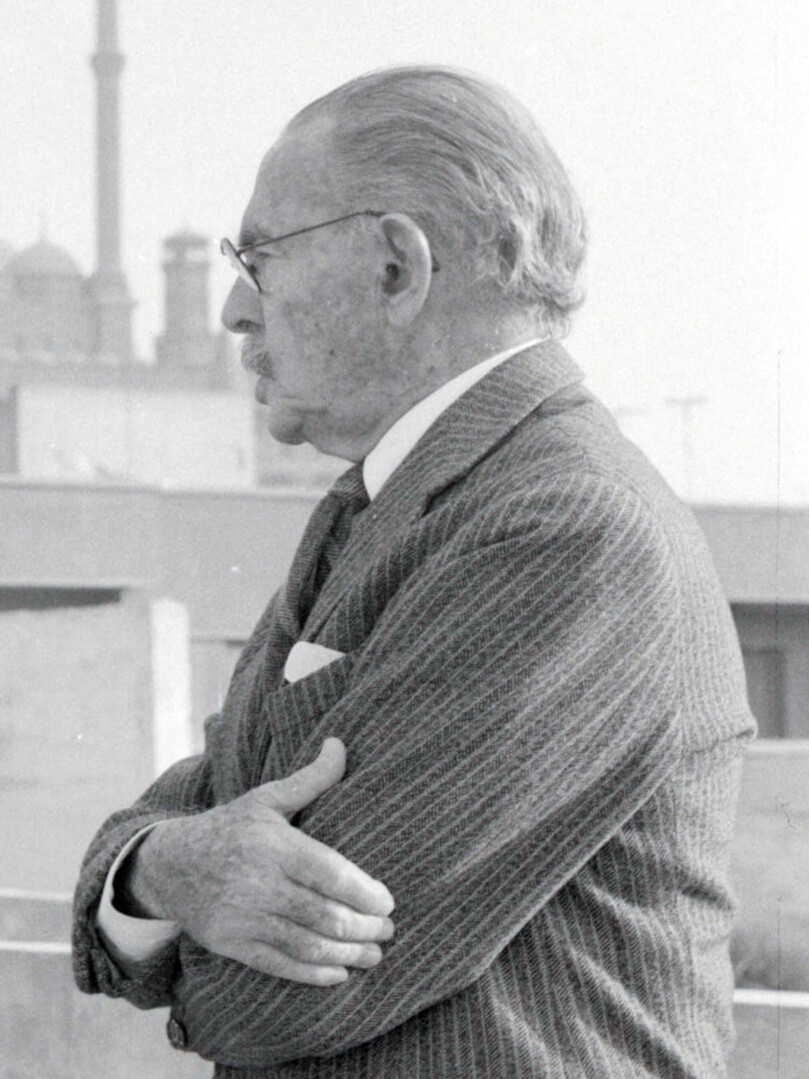
While the rest of the world equated progress with concrete, steel, and glass, Fathy began to wonder why these humble constructions could coexist with the climate so much better than modern buildings.

Heat as a Psychological Problem
Fathy understood something that today's science links to heatwaves: an uncomfortable home not only consumes more energy but also affects rest, mood, and quality of life. His obsession was never to build spectacular buildings but to create spaces where the air itself worked in favor of those living inside.
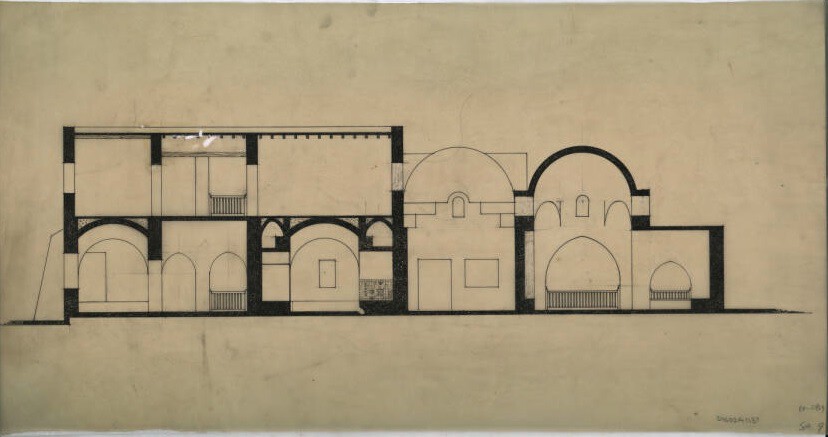
This insight is more relevant than ever as we face rising temperatures and the environmental impact of air conditioning. Fathy's passive cooling techniques offer a way to stay cool without relying solely on energy-intensive systems.
Key Principles of Passive Cooling
Fathy's architecture was based on a deep understanding of local climate and materials. Here are some of the core principles he employed:
- Thermal mass: Using thick mud-brick walls to absorb heat during the day and release it at night, stabilizing indoor temperatures.
- Natural ventilation: Designing openings and courtyards to capture prevailing breezes and promote air circulation.
- Evaporative cooling: Incorporating water features and fountains to cool the air through evaporation.
- Shading and orientation: Orienting buildings to minimize solar gain and using shading devices like mashrabiya screens.
- Courtyard design: Creating central courtyards that act as cool air reservoirs and facilitate cross-ventilation.
These principles are not just historical curiosities; they are being rediscovered today as sustainable design strategies. By incorporating them into modern homes, we can reduce our dependence on air conditioning and create healthier living environments.
Comparing Passive Cooling and Air Conditioning
To understand the benefits of passive cooling, let's compare it with conventional air conditioning:
| Aspect | Passive Cooling | Air Conditioning |
|---|---|---|
| Energy Use | Low to none | High |
| Environmental Impact | Minimal | Significant (greenhouse gases) |
| Initial Cost | Moderate to high (design and materials) | Moderate (unit and installation) |
| Operating Cost | Very low | High (electricity) |
| Health Impact | Positive (natural ventilation) | Potential issues (poor air quality, dry air) |
| Reliance on Technology | Low | High |
While air conditioning provides immediate relief, passive cooling offers a long-term, sustainable solution that aligns with natural processes. It requires thoughtful design but pays off in comfort and energy savings. The longer history behind the story is traced in Hassan Fathy's Passive Cooling: A Solution for Hot Homes. More on the surrounding debate is collected in Ancient Persian Cooling: 2,500-Year-Old Passive Cooling Beats AC.
Applying Fathy's Lessons Today
So, how can we apply Fathy's lessons to our modern homes? Start by assessing your home's orientation and insulation. Improving insulation and sealing leaks can significantly reduce heat gain. Consider adding external shading, such as awnings or trees, to block direct sunlight. The background to this story is set out in Bio-Architecture & Energy Certification: Build a Sustainable Home. A related thread runs through Trending: latest articles. Earlier coverage in Leroy Merlin's Portable AC Heats and Cools for Year-Round Comfort shows how the argument developed.
Natural ventilation is another powerful tool. Open windows at opposite sides of the house to create cross-breezes. If you have a courtyard or patio, use it to channel cool air into the interior. Even small changes like using ceiling fans can make a difference. A closer look at the same subject appears in Whitewashing Walls: The Forgotten Summer Cooling Secret. Anyone following the wider picture can start with Lidl's Bladeless Fan: Beat the Heat for Five Times Less Than Dyson. The same theme surfaces in Clay Cooling Tech Cuts Building Heat by 15 Degrees Without AC, which takes a different angle.
For those planning a new home or renovation, consider incorporating thermal mass materials like brick or stone. These materials can help regulate indoor temperatures year-round. Also, think about adding water features or a small fountain in a shaded area to enhance evaporative cooling. Context on how this played out before sits in Airport Cooling Without Air Conditioning: Natural Ventilation Success. A companion piece, Two Fans Cross-Ventilation: Science, Benefits, and Limits, approaches the same subject from another angle.
FAQ
What is passive cooling and how does it work?
Passive cooling refers to design strategies that cool buildings without mechanical systems. It relies on natural processes like thermal mass, ventilation, and shading to maintain comfortable indoor temperatures.
Who was Hassan Fathy and why is he important?
Hassan Fathy was an Egyptian architect known for pioneering sustainable architecture in the mid-20th century. He revived traditional building techniques, such as mud-brick construction and natural ventilation, to create climate-responsive homes.
Can passive cooling replace air conditioning entirely?
In many climates, passive cooling can significantly reduce the need for air conditioning, but it may not eliminate it entirely. Combining passive strategies with efficient HVAC systems can provide optimal comfort with minimal energy use.
What are the main benefits of passive cooling?
Passive cooling reduces energy consumption and greenhouse gas emissions, lowers utility bills, and improves indoor air quality. It also enhances resilience to power outages and contributes to a healthier living environment.
Browse the Shop
 Acacia frida deluxe solid wood bed frame |
Bedroom bench |
Bed chest drawers |
Lingerie dresser |
Frame base |
Mirror with jewelry storage |
30 Bathroom Vanity |
Memory foam queen mattress |
Mattresses for back pain |
Nightstand set of 2 |
Grand Goldman Shop |
Civil Lawyer
Deutschland Trikot WM 2026







