

AI demand is now straining RAM prices and battery supply chains, as data centers consume massive resources. The memory crisis never ended; it just faded from headlines while prices stayed high. Now, the same insatiable appetite for AI is hitting batteries.
Why AI Data Centers Are Hungry for RAM and Batteries
Data centers powering AI platforms need vast amounts of memory and reliable backup power. RAM, SSDs, and hard drives are already in short supply due to AI's demands. But the next bottleneck is batteries, which provide uninterruptible power to keep AI running without interruption.
Find Original Home Decor sparking conversation at Grand Goldman Shop.

When the grid flickers or a spike occurs, batteries between server racks kick in instantly. Without them, AI training and inference could halt, costing millions. That's why battery demand is skyrocketing alongside RAM.
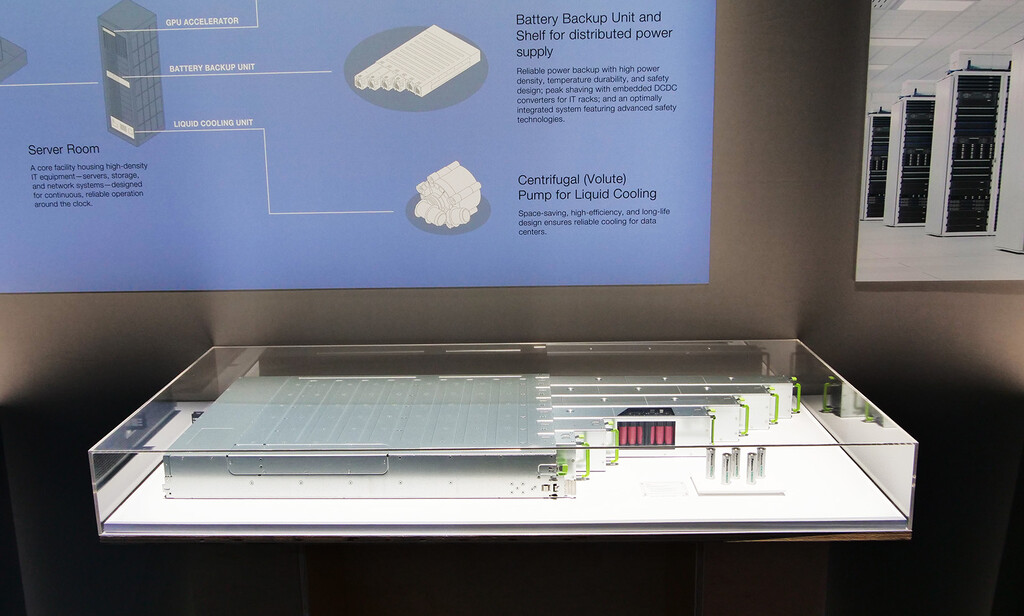
Panasonic's Plan to Triple Lithium-Ion Production
Panasonic recently announced plans to triple its lithium-ion cell production capacity. The Japanese giant will expand dedicated facilities and convert some automotive plants to battery manufacturing. This includes overseas plants like the one in Kansas.
The short answer for this expansion is AI. The long answer is that AI cannot afford downtime, so backup batteries are essential. Panasonic's move signals that battery supply is the next frontier in the AI resource race.
What This Means for the Tech Industry
The RAM shortage has already inflated prices for consumers and businesses. Now, battery scarcity could drive up costs for electric vehicles, consumer electronics, and energy storage systems. As AI data centers compete for batteries, other sectors may face delays and higher prices.
This shift highlights how AI's growth has far-reaching consequences. It's not just about software; it's about physical resources. Companies that rely on batteries, from automakers to smartphone manufacturers, need to prepare for tighter supply.
Key Takeaways
- AI data centers are driving unprecedented demand for RAM and batteries.
- Panasonic plans to triple lithium-ion production to meet AI backup power needs.
- Battery supply constraints could affect EVs, electronics, and energy storage.
- Consumers may see higher prices for memory and battery-powered devices.
- The AI resource race is reshaping global supply chains.
Battery Demand: A Comparison
| Sector | Primary Use | Impact of AI Demand |
|---|---|---|
| Data Centers | Backup power for servers | High: Direct competition for batteries |
| Electric Vehicles | Propulsion and energy storage | Medium: Potential supply delays |
| Consumer Electronics | Portable power | Medium: Price increases likely |
| Energy Storage | Grid stabilization | High: Diverted supply to AI |
The table shows how AI's battery demand could ripple across industries. Data centers and energy storage are most directly affected, while EVs and electronics may face indirect pressure. The background to this story is set out in Food Security Crisis: Why Just-in-Time Supply Chains Need a Backup. A related thread runs through Texas Sets Power Demand Records Without Blackouts Thanks to Batteries. Earlier coverage in AI Data Centers Face a Power Grid Bottleneck Crisis shows how the argument developed.
What to Watch Next
Keep an eye on Panasonic's production timeline and other battery manufacturers' responses. If AI demand continues to surge, we may see more companies following Panasonic's lead. Also, watch for government policies and incentives that could influence battery supply chains. A closer look at the same subject appears in Data Centers Consume Water, Power and Money But Not Workers. Anyone following the wider picture can start with AI Memory Demand Strains Smartphone Makers: SMIC's Opportunity. The same theme surfaces in Molten Salt Batteries: Storing Renewable Energy Without Lithium, which takes a different angle.
For now, the message is clear: AI's hunger is not just for data and chips; it's for energy storage too. The RAM crisis was a warning. The battery crunch is the next challenge. Context on how this played out before sits in Kyiv Food Shortages: Russia Targets Supply Chains. A companion piece, Ulanqab: The Chinese City Powering AI Data Centers, approaches the same subject from another angle.
FAQ
Why does AI need batteries?
AI data centers require uninterrupted power to avoid costly downtime. Batteries provide instant backup during grid fluctuations, ensuring continuous operation.
How does Panasonic's expansion affect battery supply?
Panasonic's plan to triple lithium-ion production will increase supply, but much of it will go to AI data centers. This could ease AI's battery needs but may tighten supply for other sectors.
Will this impact electric vehicle prices?
Possibly. If battery supply is diverted to AI data centers, EV manufacturers may face higher costs and delays, which could translate to higher prices for consumers.
What can consumers do to prepare?
Consumers should anticipate higher prices for devices that rely on RAM and batteries. Planning purchases ahead and choosing energy-efficient products can help mitigate costs.
Browse the Shop
 Acacia frida deluxe solid wood bed frame |
Bedroom bench |
Bed chest drawers |
Lingerie dresser |
Frame base |
Mirror with jewelry storage |
30 Bathroom Vanity |
Memory foam queen mattress |
Mattresses for back pain |
Nightstand set of 2 |
Grand Goldman Shop |
Civil Lawyer
Deutschland Trikot WM 2026







