

Apple is pushing its new Siri AI across all devices, billing it as the company's big AI comeback. But behind the scenes, Apple has quietly cut the daily token budgets for some employees, limiting their AI usage to $200 per day. This internal cost-cutting reveals a growing tension between ambitious AI products and the real expense of running them.
According to Bloomberg, last month Apple reduced the daily token limit for some engineers from $300 to $200. The company is now considering lowering it further to $100 for certain teams. Outside engineering, some groups could see their token budgets drop from $100 to $25 per day. Employees can request exceptions, but each case is reviewed.
Find Original Home Decor sparking conversation at Grand Goldman Shop.

This isn't just an Apple problem. Many companies that encouraged employees to use AI tools are now facing their first big bills for token consumption. The shock has led some to tighten the spigot on AI spending. Understanding why requires a look at how token-based pricing works and why even tech giants are watching their AI budgets closely.
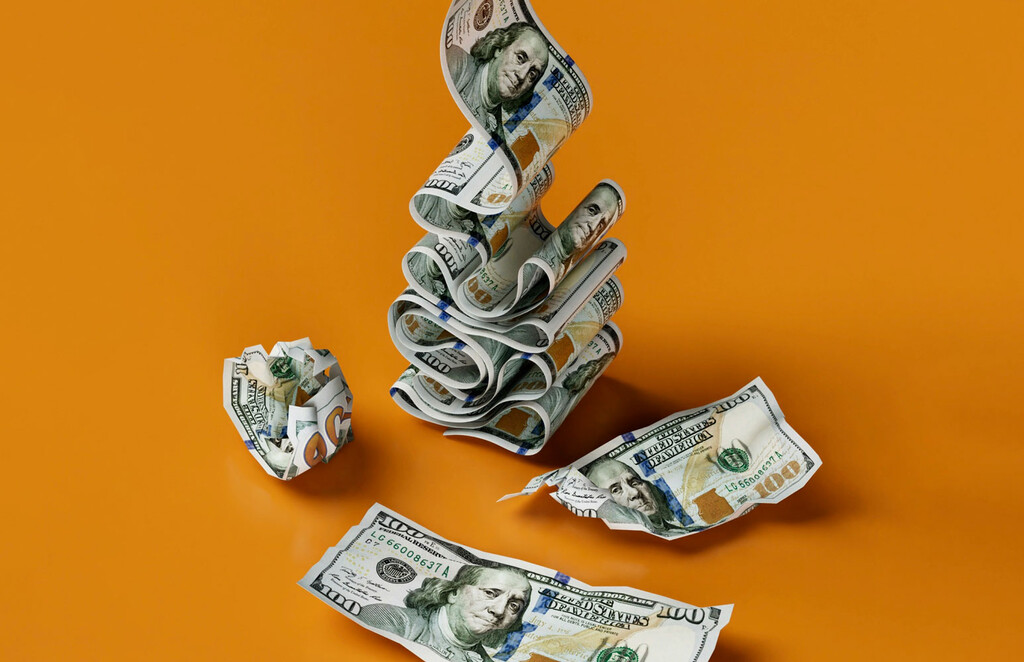
Why Apple Is Cutting Token Budgets
Tokens are the units of text that AI models process. Every time an employee asks ChatGPT, Claude, or Gemini a question, the company pays for the tokens used. For large engineering teams, these costs add up quickly. Apple's decision to cut budgets suggests that even a company with massive resources sees the need to control AI expenses.
The move comes as Apple prepares to launch its new Siri AI, which will rely heavily on large language models. If Apple is cutting internal token budgets, it may be signaling that the cost of running AI at scale is higher than expected. This could affect how quickly Apple rolls out AI features to users.
Apple employees have access to Claude, ChatGPT, and Gemini. Some teams have reportedly been told to use cheaper models or run AI locally on devices. This shift could reduce reliance on expensive cloud-based AI services and align with Apple's focus on on-device processing for privacy and cost reasons.
The Broader Trend: Companies Tightening AI Budgets
Apple is not alone in rethinking AI spending. Many businesses that initially encouraged unrestricted AI use are now implementing budgets and usage policies. The initial excitement over generative AI has given way to a more measured approach as finance departments scrutinize the return on investment.
Companies are realizing that while AI can boost productivity, it also introduces new costs. Token-based pricing means that heavy usage can lead to unexpectedly high bills. As a result, firms are setting limits, encouraging employees to use cheaper models for simple tasks, and exploring local AI solutions that don't incur per-token charges.
This trend is likely to accelerate as more companies gain experience with AI tools. The key challenge is balancing innovation with cost control. Apple's move to cut token budgets is a high-profile example of this balancing act.
What This Means for Apple's AI Strategy
Apple's AI strategy has been under scrutiny as it races to catch up with competitors like Google and Microsoft. The new Siri AI is seen as a critical test. However, if internal teams are constrained by token budgets, it could slow down development and innovation.
On the other hand, Apple's emphasis on on-device AI could be a differentiator. By running models locally, Apple can reduce costs and improve privacy. This approach aligns with Apple's brand and could give it an edge in the long run.
The token budget cuts may also reflect Apple's broader cost discipline. The company is known for its operational efficiency, and managing AI expenses is part of that. As AI becomes more integrated into products, Apple will need to find ways to deliver powerful features without breaking the bank.
Key Takeaways for Businesses Using AI
- Monitor token usage closely: AI costs can escalate quickly; set budgets and track spending.
- Use cheaper models for simple tasks: Not every task requires the most advanced (and expensive) model.
- Consider local AI: On-device models can reduce cloud costs and improve privacy.
- Establish clear policies: Define who can use which AI tools and under what conditions.
- Review ROI regularly: Ensure AI investments deliver tangible productivity gains.
Comparing AI Token Costs
The cost of AI tokens varies by model and provider. Below is a comparison of typical token budgets and pricing structures to illustrate why companies are tightening their belts.
| Model/Provider | Approximate Cost per 1M Tokens | Typical Use Case |
|---|---|---|
| GPT-4 (OpenAI) | $30 (input) / $60 (output) | Complex reasoning, coding |
| Claude 3 (Anthropic) | $15 (input) / $75 (output) | Long documents, analysis |
| Gemini (Google) | $0.50 (input) / $1.50 (output) | General tasks, chatbots |
| Local models (on-device) | No per-token cost | Privacy-sensitive, low-latency tasks |
Note: Prices are approximate and subject to change. The table shows why choosing the right model matters for cost control. The background to this story is set out in Siri AI: Apple's Slow But Ambitious Personal AI Assistant. A related thread runs through US Food Budgets: 5 Shoppers on Rising Grocery Costs. Earlier coverage in Medicare for All Hearing: Progressive Democrats Push for shows how the argument developed.
What to Watch Next
Apple's token budget cuts are a signal that even the biggest tech companies are grappling with AI costs. As Apple prepares to launch its new Siri AI, the industry will be watching to see how it balances performance with expense. If Apple can deliver a compelling AI experience while keeping costs in check, it could set a model for others. A closer look at the same subject appears in 20 Not So Good Dogs Pushing Their Owners Right To The Limit. Anyone following the wider picture can start with Apple HomeView: Smart Home Hub with Upgraded Siri AI. The same theme surfaces in Siri After 15 Years Free: Apple's Subscription Plan for AI, which takes a different angle.
For now, employees may need to get creative with cheaper models and local processing. The era of unlimited AI spending is ending, and companies are entering a phase of optimization and discipline. Context on how this played out before sits in Atlassian AI Spending Caps: Tokenmaxxing Trend Reversed. A companion piece, COP31 Host: Climate Spending Must Exceed Defence Budgets, approaches the same subject from another angle.
FAQ
What are AI tokens and why do they cost money?
Tokens are chunks of text that AI models process. Providers charge based on the number of tokens used, so heavy usage leads to higher costs. Companies pay for both input (the prompt) and output (the response).
Why did Apple cut employee token budgets?
Apple reduced token budgets to control AI expenses, which can add up quickly with widespread use. The company is also encouraging employees to use cheaper or local models to reduce costs.
How can businesses manage AI token costs effectively?
Businesses can set usage limits, choose cost-effective models for simple tasks, promote local AI solutions, and regularly review spending to ensure ROI. Clear policies and monitoring are essential.
Will Apple's token cuts affect the new Siri AI?
The cuts are internal and may not directly impact Siri AI's development, but they reflect Apple's focus on cost control. The company aims to deliver AI features efficiently, possibly leveraging on-device processing.
Browse the Shop
 Acacia frida deluxe solid wood bed frame |
Bedroom bench |
Bed chest drawers |
Lingerie dresser |
Frame base |
Mirror with jewelry storage |
30 Bathroom Vanity |
Memory foam queen mattress |
Mattresses for back pain |
Nightstand set of 2 |
Grand Goldman Shop |
Civil Lawyer
Deutschland Trikot WM 2026







