

China's HG-STR algorithm represents a leap in autonomous drone swarm technology, achieving what reports claim is 100% precision in combat scenarios. This development signals a paradigm shift in future warfare, where artificial intelligence orchestrates fleets of drones without human intervention.
According to sources cited by South China Morning Post (SCMP), the Heterogeneous Graph Spatio-Temporal Reasoning (HG-STR) algorithm serves as the brain for fixed-wing drone swarms. It enables them to coordinate autonomously, identify targets, and execute missions with minimal human oversight. This aligns with China's 14th Five-Year Plan, which prioritizes technological supremacy across AI, robotics, and military domains.
Find Original Home Decor sparking conversation at Grand Goldman Shop.

What Is the HG-STR Algorithm?
HG-STR stands for Heterogeneous Graph Spatio-Temporal Reasoning. It is an AI-driven algorithm designed to process and integrate diverse data types—such as spatial coordinates, temporal sequences, and sensor inputs—from multiple drones in real time. By constructing a dynamic graph representation, the system can reason about the battlefield environment and make split-second decisions.
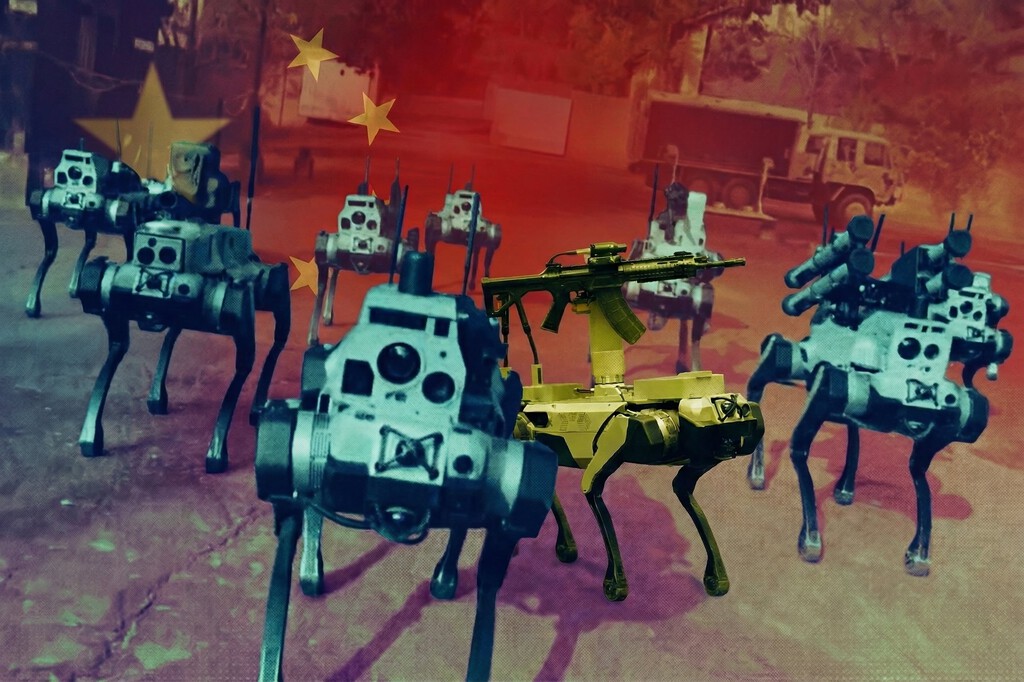
Unlike traditional drone operations that rely on remote human pilots, HG-STR enables a swarm to function as a single, coordinated entity. Each drone contributes to a shared understanding of the battlespace, allowing the swarm to adapt to threats, allocate tasks, and pursue objectives autonomously. This level of autonomy is unprecedented in military applications.
How the Swarm Operates Autonomously
The HG-STR algorithm processes data from onboard sensors and communication links to build a real-time model of the environment. It then uses spatio-temporal reasoning to predict enemy movements, identify high-value targets, and coordinate attack patterns. The swarm can dynamically reassign roles—for example, designating some drones for reconnaissance while others engage targets—without human input.
This autonomy is made possible by advances in edge computing and AI. Each drone carries sufficient processing power to run parts of the algorithm locally, reducing reliance on centralized command. The swarm communicates via secure networks, sharing updates and maintaining cohesion even in contested electromagnetic environments.
Implications for Future Warfare
The development of HG-STR is part of a broader global trend toward autonomous weapons systems. The United States, Russia, and other nations are also investing heavily in drone swarm technology. However, China's claim of 100% precision—if verified—would mark a significant milestone. Autonomous swarms could overwhelm traditional air defenses, conduct saturation attacks, and operate in environments where human pilots would be at risk.
Critics raise ethical concerns about machines making life-and-death decisions. International campaigns, such as the Campaign to Stop Killer Robots, advocate for a ban on fully autonomous weapons. China has not signed on to such bans, and its military modernization continues unabated. The background to this story is set out in China's 110-Meter Qitai Radio Telescope Achieves Extreme Precision. A related thread runs through Brain Injury Lawsuit: Dismissed Solicitor Still Represents. Earlier coverage in China Builds 607-Hectare Artificial Island in South China Sea shows how the argument developed.
Key Features of the HG-STR System
- Autonomous coordination: The swarm operates without human intervention, using AI to plan and execute missions.
- Real-time spatio-temporal reasoning: Integrates spatial and temporal data to predict and react to dynamic threats.
- Heterogeneous data fusion: Combines inputs from various sensors and sources for a comprehensive battlefield picture.
- Scalability: Designed to control large numbers of fixed-wing drones simultaneously.
- High precision: Reported 100% accuracy in target engagement, though independent verification is lacking.
Comparison with Other Autonomous Swarm Projects
| System | Country | Autonomy Level | Reported Precision | Status |
|---|---|---|---|---|
| HG-STR | China | Fully autonomous | 100% (claimed) | In development/testing |
| Perdix | USA | Semi-autonomous | Not disclosed | Tested |
| Swarm | Russia | Semi-autonomous | Not disclosed | In development |
What to Watch Next
China's progress with HG-STR will likely accelerate the global arms race in autonomous systems. Observers should watch for official demonstrations, export attempts, and reactions from other military powers. The ethical and legal debates will intensify as autonomy becomes more capable. A closer look at the same subject appears in Hand-Cut Wood: Precision Without the Strain. Anyone following the wider picture can start with Australia Warns China: No Bullying Amid Military Buildup. The same theme surfaces in US and Russia Block Binding Autonomous Weapons Rules at UN, which takes a different angle.
Meanwhile, the integration of AI in warfare raises questions about accountability and the potential for unintended escalation. As drone swarms become more autonomous, the line between human decision-making and machine action blurs, posing challenges for international humanitarian law. Context on how this played out before sits in China's Premium Shift: How Made in China Shed Its Copycat Past. A companion piece, Unitree's World-Model Humanoid Robot Achieves Full Autonomy, approaches the same subject from another angle.
FAQ
What is the HG-STR algorithm?
HG-STR (Heterogeneous Graph Spatio-Temporal Reasoning) is an AI algorithm developed by China to enable autonomous coordination of drone swarms. It processes diverse data to allow drones to operate without human intervention.
How does the drone swarm achieve 100% precision?
The claim of 100% precision comes from a source cited by SCMP, but details are scarce. It likely refers to successful target hits in controlled tests, though real-world conditions may vary.
Is this technology already deployed?
There is no confirmation that HG-STR is operational. It appears to be in development or testing phases, with potential future deployment in the Chinese military.
What are the ethical concerns?
Fully autonomous weapons raise concerns about accountability and the risk of unintended conflict. International groups call for bans, but major powers including China continue development.
Browse the Shop
 Acacia frida deluxe solid wood bed frame |
Bedroom bench |
Bed chest drawers |
Lingerie dresser |
Frame base |
Mirror with jewelry storage |
30 Bathroom Vanity |
Memory foam queen mattress |
Mattresses for back pain |
Nightstand set of 2 |
Grand Goldman Shop |
Civil Lawyer
Deutschland Trikot WM 2026







