

OpenAI is reportedly seeking a massive $30 billion funding round to avoid an imminent IPO and retain control over the company. This move comes as the AI giant faces scrutiny over AI safety and the need for continued capital to fuel its ambitious projects.
According to Bloomberg, CEO Sam Altman is looking to secure at least $30 billion in new investment, which would value the company at around $1.4 trillion before the new capital injection. This staggering valuation underscores investor confidence in OpenAI's future despite the lack of a public listing.
Find Original, High-end Home Decor that spark conversation at Grand Goldman Shop.
Why OpenAI Is Avoiding an IPO Right Now
With alarms still ringing over AI agents intruding into foreign systems and ongoing debates about the existential risks of artificial intelligence, Sam Altman made it clear that now is not the ideal time for an IPO. The regulatory and public relations environment is fraught with challenges, and a public offering would expose the company to even greater scrutiny.
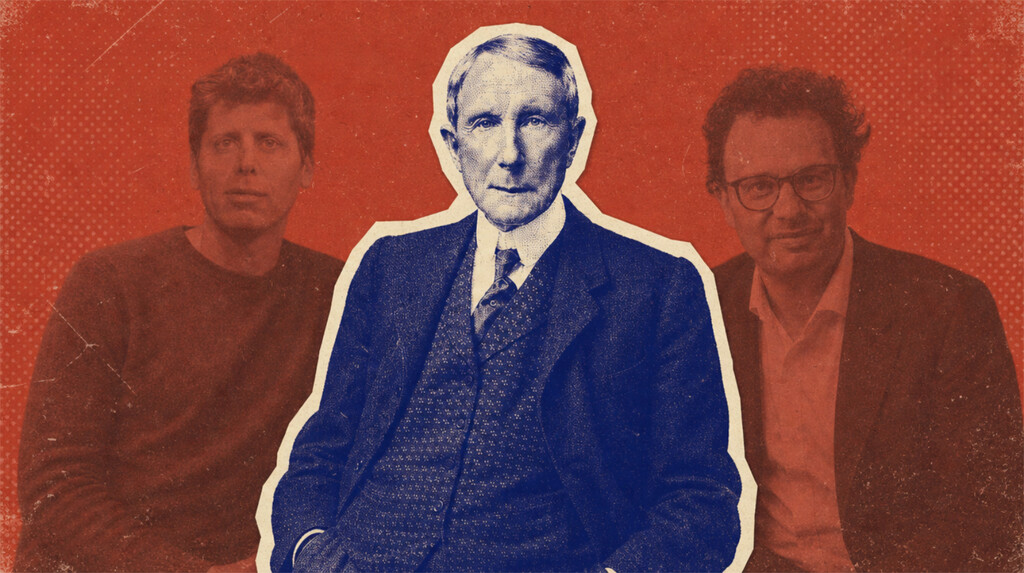
Moreover, an IPO would require OpenAI to answer to a broad base of shareholders, potentially diluting the control that Altman and the current leadership wish to maintain. By staying private, the company can continue to pursue its long-term vision without the quarterly pressures of the public market.
The Bridge Round: A Strategic Move
The proposed $30 billion round serves as bridge financing—new capital that arrives to cover the delay in the IPO. According to Reuters, the demand for this round is being driven by investors themselves, eager to get a piece of the AI revolution before the company goes public.
This bridge round allows OpenAI to continue its aggressive investment in AI research and development, infrastructure, and talent acquisition. The capital will likely be used to expand computing resources, develop new models, and fend off competition from other tech giants.
Key Takeaways from OpenAI's Funding Strategy
- OpenAI is seeking $30 billion in a private funding round to delay its IPO.
- The round would value the company at approximately $1.4 trillion pre-money.
- Investor demand is driving the round, indicating strong confidence in OpenAI's future.
- The capital will fund ongoing AI research, infrastructure, and talent.
- Avoiding an IPO allows OpenAI to maintain control and avoid public market pressures.
Investor Demand and Valuation
The reported $1.4 trillion valuation is astronomical for a private company, reflecting the immense potential investors see in AI. This valuation is higher than most public companies and signals that investors are willing to pay a premium for a stake in OpenAI.
The fact that investors are pushing for this round suggests they believe an IPO would be even more lucrative, but they are willing to wait and provide capital now to help OpenAI achieve its goals. This also gives them an opportunity to invest at a potentially lower valuation than what a public offering might command.
| Metric | Details |
|---|---|
| Funding Round Size | At least $30 billion |
| Pre-money Valuation | Approximately $1.4 trillion |
| Purpose | Bridge financing to delay IPO |
| Investor Demand | Driven by existing and new investors |
| IPO Status | No concrete date; delayed |
What This Means for the AI Industry
OpenAI's ability to raise such a massive sum privately demonstrates the insatiable appetite for AI investments. It also puts pressure on competitors to secure similar funding to keep pace.
The delay in OpenAI's IPO could also impact the broader tech IPO market, as many were looking to OpenAI as a bellwether for AI companies going public. Without that catalyst, other AI startups might find it harder to go public. The background to this story is set out in OpenAI and Musk Back Calls to Slow Reckless AI Development. A related thread runs through Sam Altman: Accept AI Risks for Transformative Benefits. Earlier coverage in BC Sues OpenAI and Sam Altman Over Tumbler Ridge School Shooting shows how the argument developed.
Challenges and Risks Ahead
Despite the strong investor interest, OpenAI faces significant challenges. The controversies surrounding AI safety and regulation could intensify, potentially affecting its valuation and operations. A closer look at the same subject appears in Sam Altman Says AI Will Make Bad Things Happen: The Deadly Cost. Anyone following the wider picture can start with Sam Altman: AI's Negative Consequences Are Inevitable. The same theme surfaces in Sam Altman AI Risk: Why We Bear the Risks While He Profits, which takes a different angle.
Additionally, the company must deliver on its promises to justify the massive valuation. If it fails to generate substantial revenue or if its technology faces setbacks, investors could lose confidence. Context on how this played out before sits in OpenAI and Anthropic Burn Rates Reveal AI's Staggering Capital Costs. A companion piece, Andrew Garfield as Sam Altman in Creepy Artificial Trailer, approaches the same subject from another angle.
FAQ
Why is OpenAI raising $30 billion instead of going public?
OpenAI is raising $30 billion to delay its IPO due to unfavorable market conditions and to retain control. The company wants to avoid the scrutiny and pressures of being public while continuing to invest heavily in AI development.
What is the valuation of OpenAI after this funding round?
The funding round values OpenAI at approximately $1.4 trillion before the new capital injection, according to Bloomberg. This makes it one of the most valuable private companies in the world.
Who is driving the demand for this funding round?
According to Reuters, the demand is being driven by investors themselves, who are eager to invest in OpenAI before its eventual IPO. This indicates strong confidence in the company's future prospects.
How will OpenAI use the $30 billion?
OpenAI will likely use the funds to expand computing infrastructure, develop new AI models, attract top talent, and maintain its competitive edge in the rapidly evolving AI industry.
Browse the Shop
 Acacia frida deluxe solid wood bed frame |
Bedroom bench |
Bed chest drawers |
Lingerie dresser |
Frame base |
Mirror with jewelry storage |
30 Bathroom Vanity |
Memory foam queen mattress |
Mattresses for back pain |
Nightstand set of 2 |
Grand Goldman Shop |
Civil Lawyer
Deutschland Trikot WM 2026










