

When it comes to collecting or purchasingbone china, distinguishing authentic pieces from imitations is crucialboth for preserving value and enjoying the unique qualities that set real bone china apart.
Drawing on years of experience in the world of fine ceramics, Ive learned that genuinebone chinastands out for itstranslucency,lightweight feel, anddistinctive bell-like ringwhen tapped.Unlike ordinary porcelain, authentic bone china is crafted with bone ash, resulting in asmooth, glassy surfaceand remarkabledurabilitydespite its delicate appearance.
Find Original, High-end Home Decor that spark conversation at Grand Goldman Shop.
One of the most reliable methods is thelight test: simply hold the piece up to a strong light or place it over a flashlight in a dark roomtrue bone china will allow a gentle glow to pass through, revealing its signature translucence.Checking thebackstampis equally important; reputable manufacturers like Wedgwood or Royal Doulton mark their wares with clear hallmarks, often including the words Bone China, the country of origin, and sometimes a pattern number or date.
As a passionate collector, I always advise examining theweight,whiteness, andpattern detailsauthentic bone china is lighter, maintains its bright white color over time, and features crisp, intricate designs.By mastering these identification techniques, youll confidently recognize and appreciate the beauty and value ofgenuine bone chinain any collection.

1. Understanding Bone China
Bone china is prized for its delicate beauty and durability. It's a fusion of strength and elegance in porcelain form.
The secret to bone china's appeal lies in its composition. It includes bone ash, which gives it strength and a warm hue.
Developed in England, bone china has a long history dating back to the 18th century. It was first created by combining traditional materials with bone ash to mimic ivory's look and feel.
This innovation resulted in a porcelain that revolutionized the ceramics industry. Its unique properties make it a desirable choice for fine dining and collectibles.
Today, bone china remains popular worldwide, embodying a blend of artistry and craftsmanship that stands the test of time.
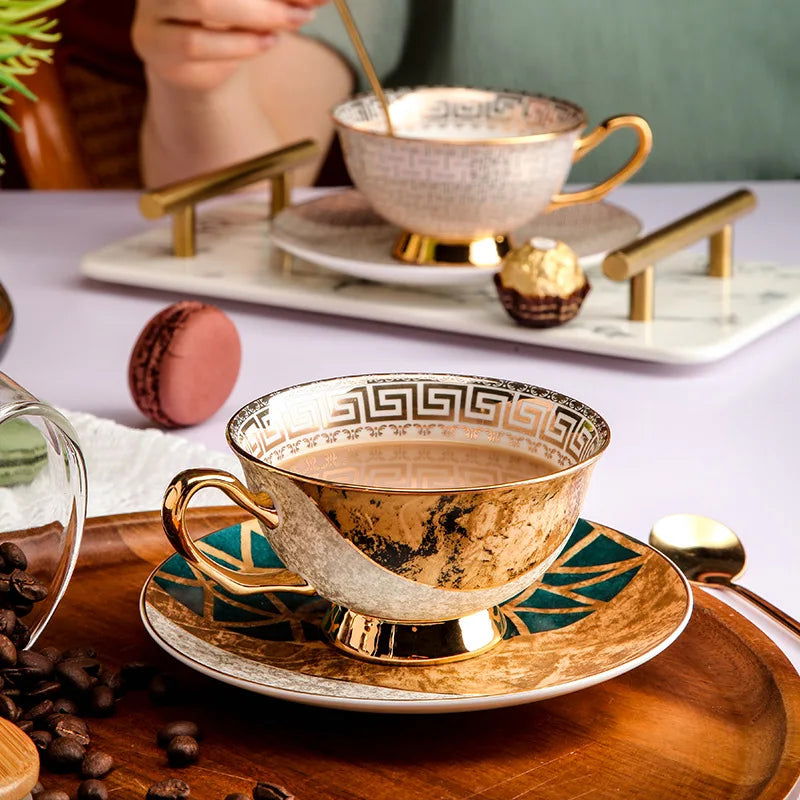
2. The Composition of Bone China
Bone china's allure begins with its composition. It combines feldspathic material, kaolin, and about 25-30% bone ash.
This unique blend gives bone china its renowned translucency and strength. Unlike other porcelains, its bone ash content provides resilience.
The origin of the name "bone china" is tied to this composition. The calcined animal bones are crucial to its quality.
The inclusion of bone ash results in a porcelain that is both strong and lightweight. This balance is key to its unique charm.
The production process requires skillful crafting, ensuring that each piece maintains its smooth surface and aesthetic appeal.

3. Visual Inspection: Translucency and Color
Translucency is a hallmark of genuine bone china. When held up to a bright light, it allows light to pass through.
This effect creates a distinctive, almost ethereal glow. The level of translucency sets bone china apart from other ceramics.
Color can also guide you in identification. Fine bone china typically features a creamy white hue, not bright white.
The presence of bone ash gives it this warmer tone. This subtle color difference can distinguish it from regular porcelain.
Inspecting the glaze is equally important. A clear, flawless finish indicates high quality and authenticity, enhancing its overall appeal.
4. The Touch Test: Texture and Weight
Authentic bone china feels smooth to the touch. It should have no bumps or imperfections on the surface.
Delicacy defines bone china's physical feel. Despite being light, its strength is unmatched among porcelains.
Consider the weight carefully. Bone china is generally lighter than standard porcelain.
The thinness contributes to this characteristic, making it easier to handle. Refined edges often indicate fine craftsmanship.
Handling bone china reveals its balanced design. Even in its lightness, it carries a strong presence, embodying both elegance and durability.

5. The Sound Test: Tapping for Authenticity
The sound bone china makes is distinctive. When tapped, it emits a clear, resonant "ping" rather than a dull thud.
This ringing sound is a sign of its quality. It indicates the fine material used in bone china creation.
To test, gently tap the edge with a fingernail or spoon. The resulting sound should be smooth and musical.
This test is practical and straightforward. It offers insight into whether the piece is genuine bone china.
Even if unmarked, this auditory test can be telling. It confirms authenticity through sound alone.
Bone China Tea Cup SetsShop Now

6. Identifying Marks: Pottery Marks Identification Guide
Pottery marks can reveal much about a piece. They help identify the maker and the age of the china.
These marks are often found on the base. They can include logos, symbols, or even numbers.
Using a pottery marks guide simplifies the process. It helps decipher these identifiers to determine authenticity.
Some marks indicate specific manufacturers. Knowing these can assist in assessing the piece's value.
It's important to be familiar with common mark types. They may include:
- Manufacturer's logo
- Serial numbers
- Country of origin
- Specific production years
- Artist signatures
Recognizing these signs is crucial. It aids in understanding a piece's lineage and history.
7. Unmarked Bone China: How to Identify
Unmarked bone china pieces can be challenging. Their lack of stamps or logos requires different identification methods.
A piece's translucency is key. Hold it to the light to check for semi-transparent quality.
The texture of unmarked bone china should be smooth. A fine, silky finish often signifies authenticity.
Listen for a clear, ringing sound when tapped. This distinctive "ping" helps distinguish genuine bone china.
Examine the weight and balance. Lightness and even distribution are features of true bone china.
Bone China DinnerwareShop Now

8. The Difference Between Bone China and Porcelain
Bone china and porcelain, though similar, have distinct differences. Understanding these helps in distinguishing them easily.
Bone china is lighter in weight. Its thinner build and delicate look set it apart from porcelain.
Porcelain is usually harder and denser. It typically feels heavier, adding a robust quality to its charm.
Color is another giveaway. Bone china tends to have a warm, creamy hue, unlike the brighter white of porcelain.
The composition also varies. Bone china contains bone ash, while porcelain relies on kaolin, giving each its unique properties.
9. Caring for Your Bone China
Proper care keeps your bone china looking exquisite. Always handle it with gentle care to avoid chipping.
Wash bone china by hand with mild detergent. Avoid dishwashers, as the harsh conditions can cause damage.
When drying, use a soft cloth. Avoid stacking pieces directly on top of one another to prevent scratches.
Extreme temperature changes can cause cracks. So, do not expose bone china to boiling water or freezer conditions.
Store your china in a padded setting. Use dividers or soft materials to separate stacked items, preserving their pristine condition.

Conclusion: The Value of Knowing Genuine Bone China
Understanding how to identify bone china enriches your appreciation of its elegance. This knowledge preserves the quality of your collection.
Possessing authentic bone china elevates dining experiences and holds sentimental value. It's a testament to craftsmanship and historical significance.
Best Products We’ve Tested and Rated

Our testing team has hands-on reviews of walking sandals camping gear july favorites, camping stoves my wild cooking, running vests hydration packs by an ultra runner, camping stoves outdoor cooking, and running vests hydration packs by an ultra. Every option below was compared across price, build quality, and real-world performance, with honest pros and cons. We update these guides regularly as new models arrive, so the recommendations stay current.
Our testing team has hands-on reviews of running vests hydration packs by ultra runner, camping chairs comfort portability, discover europes lakes mountains summer travel, camping chairs portable comfort like la z boy bag, and european lake mountain travel tips submit trip. Every option below was compared across price, build quality, and real-world performance, with honest pros and cons. We update these guides regularly as new models arrive, so the recommendations stay current.
Browse the Shop
 Acacia frida deluxe solid wood bed frame |
Bedroom bench |
Bed chest drawers |
Lingerie dresser |
Frame base |
Mirror with jewelry storage |
30 Bathroom Vanity |
Memory foam queen mattress |
Mattresses for back pain |
Nightstand set of 2 |
Grand Goldman Shop |
Civil Lawyer
Deutschland Trikot WM 2026
Acacia frida deluxe solid wood bed frame |
Bedroom bench |
Bed chest drawers |
Lingerie dresser |
Frame base |
Mirror with jewelry storage |
30 Bathroom Vanity |
Memory foam queen mattress |
Mattresses for back pain |
Nightstand set of 2 |
Grand Goldman Shop |
Civil Lawyer
Deutschland Trikot WM 2026










