

Jensen Huang's return as Nvidia CEO on November 23 came just eleven days after his resignation, and reports suggest that Donald Trump's behind-the-scenes pressure played a pivotal role. The rapid reinstatement raises questions about the intersection of business and politics at the highest levels.
The Resignation and Swift Reinstatement
On November 12, Jensen Huang stepped down as CEO of Nvidia amid a scandal involving infidelity, geopolitics, and suspected espionage for China. The board accepted his resignation, but just eleven days later, the same board unanimously voted to reinstate him. The about-face shocked many industry observers.
Find Original Home Decor sparking conversation at Grand Goldman Shop.

Between those dates, sources indicate that Donald Trump was actively pushing for Huang's return. The former president's influence reportedly extended to direct communication with Nvidia's board, urging them to bring Huang back to lead the company.
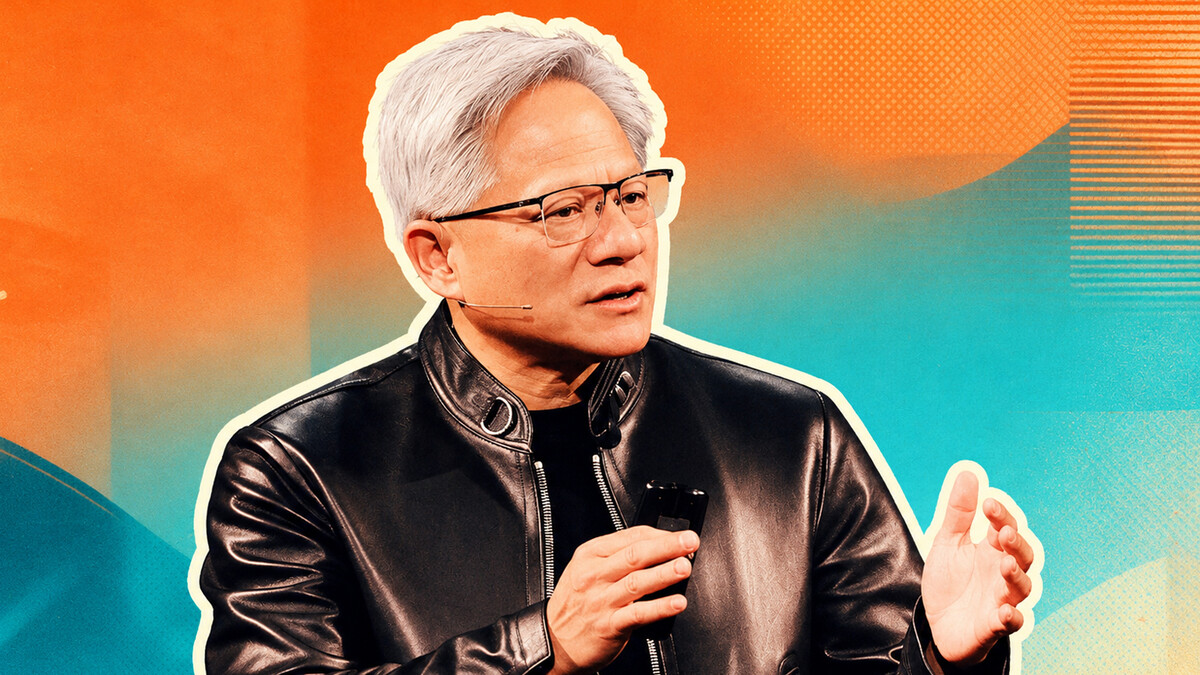
Trump and Huang: A Growing Alliance
The relationship between Huang and Trump reportedly began at a dinner at Mar-a-Lago and deepened over time. Huang has visited the White House nine times and in September sat at the head table at a state dinner alongside Trump and Chinese President Xi Jinping.
In May, Huang accompanied Trump on an official trip to China, where Air Force One even altered its flight plan to pick him up in Alaska. This level of access is unprecedented for a tech CEO and underscores the strategic importance of Nvidia in US-China relations.
Quid Pro Quo: Policy Shifts Favoring Nvidia
The Trump administration reportedly eased restrictions imposed by the Biden administration, allowing Nvidia to sell its previous-generation chips to China. This policy shift directly benefited Nvidia's bottom line and solidified Huang's position as a key player in the tech sector.
Critics argue that such favorable treatment creates a conflict of interest and raises concerns about Nvidia's independence from political influence. Supporters counter that Nvidia's success is vital to national security and economic competitiveness.
Implications for Nvidia and the Tech Industry
Huang's reinstatement solves Nvidia's immediate succession crisis, but it also casts a shadow over the company's governance. The board's swift reversal suggests that external pressures can override internal processes, potentially undermining shareholder confidence.
For the tech industry, the episode highlights the growing entanglement between corporate leadership and political power. As Nvidia continues to lead in AI and semiconductor technology, its decisions will be scrutinized for signs of political influence. The background to this story is set out in Nvidia CEO Espionage Scandal: FBI Investigation Deepens. A related thread runs through Nvidia Scandal Shakes Tech as Political Ties Shift. Earlier coverage in Megaspeed Denies Wrongdoing in Nvidia CEO Jensen Huang Scandal shows how the argument developed.
- Trump's reported pressure was instrumental in Huang's return as CEO.
- Huang's close ties with Trump include nine White House visits and a state dinner with Xi Jinping.
- The administration eased chip export restrictions, benefiting Nvidia.
- Questions remain about Nvidia's independence from political influence.
- The swift reinstatement raises governance concerns for the board.
What to Watch Next
Investors and analysts will be watching how Nvidia's board addresses governance concerns and whether Huang's leadership style changes. The company's next moves in China and its relationship with the US government will be critical. A closer look at the same subject appears in Jensen Huang Returns to Nvidia as CEO With Expanded Power. Anyone following the wider picture can start with Jensen Huang Nvidia CEO Exit Sparks Political Proxy War. The same theme surfaces in Nvidia CEO Search: Candidates to Succeed Jensen Huang, which takes a different angle.
Additionally, the scandal that led to Huang's initial resignation may resurface, and the board's handling of it will be under scrutiny. Transparency and accountability will be key to maintaining trust. Context on how this played out before sits in Nvidia CEO Jensen Huang Reportedly Targeted by Chinese Spy. A companion piece, Jensen Huang's Tough Leadership Style at Nvidia Explained, approaches the same subject from another angle.
| Event | Date | Key Detail |
|---|---|---|
| Huang resigns as CEO | November 12 | Amid scandal involving infidelity and espionage suspicions |
| Board reinstates Huang | November 23 | Unanimous vote after Trump's reported pressure |
| State dinner with Trump and Xi | September | Huang seated at head table |
| China trip with Trump | May | Air Force One diverted to pick up Huang |
FAQ
Why did Jensen Huang resign as Nvidia CEO?
Huang resigned on November 12 amid a scandal involving infidelity, geopolitics, and suspected espionage for China. The board accepted his resignation at the time.
How did Donald Trump influence Huang's return?
According to reports, Trump pressured Nvidia's board to bring Huang back, leveraging their close relationship built over dinners and White House visits.
What is the nature of Huang's relationship with Trump?
Huang and Trump have a close relationship that began at Mar-a-Lago and deepened through multiple White House visits and a state dinner with Xi Jinping. Trump has reportedly called Huang late at night to discuss various topics.
What are the implications for Nvidia?
The episode raises concerns about Nvidia's independence from political influence and the board's governance. It also highlights the strategic importance of Nvidia in US-China tech relations.
Browse the Shop
 Acacia frida deluxe solid wood bed frame |
Bedroom bench |
Bed chest drawers |
Lingerie dresser |
Frame base |
Mirror with jewelry storage |
30 Bathroom Vanity |
Memory foam queen mattress |
Mattresses for back pain |
Nightstand set of 2 |
Grand Goldman Shop |
Civil Lawyer
Deutschland Trikot WM 2026







