

The NFL has embraced data analytics like never before, and its partnership with AWS is turning football into a real-life video game. At the recent NFL Madrid Game between the Cincinnati Bengals and Atlanta Falcons at the Santiago Bernabéu, the impact of technology was impossible to miss.
While the Bengals' 34-17 victory was the headline, the real story was how AWS's Next Gen Stats (NGS) are revolutionizing the way we experience football. From player tracking chips to real-time analytics, the game is now as much about data as it is about touchdowns.
Find Original Home Decor sparking conversation at Grand Goldman Shop.

From Basic Stats to Next Gen Stats
For over a century, football statistics were limited to yards gained, touchdowns, and tackles. These traditional metrics, while important, didn't capture the full picture of what happened on the field. In 2015, the NFL partnered with AWS to change that.
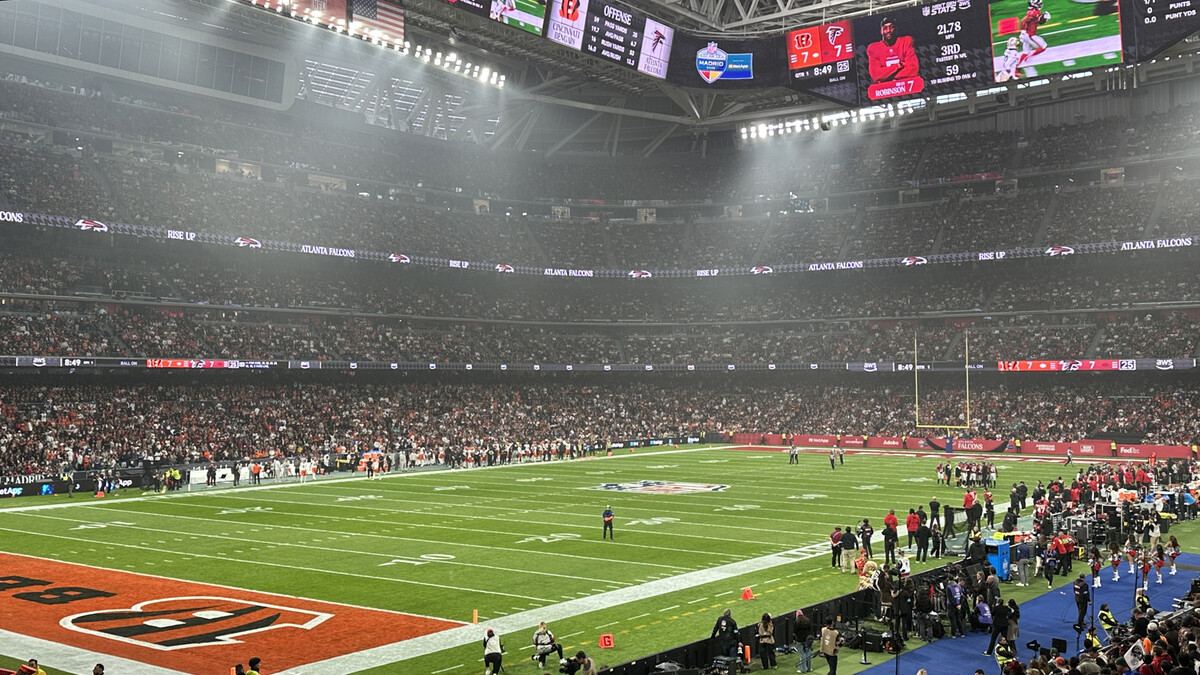
Small chips were placed in players' shoulder pads and the football itself, collecting data on movement, speed, and acceleration. This data is processed by AWS to produce Next Gen Stats, a set of advanced metrics that provide deeper insights into player performance and game dynamics.
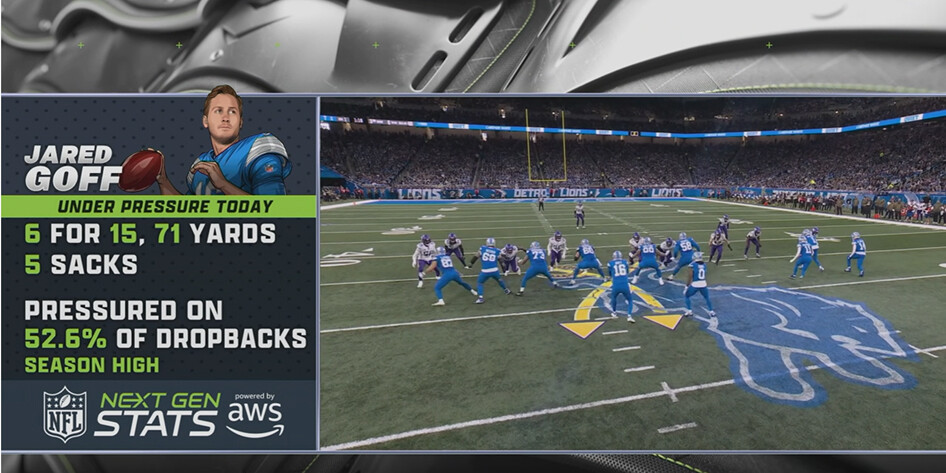
How the Chips Work
Each player wears two RFID chips in their shoulder pads, and the football contains a chip as well. These chips transmit data to receivers installed in the stadium, capturing every movement at a rate of 10 times per second. AWS then uses this data to calculate metrics like separation, expected yards, and completion probability.
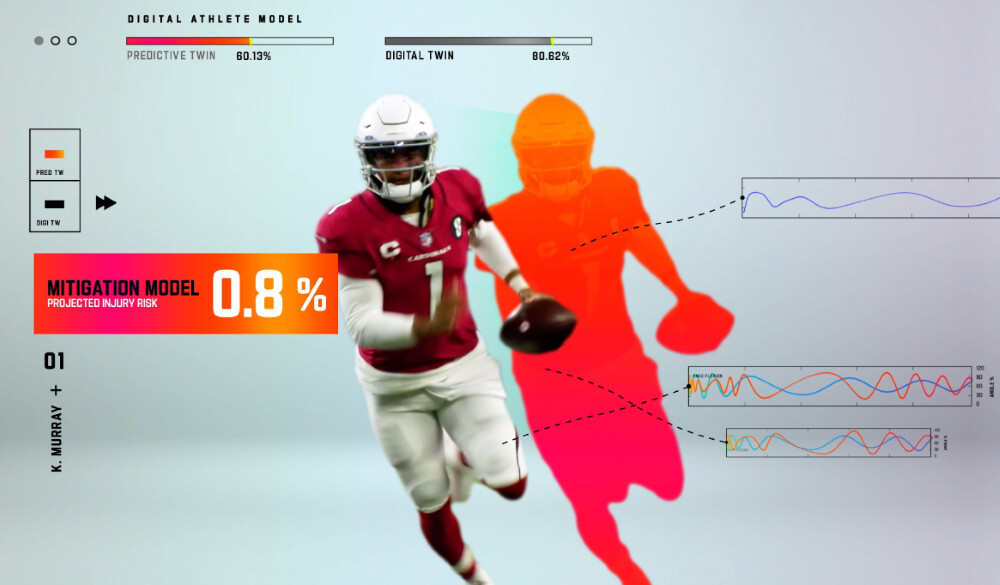
This technology not only enhances the viewing experience but also helps teams strategize and players avoid injuries. Coaches can use the data to make informed decisions during the game, while broadcasters use it to create engaging graphics for fans.
The Impact on the Game and Fans
The introduction of NGS has transformed the way fans, teams, and broadcasters interact with the sport. For fans, it provides a deeper understanding of the game, with real-time stats that explain why a play succeeded or failed. For teams, it offers a competitive edge by revealing patterns and tendencies that were previously invisible.
During the Madrid game, the AWS team demonstrated how NGS data is used in real-time. For example, a graphic showed the speed of a receiver at the moment of catch, or the distance a quarterback threw the ball. These insights are now a staple of NFL broadcasts, making the game more accessible and engaging.
- Enhanced viewer experience: Real-time stats and graphics help fans understand the game better.
- Strategic advantage: Teams use data to plan plays and exploit opponents' weaknesses.
- Injury prevention: Player tracking can identify fatigue or risky movements.
- Broadcast innovation: Networks use NGS to create compelling storytelling during games.
- Global expansion: Tech-driven experiences like the Madrid game help popularize the NFL worldwide.
The NFL's international series, like the one in Madrid, is part of a broader effort to grow the sport globally. By bringing advanced technology to these events, the league showcases its innovative side and attracts new fans.
The Business of Sports Tech
The partnership between the NFL and AWS is a prime example of how technology can drive business value in sports. AWS provides the infrastructure to process massive amounts of data, while the NFL gains a technological edge that enhances its product.
This collaboration also extends to other areas, such as the NFL's virtual reality training tools and its use of machine learning to predict player performance. The league is continuously exploring new ways to leverage AWS's services.
| Metric | Traditional Stats | Next Gen Stats |
|---|---|---|
| Data Source | Manual tracking | RFID chips and AWS |
| Update Frequency | Post-game | Real-time |
| Metrics | Yards, touchdowns | Separation, expected yards, etc. |
| Usage | Basic analysis | Strategy, broadcasting, fan engagement |
As sports become more data-driven, the line between video games and reality blurs. The NFL's use of NGS is a glimpse into the future of sports entertainment, where every play is analyzed and every fan is armed with insights.
The Future of Football and Data
The NFL's tech evolution is far from over. With the rise of AI and machine learning, we can expect even more sophisticated analytics in the future. Imagine real-time predictions of play outcomes or personalized stats delivered to your phone during a game. The background to this story is set out in The Guardian's Biggest World Cup Coverage: Global Reach Stats. A related thread runs through Eddie Howe Newcastle Stats: Highs, Lows, and Turnover. Earlier coverage in Eddie Howe Newcastle Stats: Highs and Lows Revealed shows how the argument developed.
For businesses, the NFL-AWS partnership demonstrates the power of cloud computing and data analytics in transforming traditional industries. It's a case study in how to leverage technology to enhance customer experience and create new revenue streams. A closer look at the same subject appears in Eddie Howe Newcastle Stats: Highs and Lows in Premier League. Anyone following the wider picture can start with Eddie Howe Newcastle Stats: Highs, Lows & Toon Turnover. The same theme surfaces in Rodent Monitoring Using Video Analytics And AI, which takes a different angle.
As the NFL continues to expand globally, its reliance on technology will only grow. The Madrid game was a testament to the league's commitment to innovation, and it's exciting to think about what's next. Context on how this played out before sits in Security camera with video analytics: is it worth it?. A companion piece, AI Video Interview Software With Detailed Analytics And Reporting Features, approaches the same subject from another angle.
FAQ
What are Next Gen Stats?
Next Gen Stats are advanced football metrics powered by AWS. They use data from RFID chips in player equipment and the football to provide real-time insights into player performance, such as speed, separation, and expected yards.
How do the chips in player uniforms work?
Each player wears two RFID chips in their shoulder pads that transmit data to receivers in the stadium. The chips track movement and send data 10 times per second to AWS for processing.
Why did the NFL partner with AWS?
The NFL partnered with AWS to leverage cloud computing and data analytics to enhance the game. AWS provides the infrastructure to process large amounts of data, enabling Next Gen Stats and other innovative technologies.
How do Next Gen Stats benefit fans?
Next Gen Stats provide fans with deeper insights into the game, making it more engaging and understandable. Broadcasters use the data to create graphics that explain plays and highlight player performance in real-time.
Browse the Shop
 Acacia frida deluxe solid wood bed frame |
Bedroom bench |
Bed chest drawers |
Lingerie dresser |
Frame base |
Mirror with jewelry storage |
30 Bathroom Vanity |
Memory foam queen mattress |
Mattresses for back pain |
Nightstand set of 2 |
Grand Goldman Shop |
Civil Lawyer
Deutschland Trikot WM 2026







