

The Basque Y high-speed rail project has left a station in a 600-person town without a single train, and connecting it to the network will cost €1.7 billion. This is the story of a megaproject that has been under construction for over two decades and still has no clear completion date.
What Is the Basque Y High-Speed Rail Project?
The Basque Y is a high-speed rail project designed to connect the three provincial capitals of the Basque Country: San Sebastián, Vitoria, and Bilbao. The plan calls for a line from San Sebastián that splits into two branches, one to Vitoria and one to Bilbao, forming a Y shape.
Find Original, High-end Home Decor that spark conversation at Grand Goldman Shop.
In theory, this would link Bilbao to France via San Sebastián and Irún, and connect Vitoria to Madrid through the Burgos line. The goal is to integrate the Basque region into Spain's high-speed network.
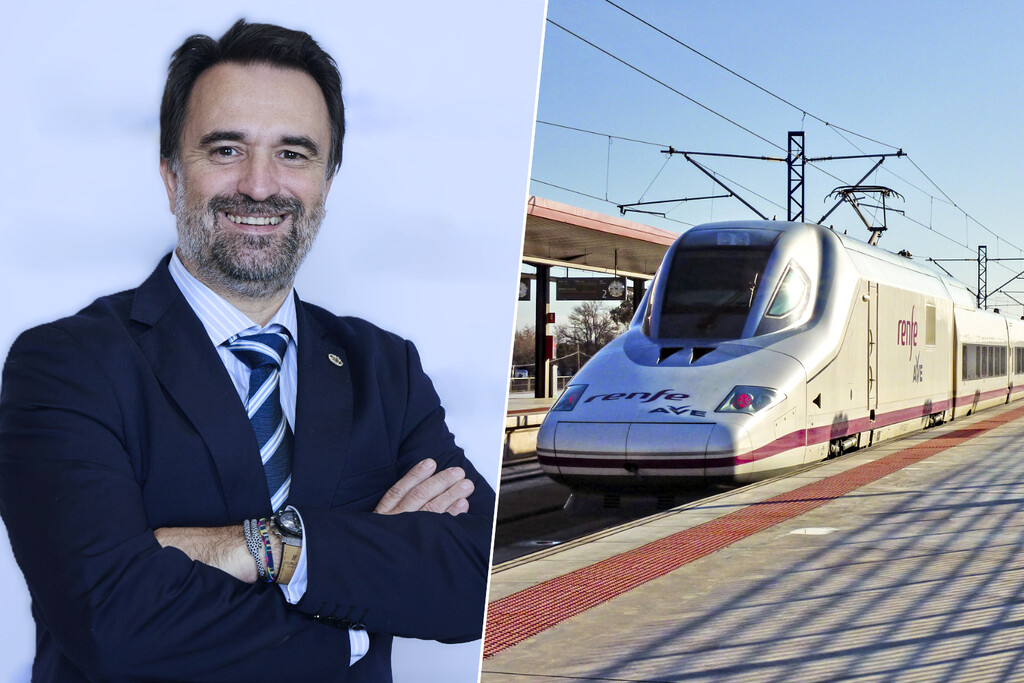
Two Decades of Construction with No End in Sight
Machines first broke ground more than 20 years ago. Today, the project remains a promise rather than a reality. Key details, including how to connect the new line to existing infrastructure, are still unresolved.
One of the most striking symbols of the project's troubles is a station built next to a town of just 600 inhabitants. Tens of millions of euros have been spent on the station, yet not a single train has passed through it. The station risks becoming a ghost infrastructure.
Why the Station Remains Empty
The station was built as part of the Basque Y, but the surrounding rail connections are incomplete. Without those links, the station cannot be served by trains. The cost to connect it to the network is estimated at €1.7 billion.
This situation raises questions about planning and prioritization. Building stations before the tracks are ready can lead to wasted resources and stranded assets. Local residents see a modern facility that serves no purpose.
Key Challenges Facing the Basque Y
- Unresolved connections: The link to the existing network, especially around Irún and the French border, remains undefined.
- Cost overruns: The €1.7 billion needed just to connect the empty station highlights the financial scale of the remaining work.
- Delays: More than 20 years after construction began, no completion date is in sight.
- Political and technical hurdles: Coordination between national, regional, and local governments adds complexity.
- Stranded infrastructure: Stations like the one in the 600-person town are at risk of never seeing service.
What the Basque Y Means for Spain's High-Speed Ambitions
Spain has one of the most extensive high-speed rail networks in Europe. The Basque Y is meant to close the gap in the north and connect the region to France. However, the project's delays and cost issues could tarnish the country's reputation for delivering large infrastructure.
Other regions are watching closely. If the Basque Y continues to stall, it may prompt a reevaluation of how such projects are planned and funded. The empty station is a cautionary tale for building ahead of demand. The background to this story is set out in Spain's Basque Y High-Speed Rail: Seven Viaducts in Seven Kilometers. A related thread runs through Spain's High-Speed Rail Reliability Crisis: What the AVE Fire Reveals. Earlier coverage in High-Speed Rail Revolution: Why Britain Lags Behind Global shows how the argument developed.
Comparison: Basque Y vs. Other High-Speed Rail Projects
| Project | Status | Key Challenge | Estimated Cost |
|---|---|---|---|
| Basque Y | Under construction (20+ years) | Unresolved network connections | €1.7 billion for station link alone |
| Madrid-Barcelona AVE | Operational since 2008 | Completed on time | ~€9 billion |
| Madrid-Seville AVE | Operational since 1992 | None (pioneering project) | ~€5.5 billion |
| HS2 (UK) | Under construction | Cost overruns, scope changes | £100+ billion |
What to Watch Next
Decisions on the final connections and funding will determine whether the Basque Y becomes a functional high-speed line or a monument to unfinished ambitions. The empty station in the small town is a reminder of the human and financial cost of delays. A closer look at the same subject appears in High-Speed Rail Revolution: How Dynamic Countries Lead the Way. Anyone following the wider picture can start with Adif's Official Map: All Railway Infrastructure Works in Spain. The same theme surfaces in UK's £150bn Energy Grid Megaproject to Protect Britain, which takes a different angle.
For now, residents of the 600-person town can only wait and wonder if a train will ever stop at their station. The Basque Y's future hinges on political will and technical solutions that have so far proven elusive. Context on how this played out before sits in Shark PowerDetect Speed Clean and Empty Pet Pro Review:. A companion piece, Astrotourism in Empty Spain: Stargazing and Wildlife Adventures, approaches the same subject from another angle.
FAQ
What is the Basque Y high-speed rail project?
What is the Basque Y high-speed rail project?
The Basque Y is a high-speed rail project in Spain that aims to connect San Sebastián, Vitoria, and Bilbao with a Y-shaped network. It is intended to link the Basque Country to France and Madrid, but it has been under construction for over 20 years and remains incomplete.
Why does a 600-person town have a high-speed rail station with no trains?
The station was built as part of the Basque Y project, but the necessary rail connections to the network are not finished. Without those links, no trains can serve the station, and connecting it would cost an estimated €1.7 billion.
How much will it cost to connect the empty station to the rail network?
Connecting the station to the high-speed network is estimated to cost €1.7 billion. This includes the infrastructure needed to link the station to the main line and integrate it with existing services.
When will the Basque Y be completed?
There is no confirmed completion date. More than two decades after construction began, key connections and funding decisions remain unresolved, leaving the project's future uncertain.
Browse the Shop
 Acacia frida deluxe solid wood bed frame |
Bedroom bench |
Bed chest drawers |
Lingerie dresser |
Frame base |
Mirror with jewelry storage |
30 Bathroom Vanity |
Memory foam queen mattress |
Mattresses for back pain |
Nightstand set of 2 |
Grand Goldman Shop |
Civil Lawyer
Deutschland Trikot WM 2026







