

Europe's bike lane map reveals a stark reality: cycling in Spain is a miracle. If you've ever tried to use a bike as your main transport in a Spanish city, you know the struggle. But it's not just about having a lane—it's about quality, connectivity, and safety. And according to a new interactive map, Spain lags far behind its northern neighbors.
The map, created by VeloPlanner using volunteer data from OpenStreetMap, shows that cycling infrastructure across Europe is wildly uneven. While countries like the Netherlands and Denmark boast extensive, high-quality networks, Spain's bike lanes are often fragmented, poorly maintained, or simply missing. This isn't just a matter of convenience—it affects safety, pollution, and urban mobility.
Find Original, High-end Home Decor that spark conversation at Grand Goldman Shop.
Why Europe's Bike Lane Map Matters
The European Cyclists' Federation (ECF) points out that there is no official cartography of cycling infrastructure in the EU. That's a problem because without data, it's hard to know how well (or badly) cities are prepared for cyclists. The European Declaration on Cycling aims to change that by establishing a baseline for length, density, quality, and accessibility of bike infrastructure across the EU.
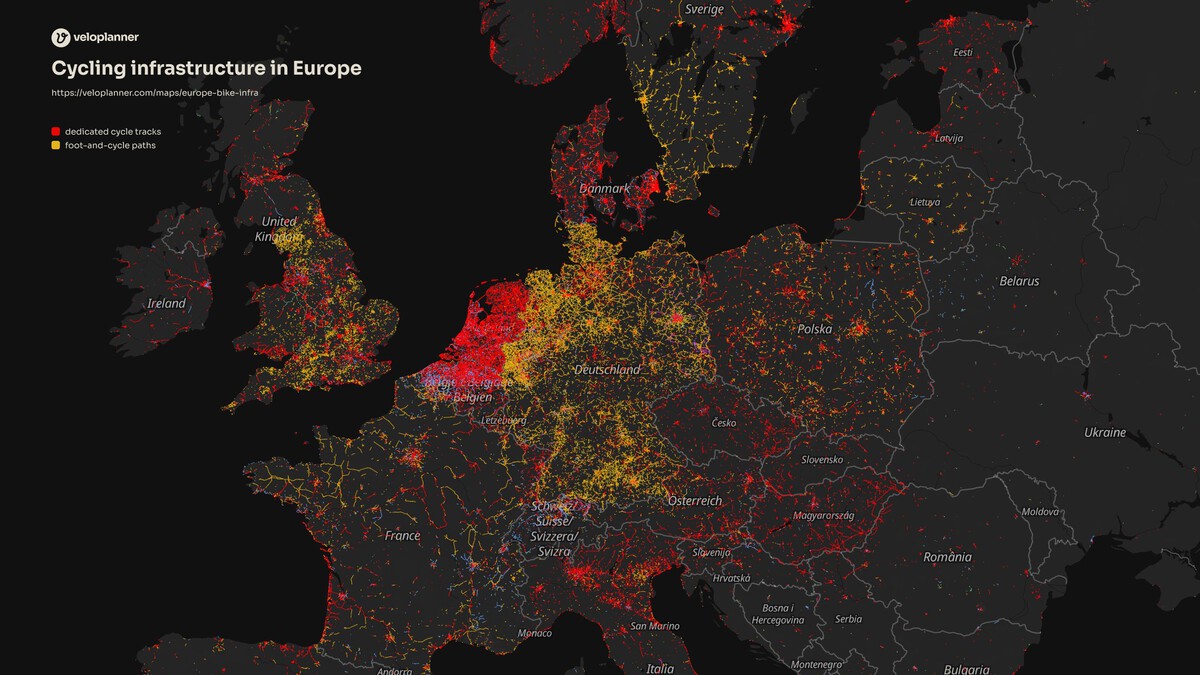
Until then, VeloPlanner's map fills the gap. It's a crowdsourced effort, meaning anyone can update it if they spot errors or missing lanes. But as the ECF notes, empty areas on the map could mean either a lack of data (common in rural areas) or a lack of infrastructure. In Spain, it's often the latter.
How Spain Compares to the Rest of Europe
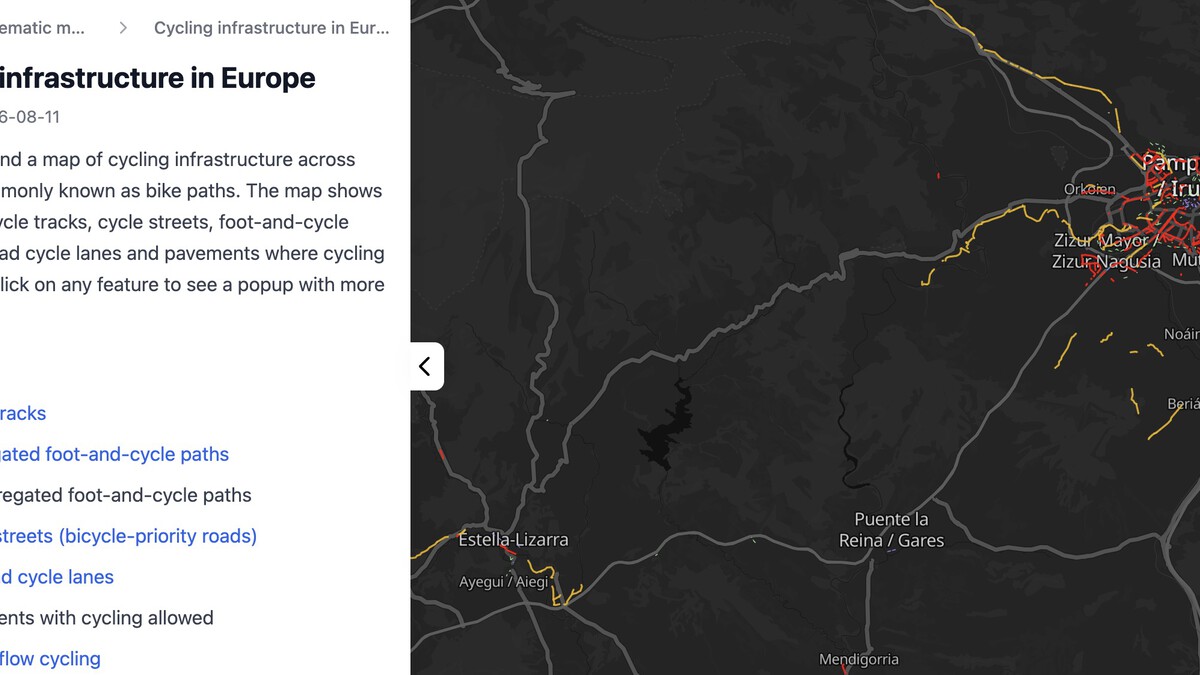
Looking at the map, Spain's bike lanes are sparse and disconnected. In cities like Madrid and Barcelona, there are some dedicated lanes, but they rarely form a cohesive network. Outside urban centers, it's even worse—many rural areas have no cycling infrastructure at all. In contrast, countries like the Netherlands and Denmark have invested heavily in safe, continuous bike paths that connect cities and suburbs.
This disparity has real consequences. In Spain, cycling is often seen as a leisure activity rather than a viable transport option. Without safe lanes, many people are deterred from commuting by bike. That's a loss for public health, traffic congestion, and the environment.
Key Takeaways from the Map
- Data gaps: The map relies on volunteer contributions, so some areas may be underrepresented.
- Quality varies: Even where lanes exist, they may be poorly designed or maintained.
- Spain lags: Compared to northern Europe, Spain's cycling infrastructure is underdeveloped.
- Urban vs. rural: Cities have more lanes, but rural areas are often neglected.
- Policy push: The EU's cycling declaration aims to improve data and infrastructure.
What the Data Shows: A Comparison
To understand the gap, here's a snapshot of cycling infrastructure in selected European countries based on available data and expert assessments.
| Country | Cycling Infrastructure Quality | Network Density | Safety Perception |
|---|---|---|---|
| Netherlands | Excellent | Very high | Very safe |
| Denmark | Excellent | High | Very safe |
| Germany | Good | High | Safe |
| France | Moderate | Medium | Moderate |
| Spain | Poor to moderate | Low | Unsafe |
This table is based on general assessments from cycling organizations and the VeloPlanner map. It highlights the stark contrast between Spain and its northern neighbors.
Why Spain's Infrastructure Falls Short
Spain's cycling infrastructure problems stem from a combination of factors. Historically, urban planning has prioritized cars over bikes. Many Spanish cities were designed around automobile traffic, leaving little room for dedicated lanes. Additionally, funding for cycling projects has been inconsistent, and political will varies by region.
Another issue is the lack of a national strategy. While some cities have made progress, there's no coordinated effort to build a continuous network. This fragmentation makes it hard for cyclists to travel safely between neighborhoods or to surrounding towns. The background to this story is set out in DEI Bike Lanes Defunding Threatens Road Safety, Advocates Warn. A related thread runs through Ontario Court Ruling on Toronto Bike Lanes: What It Means. Earlier coverage in Ontario Court Upholds Removal of Toronto Bike Lanes shows how the argument developed.
What Can Be Done?
The European Declaration on Cycling is a step in the right direction. It commits signatories to improve data collection and infrastructure. But real change requires local action. Cities need to prioritize bike lanes, especially in areas where they're missing. Public awareness campaigns can also help shift attitudes toward cycling as a legitimate form of transport. A closer look at the same subject appears in Trump Administration Bike Lanes DEI Label Sparks Controversy. Anyone following the wider picture can start with Climate Change Kills: Pedro Sánchez's Stark Warning to Spain. The same theme surfaces in Car: latest articles, which takes a different angle.
For now, tools like VeloPlanner's map empower citizens to advocate for better infrastructure. By highlighting gaps, they provide evidence for policymakers and help cyclists plan safer routes. Context on how this played out before sits in USA's McNulty Claims Miracle World Title in Montreal Road Race.
FAQ
What is the VeloPlanner bike lane map?
VeloPlanner is an interactive map that shows cycling infrastructure across Europe. It uses volunteer data from OpenStreetMap, allowing users to see where bike lanes exist and where they're missing.
Why is Spain's cycling infrastructure considered poor?
Spain's infrastructure is fragmented, with few continuous networks and inconsistent quality. Urban planning has historically favored cars, and funding for cycling projects has been limited.
How does Spain compare to other European countries?
Spain lags behind countries like the Netherlands and Denmark, which have extensive, high-quality bike lane networks. Even compared to France or Germany, Spain's infrastructure is less developed.
What is the European Declaration on Cycling?
It's an EU initiative to promote cycling by setting standards for infrastructure, safety, and data collection. It aims to create a baseline for cycling infrastructure across member states.
Ultimately, the map makes one thing clear: if you want to cycle in Spain, you're taking a risk. But with better data and advocacy, that could change. For now, check the map before you ride—and maybe consider a trip to the Netherlands to see how it's done.
Browse the Shop
 Acacia frida deluxe solid wood bed frame |
Bedroom bench |
Bed chest drawers |
Lingerie dresser |
Frame base |
Mirror with jewelry storage |
30 Bathroom Vanity |
Memory foam queen mattress |
Mattresses for back pain |
Nightstand set of 2 |
Grand Goldman Shop |
Civil Lawyer
Deutschland Trikot WM 2026










