

The oil price surge has caught everyone off guard, including gas station owners who are struggling to keep up with the rapid increases. Since the conflict between the US, Israel, and Iran officially began on February 28, energy markets have reacted sharply, with Brent crude rising about 50% in just two weeks according to EIA data.
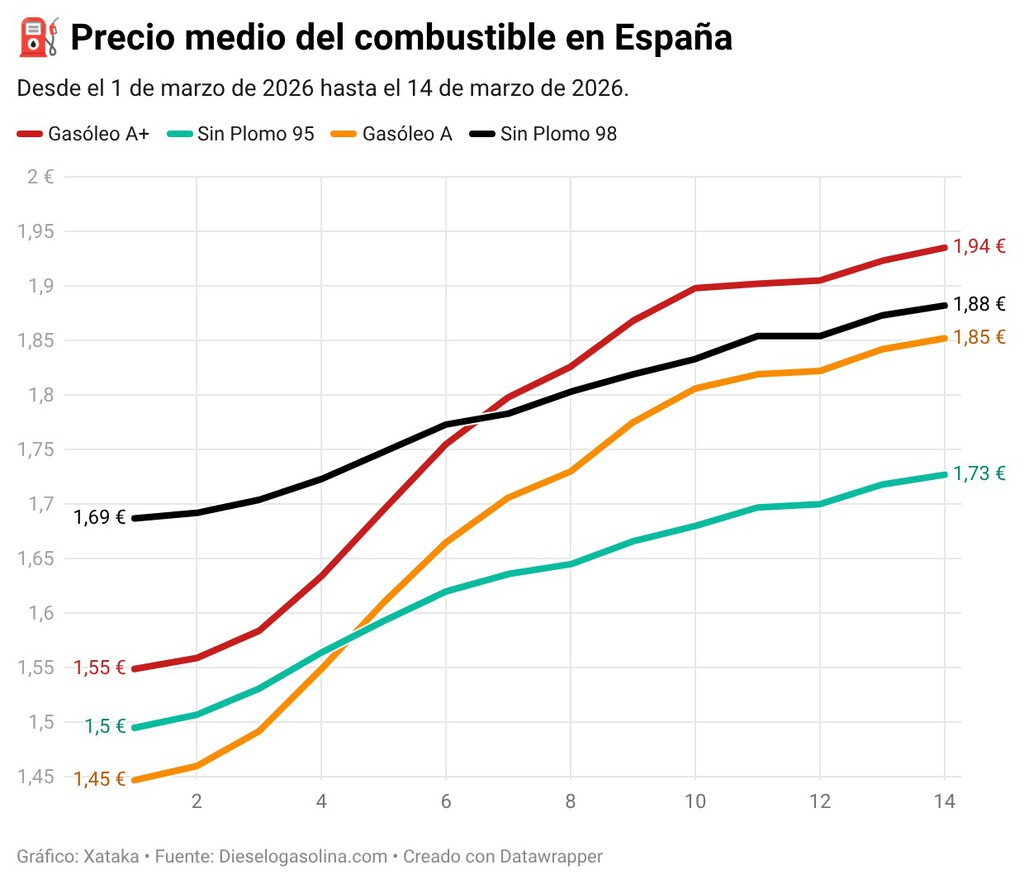
In Spain, fuel prices have followed suit. At the end of February, the average price for 95-octane gasoline was €1.493 per liter and diesel was €1.548 per liter. By March, those prices had climbed steadily to €1.727 and €1.935 respectively, according to data from the Ministry for Ecological Transition compiled by Dieselogasolina.
Find Original Home Decor sparking conversation at Grand Goldman Shop.

Why the Oil Price Surge Is Hitting So Hard
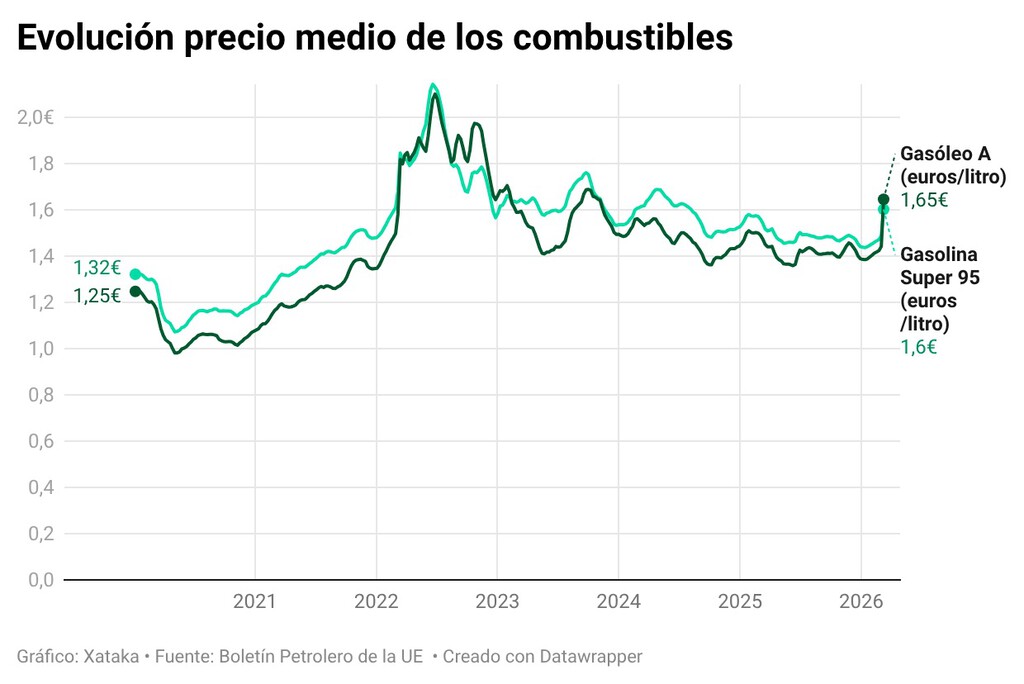
The current oil price surge is driven by a perfect storm of geopolitical factors. The conflict in the Middle East has expanded, and the Strait of Hormuz—a chokepoint through which about 20% of global oil production passes—is now effectively blocked. This disruption has sent shockwaves through energy markets, pushing prices to levels not seen since the Russian invasion of Ukraine in March 2022.
For gas station owners, the situation is particularly frustrating. They operate on thin margins and must adjust prices frequently to reflect wholesale costs. Many feel they are being unfairly blamed for the increases. As one station owner put it, “We feel cheated.” The rapid rise has also led to long lines at some stations as drivers rush to fill up before prices go even higher.
How High Can Fuel Prices Go?
With Brent crude still climbing, analysts warn that €2 per liter at the pump is now a real possibility. The oil price surge has already pushed Spanish fuel prices to their highest level in over two years. According to EU weekly bulletin data, you would have to go back to March 2022 to find a similar spike.
Consumers are feeling the pinch, and businesses that rely on transportation are bracing for higher operating costs. The government has so far not announced any measures to cushion the blow, but pressure is mounting for intervention.
What This Means for Drivers and the Economy
Higher fuel prices act as a tax on the economy, reducing disposable income and driving up costs for goods and services. For the average driver, filling up the tank now costs significantly more than it did just weeks ago. This could lead to reduced travel and spending in other areas.
Gas station owners are also caught in the middle. They must pass on the higher costs to consumers, but they risk losing customers if prices get too high. Some are absorbing part of the increase to stay competitive, but that is not sustainable in the long run.
Key Takeaways for Consumers
- Oil prices have surged 50% since the conflict began on February 28, driving up fuel costs.
- Spanish gasoline and diesel prices have risen by about 15% and 25% respectively in just a few weeks.
- The Strait of Hormuz blockade is a major factor, affecting 20% of global oil supply.
- Prices could reach €2 per liter, putting further strain on household budgets.
- Gas station owners are struggling with thin margins and public frustration.
Comparing Fuel Prices: Then and Now
The table below shows how fuel prices have changed in Spain from late February to mid-March.
| Fuel Type | Price on Feb 28 (€/l) | Price on Mar 15 (€/l) | Increase (%) |
|---|---|---|---|
| Gasoline 95 | 1.493 | 1.727 | 15.7% |
| Diesel A+ | 1.548 | 1.935 | 25.0% |
These figures underscore the speed and magnitude of the oil price surge. For consumers, it means higher costs for commuting, travel, and goods transportation. For station owners, it means navigating a volatile market while trying to maintain customer loyalty. The background to this story is set out in US Gas Prices Rise as Iran Tensions Drive Fuel Costs. A related thread runs through Equinor Profits Double to $11.5bn Amid Oil Price Surge. Earlier coverage in Iran Strikes Tankers in Hormuz Strait: Oil Prices Surge shows how the argument developed.
What to Watch Next
All eyes are on the Middle East and the Strait of Hormuz. If the blockade continues or escalates, oil prices could climb even higher. Diplomatic efforts to resolve the conflict are ongoing, but no breakthrough has been announced. Meanwhile, the EU and national governments may consider measures such as fuel tax cuts or subsidies to ease the burden on consumers. A closer look at the same subject appears in Strait of Hormuz Attacks Spark Cargo Scramble and Oil Price Surge. Anyone following the wider picture can start with August Vacation Gas Prices Soar: What Drivers Need to Know. The same theme surfaces in European Gas Prices Surge Amid US-Iran War Fears, which takes a different angle.
For now, drivers should brace for continued volatility at the pump. Gas station owners, too, are hoping for a swift resolution to the conflict that has upended their business. Context on how this played out before sits in European Gas Prices Surge as US-Iran War Threatens Winter. A companion piece, Trump Threatens Massive Attack on Iran – Oil Prices Surge, approaches the same subject from another angle.
FAQ
Why have oil prices risen so much?
The conflict between the US, Israel, and Iran has disrupted global oil supplies, particularly through the blockade of the Strait of Hormuz, which handles about 20% of the world's oil. This has caused a sharp increase in Brent crude prices.
How much have fuel prices increased in Spain?
Since late February, gasoline 95 has risen from €1.493 to €1.727 per liter (about 15.7%), and diesel A+ has risen from €1.548 to €1.935 per liter (about 25%).
Will fuel prices reach €2 per liter?
It's possible if the conflict continues and oil prices keep climbing. Analysts are warning that €2 per liter is on the horizon if the situation doesn't improve.
How do gas station owners feel about the situation?
Many feel frustrated and even cheated, as they are forced to raise prices due to wholesale costs but face public backlash. Their margins are thin, and they are caught in the middle of a geopolitical crisis.
Browse the Shop
 Acacia frida deluxe solid wood bed frame |
Bedroom bench |
Bed chest drawers |
Lingerie dresser |
Frame base |
Mirror with jewelry storage |
30 Bathroom Vanity |
Memory foam queen mattress |
Mattresses for back pain |
Nightstand set of 2 |
Grand Goldman Shop |
Civil Lawyer
Deutschland Trikot WM 2026







